Cat tips: 10 things every cat owner should know
1. Absolutely no Lilies
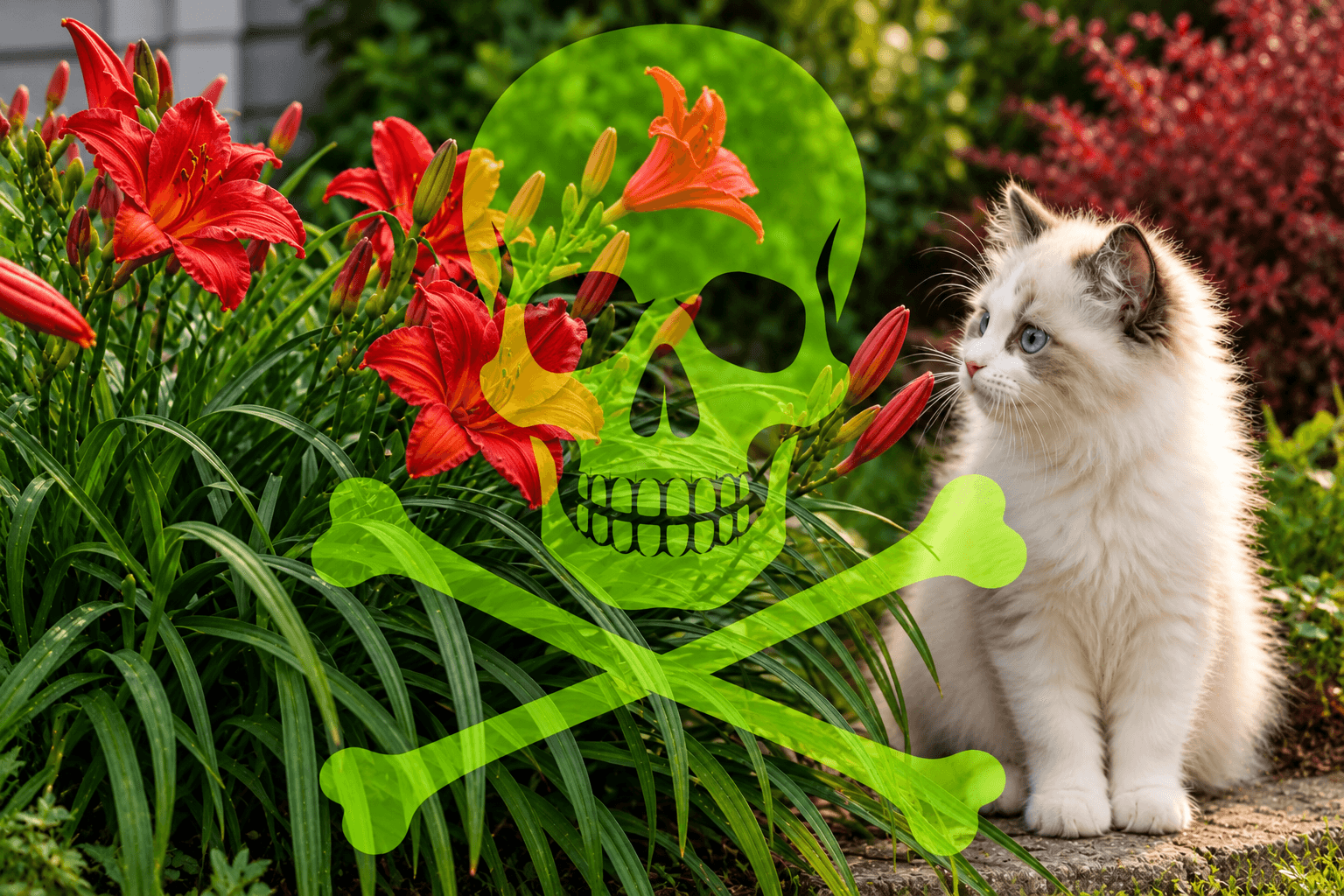
The whole lily plant is fatally toxic to cats, including the water in the vase. Eating a bit of a leaf or petal, licking pollen off their fur, or drinking the vase water can cause irreversible kidney failure in less than 3 days. The FDA names Easter, Asiatic, Oriental, Japanese show lilies and daylilies as the most dangerous. If your cat touches one, call your vet right away; treatment that starts late often can't save the kidneys.
2. Never give a cat human pain medicine
Cats can't break down acetaminophen (Tylenol) the way people and dogs can, so it poisons them at much smaller doses, VCA says. Signs can start within 1 to 4 hours and include a swollen face, trouble breathing and brown or blue gums. Treat it as an emergency and get them to a vet asap.
3. Never use a dog's flea treatment on a cat
Many dog spot on flea products contain permethrin, and their EPA approved labels say not to use them on cats because they can be toxic and even fatal. Cats can also be exposed by grooming or cuddling a dog that was just treated, so keep them apart until the product dries, and check the label every time.
4. Don't use essential oils on cats, nor in diffusers around them
ASPCA lists lemon as toxic to cats too. Pet Poison Helpline says cats lack a liver enzyme they need to clear essential oils, and lists citrus, tea tree, peppermint, eucalyptus, cinnamon, clove, pine and wintergreen oils among those known to poison cats. Never put essential oils on a cat, and be careful with diffusers, which can irritate their breathing.
5. Skip strings, ribbons, tinsels and dental floss
A cat that swallows something long and thin can end up with it caught in the mouth or stomach while the rest pulls the intestines into a bunch, VCA explains. It can tear the gut, and it usually needs surgery. Vomiting, not eating and hiding are the common signs.
6. A male cat straining to pee is an emergency
If a male cat keeps squatting in the litter box with little or nothing coming out, he may be blocked. The University of Illinois vet school calls it a true emergency: a blocked cat can die of kidney failure within 2 to 3 days. Go to an emergency vet, even in the middle of the night.
7. Onions and garlic are worse for cats than dogs
ASPCA says onions, garlic and chives can damage red blood cells and lead to anemia, and that cats are more susceptible than dogs. If you're sharing any food with your cat, make sure there's no garlic or onion in it.
8. Have enough litter boxes
A common rule of thumb is one litter box per cat, plus one extra, so two cats get three boxes. Put them where a cat can get in and out without being cornered.
9. Microchip indoor cats too
In the same JAVMA study of more than 7,700 strays, microchipped cats got home 38.5% of the time. Cats without a chip got home 1.8% of the time. Indoor cats slip out, so chip them and keep the registry details current.
10. Ask about heartworm prevention
The American Heartworm Society recommends year round heartworm prevention for cats as well as dogs. Ask your vet what fits your cat and make sure to read package inserts to be well informed about the risks of what you're giving your cat.
Save these numbers now
- ASPCA Animal Poison Control Center: (888) 426-4435 (a fee may apply)
- Pet Poison Helpline: (855) 764-7661 (a fee applies)
- It helps to be safe than sorry.
Pet Poison Helpline says never to make a cat throw up at home. Call first.
Sources: FDA, Lilies are toxic to cats · VCA, Acetaminophen Poisoning in Cats · EPA, permethrin dog product label · ASPCA, Lemon · Pet Poison Helpline, Essential Oils and Cats · VCA, Linear Foreign Body in Cats · University of Illinois, Blocked Cats · ASPCA, People Foods to Avoid Feeding Your Pets · JAVMA News, Check the chip · American Heartworm Society