How to choose and care for your pet bird
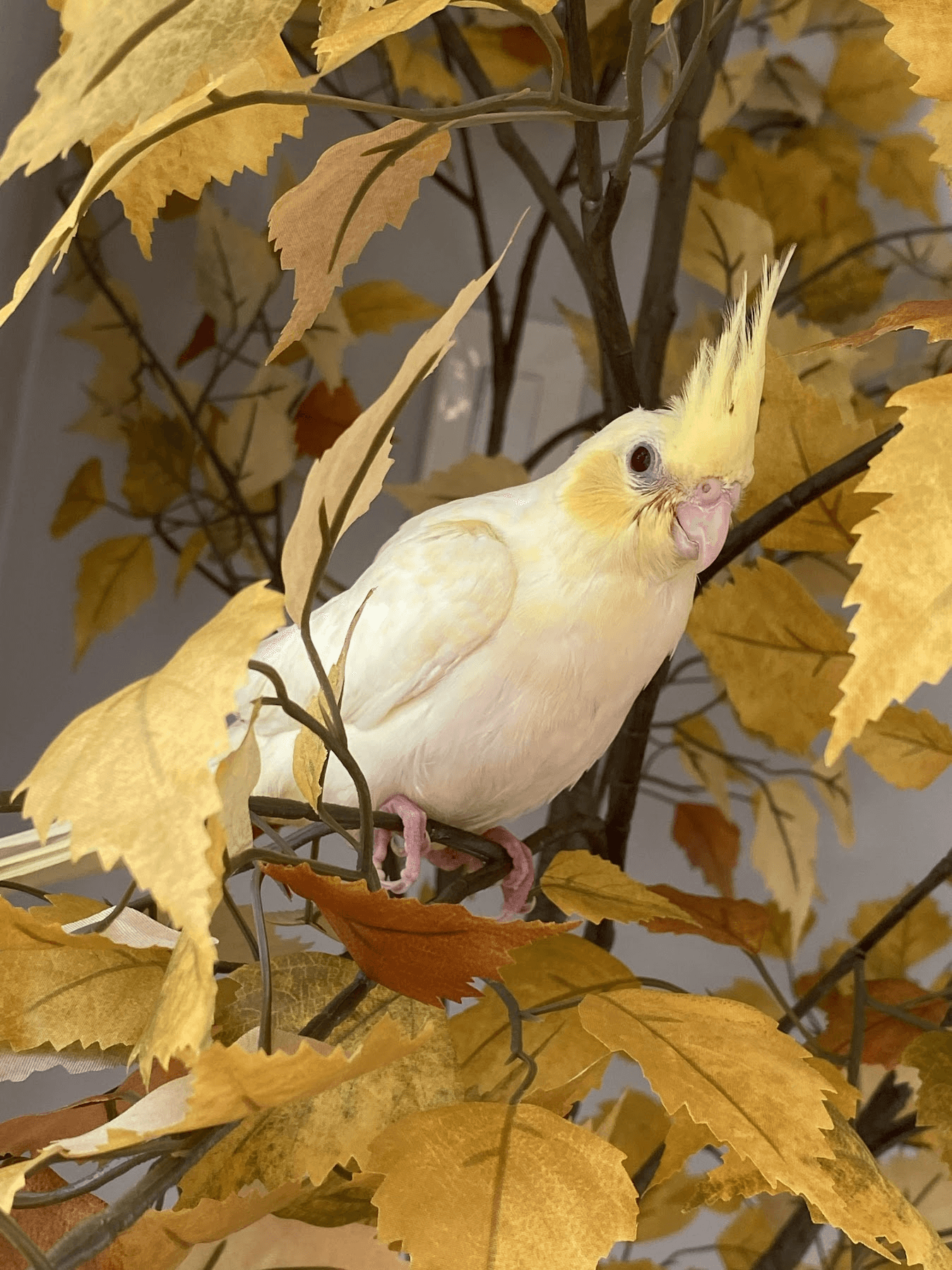
Choosing a bird is less about which one is most beautiful or the best talker, and more about which one fits your lifestyle. From their noise level, to messiness, how long they live and how much company they need. A budgie can live ten years. A macaw can outlive the person who buys it.
Every bird below has a difficulty rating from one to five and a link to its quick facts in our knowledge base, where you will find its size, lifespan, noise level, the cage it needs and more. Read those before you choose.
The best first birds
Small, friendly and forgiving of a beginner's mistakes. Most people who keep birds started with one of these two.
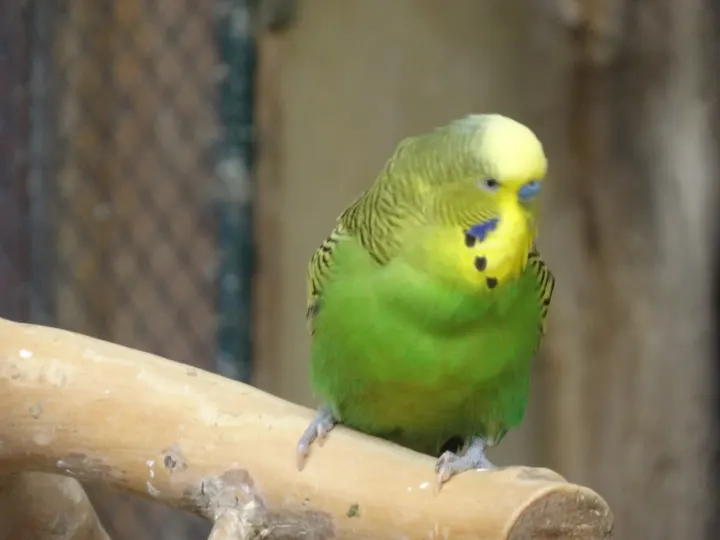
Budgies – Budgies quick facts
Difficulty: 1 of 5, easiest
Social, chatty and always busy. Budgies live in big flocks in the wild, so a single bird in a quiet house is missing company. Keep two, or plan on daily time together. They talk more than people expect, in a fast quiet voice, and males chatter more than females. Look out for their cere, blue usually means male.
Care. Low daily effort. A pellet base with vegetables, and millet as a treat rather than the main meal, because budgies fed only seed are prone to fatty liver disease. Fresh water every day. They can eat fresh fruit and veggies, and even mealworms.
What you need on day one. A cage of at least 30 by 18 by 18 inches for a pair, wider rather than taller, with perches of different textures and thickness. Keep it out of the kitchen: fumes from overheated nonstick pans kill budgies. A baby: make sure it is fully weaned and eating on its own before it comes home, and ask the seller what it eats so you can start on the same food. An adult: give it a few quiet days to settle before you start handling it.
Taming. Sit by the cage and talk to it, then offer millet from your hand. Once it eats from your hand, teach it to step onto a finger in short sessions every day. A hand raised budgie that gets daily attention becomes extremely tame and affectionate.
- Lifespan: 5 to 10 years
- Noise: Low
- Minimum cage: 30 by 18 by 18 in for a pair
Cockatiel – Cockatiel quick facts
Difficulty: 2 of 5, easy
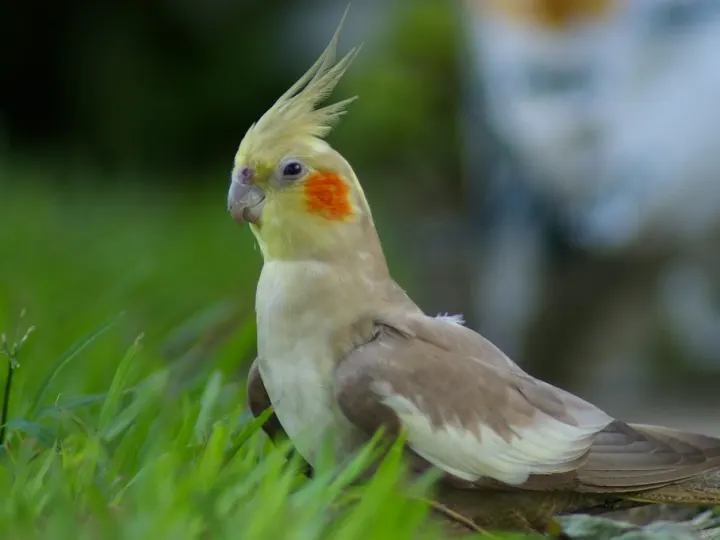
Friendly, affectionate and happiest in the same room as you. They love to be in the most chattiest room in the house, even the ones that aren't tame. Males whistle and learn tunes, and a hand raised cockatiel will sit on your shoulder while you work. Cockatiels can even learn tricks and can have a harness put on them and go outside with you, so long as it's not chilly. They call loudly when you leave the room, or if they're spooked by something. That is a flock call, and it settles once the bird trusts you will come back or they feel comfortable again.
Care. A little more than a budgie. Cockatiels are dusty: they shed a fine white powder, so an air purifier near the cage matters if anyone in the house has asthma. Pellets with vegetables and fruit, and at minimum an hour out of the cage every day, though they will be fine in the cage all day if you leave, just give them plenty of toys and spray millet.
What you need on day one. The widest cage you can fit, at least 24 by 18 by 24 inches, with bars under 5/8 of an inch apart. Most cockatiel injuries happen in the first month from night fright, so a night light would prevent a lot of injuries. Growing pin feathers can be broken when your cockatiel is frightened and thrashing around their cage or room, and those pin feathers contain live veins and arteries running through their shaft. Breaking it causes them to bleed heavily, so it would need to be pinched and a blood clotting powder should be put on it when you can calm your frightened friend down. Females might lay eggs, even without a male around, so be sure to give her a cuttlefish bone or calcium powder in her diet so she doesn't end up egg bound. If you notice your female is egg bound, emergency care if needed. You can either sit her in warm water, even if she fights you, but do not try to squeeze or push the egg out yourself. The warm water should help her loosen up to push the egg out herself. She may push the egg out herself later after this, or you can take her to an emergency vet if the egg hasn't passed, but this is a time sensitive matter that is fatal if she is egg-bound, which is why calcium in their diet is a must. a cuttlefish bone somewhere in their cage is highly recommended.
A baby: choose one that was hand raised and is fully weaned for ease of mind. Alternatively, the seller can demonstrate how to hand feed and you can learn to hand feed your baby 'tiel yourself. You'll need a clean syringe daily, and two ounces of baby bird formula, relatively warm water on the hotter side. A small bowl of water to dip your fingers in to clean their beak after the feeding is done. Breeders typically use Exact hand feeding formula which is typically found at a bird store or amazon. Hand feeding yourself can either be daunting or fun and build a closer attachment to your new cockatiel. An adult: one that was not handled as a baby can stay nervous for life, so ask about its history and expect to go very slow with taming it, a lot of patience and care is needed for a skittish bird.
Taming. Put the cage in the living room or small room, not a hallway. Talk to it, offer treats from your hand, and practice stepping up in short daily sessions. Patience matters more than technique. They like music and a bit of banter if you're a chatter horse. Even the ones that aren't tame, feel more comfortable and relax more when they're in a room with a lot of people talking. Recommended they have toys and another cockatiel friend to play with.
- Lifespan: 15 to 20 years
- Noise: Moderate
- Minimum cage: 24 by 18 by 24 in
Easy birds to enjoy by watching
Beautiful, calm and low maintenance. These birds are for looking at and listening to, not for handling.
Canaries – Canaries quick facts
Difficulty: 1 of 5, easiest
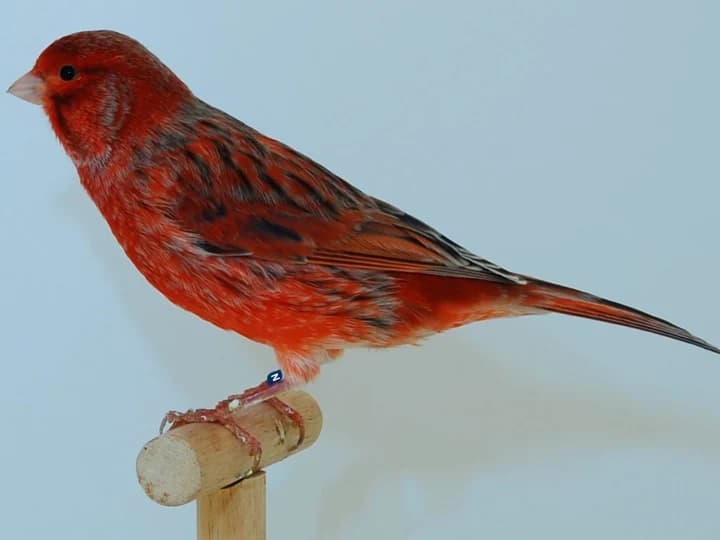
Kept for song, not for handling: a canary does not want to sit on your finger. Only the males sing, so a canary bought for its song has to be a male. Males tend to be territorial and may fight each other, so keep them in separate cages. A good seed mix with greens works well. Additionally, egg food during the yearly molt for the calcium, when the singing stops for a few weeks and then comes back. Use a wide cage, at least 24 by 16 by 18 inches, kept away from drafts and fumes.
- Lifespan: 10 to 15 years
- Noise: Low
- Minimum cage: 24 by 16 by 18 in
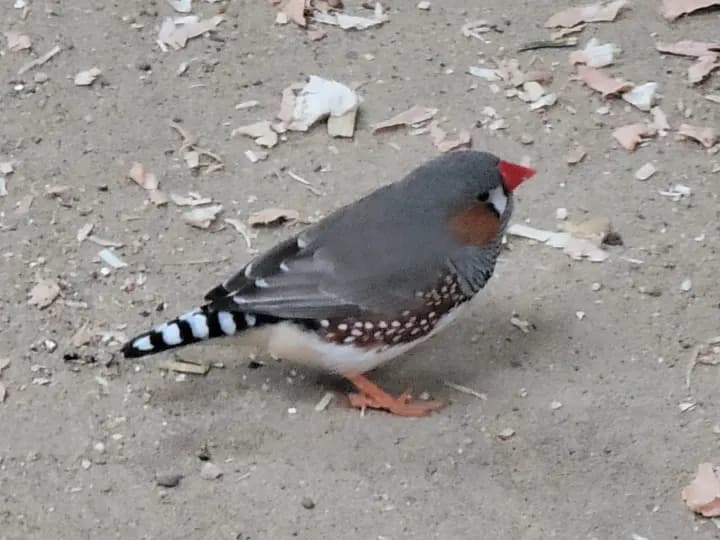
Zebra Finch – Zebra Finch quick facts
Difficulty: 1 of 5, easiest
Cheerful, talkative and not interested in people too much. Zebra finches must be kept at least in pairs, and they are hardy and easy, which makes them a reasonable first bird. A finch seed mix with greens, cuttlebone and grit covers most of their needs. They breed at the slightest chance, so skip on the nesting box unless you want chicks. Like all small birds they hide illness well, so check on them daily.
- Lifespan: 5 to 7 years
- Noise: Low
- Minimum cage: 30 by 18 by 18 in for a pair
Bourke's Parakeet – Bourke's parakeet quick facts
Difficulty: 2 of 5, easy
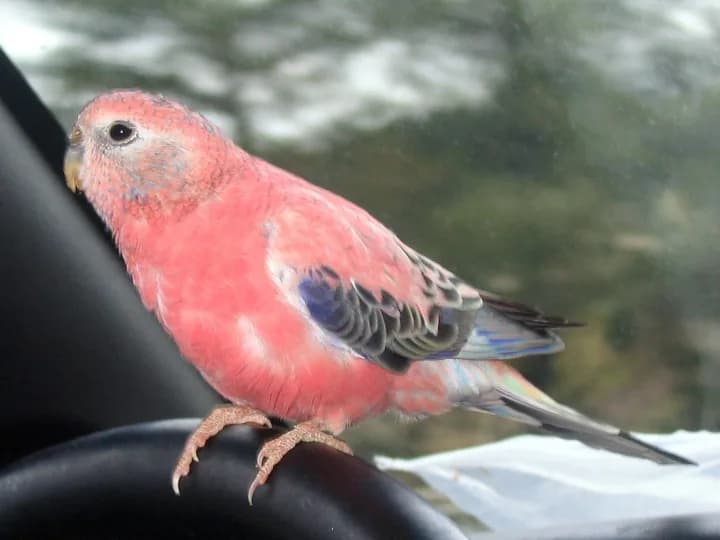
One of the gentlest, quietest parrots you can keep: a small grass parakeet from inland Australia, about 50 grams, that rarely talks and saves most of its calling for dawn and dusk. The rosy and rubino birds are color mutations of the same species, so you may have come across this beautiful little bird from the rubino mutation, making it a bright peachy glowing color. Please keep this in mind, grass parakeets forage on the floor, so a tray on the floor of their cage, of seed and greens suits them, and they put on weight easily, so give them room to fly in a cage at least 24 inches wide. Keep a pair if you can, and expect 10 years or more together.
- Lifespan: 10 years or more
- Noise: Low
- Minimum cage: 24 in wide
Doves – Doves quick facts
Difficulty: 1 of 5, easiest
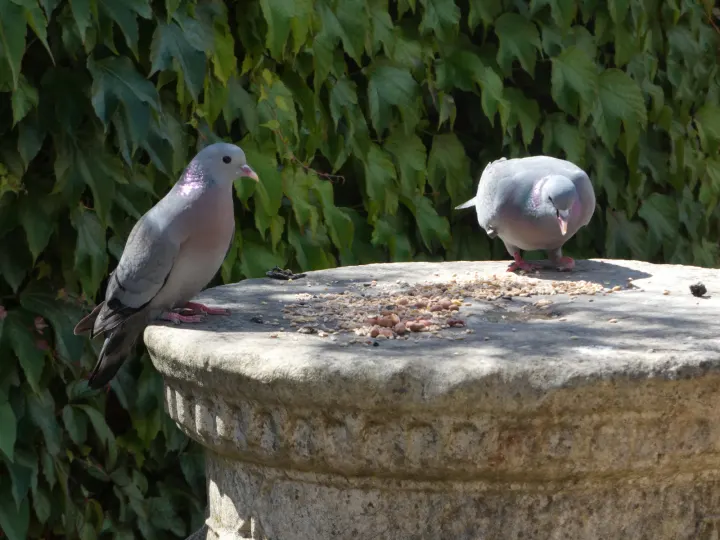
The calmest birds you can keep: a soft coo, no cawing, no screaming. Doves are for someone who wants a bird in the room rather than on the hand. They startle and fly straight up, so a padded or solid cage top helps. Feed from a shallow dish on the floor of the cage and give them water to bathe in a few times a week. Pairs are happiest, and same sex pairs avoid eggs. They are said to be extremely affectionate.
- Lifespan: 12 to 20 years
- Noise: Low
- Minimum cage: 24 by 24 by 24 in
Small parrots with big personalities
More interactive and more rewarding, and also louder, longer lived and more demanding than the birds above.
Lovebirds – Lovebirds quick facts
Difficulty: 2 of 5, easy
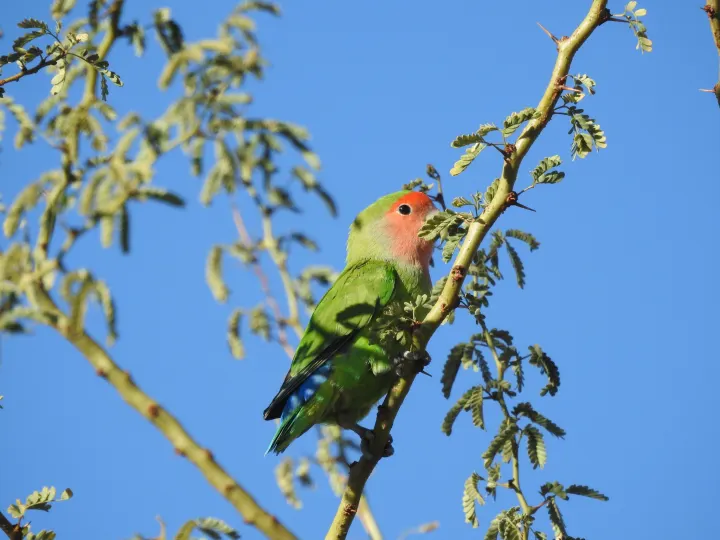
Bold, busy and tougher than their name suggests. Decide before you buy: a single hand raised lovebird bonds to you, while a pair bonds to each other and mostly ignores people. They chew constantly, so give them plenty to destroy (people usually use cardboard), and their high call is loud for a bird this size. Expect 15 to 25 years.
- Lifespan: 15 to 25 years
- Noise: Loud for the size
- Minimum cage: 30 by 18 by 24 in for a pair
Parrotlets – Parrotlets quick facts
Difficulty: 2 of 5, easy
The smallest true parrots, with the confidence of a much bigger one. They are fearless and territorial, and a single bird can become devoted to one person and nippy with everyone else. They are quiet enough for an apartment. Because they are so small, weigh them weekly on a gram scale: weight loss is often the first sign of illness.
- Lifespan: 15 to 20 years
- Noise: Low
- Minimum cage: 24 by 18 by 24 in
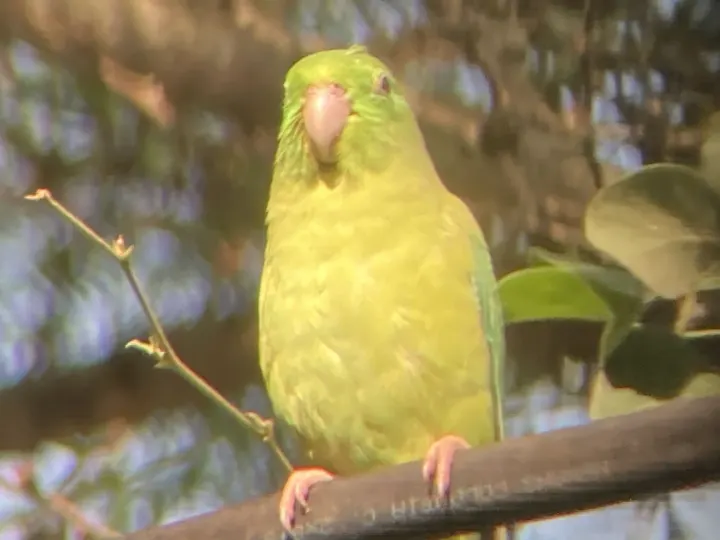
Conures – Conures quick facts
Difficulty: 3 of 5, moderate
The clowns of the bird kingdom, but incredibly affectionate. Conures love to be handled, hang upside on your finger like caiques, burrow into clothing and sometimes sleep on their backs. They are also piercingly loud, which is the most common reason they are rehomed, and a conure that gets attention for screaming learns to scream more. Keep in mind there are different types of conures, ranging from green-cheek, sun, to golden conures, with beautiful color mutations in between. Plan for 20 to 30 years.
- Lifespan: 20 to 30 years
- Noise: Loud
- Minimum cage: 24 by 24 by 30 in
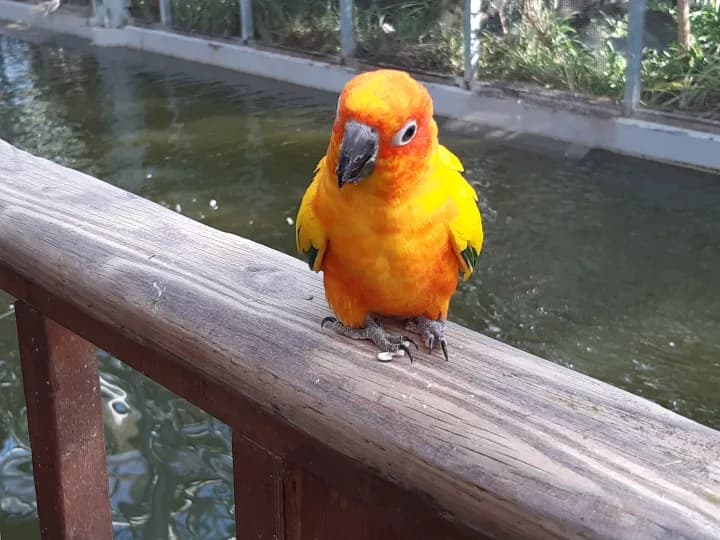
Quaker Parrot – Quaker Parrot quick facts
Difficulty: 3 of 5, moderate
Funny, confident and an excellent talker that starts young. Quakers guard their cage like a nest. Check the law before you buy one: they are illegal in California and restricted in several other states. A pellet based diet matters, because they are prone to fatty liver disease on seed.
- Lifespan: 20 to 30 years
- Noise: Loud
- Minimum cage: 24 by 24 by 30 in
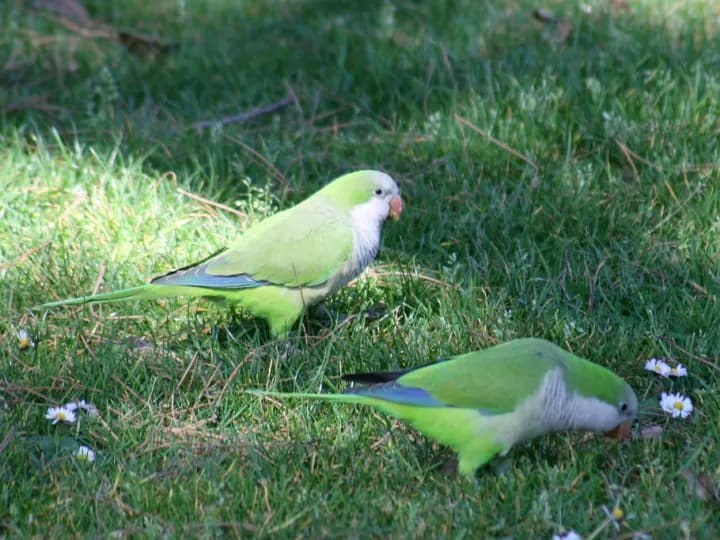
Indian Ringneck – Indian Ringneck quick facts
Difficulty: 3 of 5, moderate
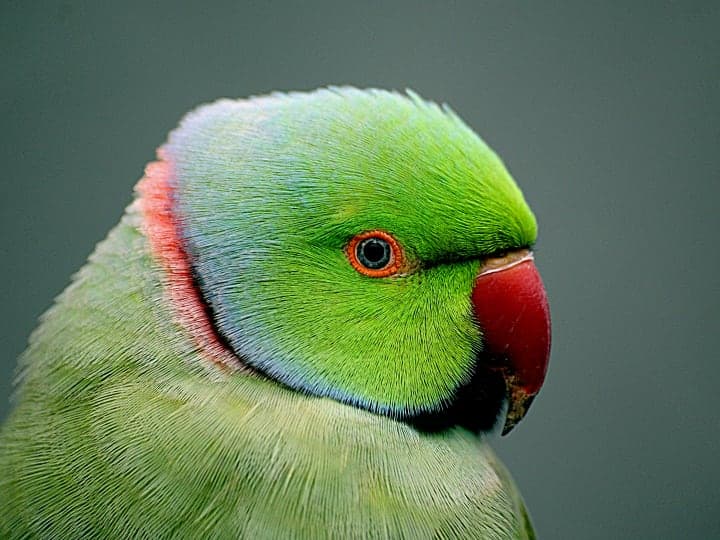
Clever, independent and one of the most clearest talkers. Many go through a nippy stage around their first birthday, which passes with steady handling. More than half the bird is just its tail, so it needs a long cage, at least 30 by 24 by 36 inches, and a strong call in the morning and evening makes it a poor fit for thin walls.
- Lifespan: 25 to 30 years
- Noise: Loud
- Minimum cage: 30 by 24 by 36 in
For experienced keepers
Intelligent, long lived parrots that need hours of attention and a keeper who knows birds.
Caique – Caique quick facts
Difficulty: 4 of 5, demanding
The comedians of the parrot world: they hop, wrestle, roll on their backs and surf on towels. They have the energy of a much bigger bird and no sense of danger, so watch them around dogs and ceiling fans. Make sure you are getting a tame one, or be prepared for big bites from the un-tame ones. They can hold on when they bite and it can pierce skin, so a lot of patience and bravery is needed to get them tame if they weren't already. Needs several hours out of the cage every day because they like to play a lot. They have a lifespan of 25 to 40 years.
- Lifespan: 25 to 40 years
- Noise: Loud for the size
- Minimum cage: 24 by 24 by 30 in
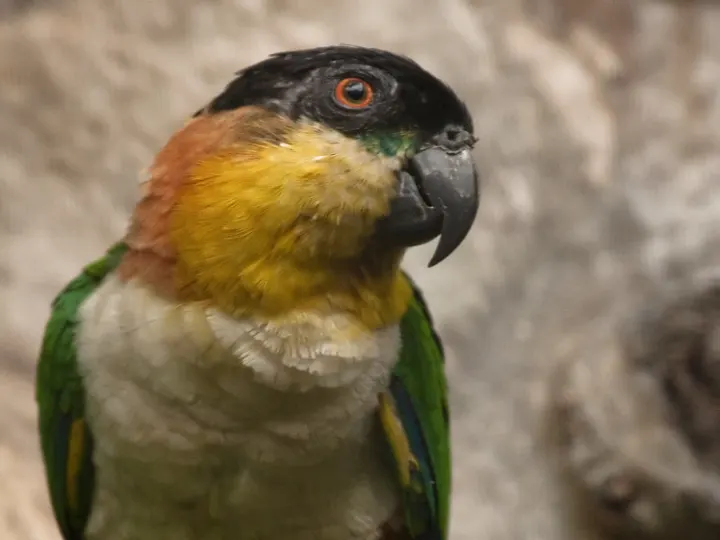
Eclectus Parrot – Eclectus Parrot quick facts
Difficulty: 4 of 5, demanding
Calm, quiet for its size and an unusually clear talker. Its diet is different from other parrots: more fresh fruit and vegetables and fewer pellets, and vitamin supplements can do harm, so find an avian vet who knows the species. The feathers are delicate, so choose smooth perches and toys. You should be an experienced bird owner for them. They are one of the big boys, so you should visit a specialized bird store that has them or knows more info about them so you can learn more before you get one.
- Lifespan: 25 to 30 years
- Noise: Moderate
- Minimum cage: 36 by 24 by 48 in
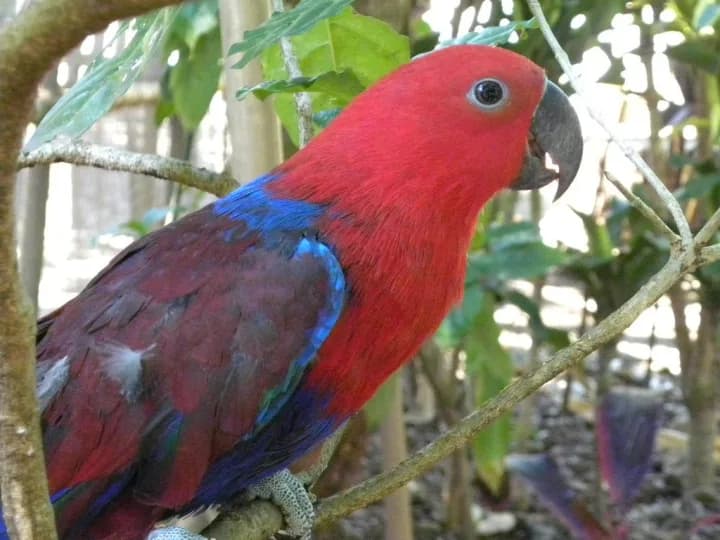
African Grey – African Grey quick facts
Difficulty: 5 of 5, expert
The most intelligent parrot most people will ever meet, and that is the challenge. A grey with nothing to work on plucks its feathers or invents a scream, so it needs foraging toys and daily mental work. They talk incredibly well, so be prepared to talk to them daily and teach them new words. They can even understand words and be taught a lot of things. This is the bird for you if you want a bit of a challenge and to raise a bird child, because they're like kids in terms of raising them, but having one can be incredibly rewarding. They will talk to guests and even your Alexa. Greys are reserved, often bond to one person, and live 40 to 60 years, some even to 80 years.
- Lifespan: 40 to 60 years
- Noise: Moderate
- Minimum cage: 36 by 24 by 48 in
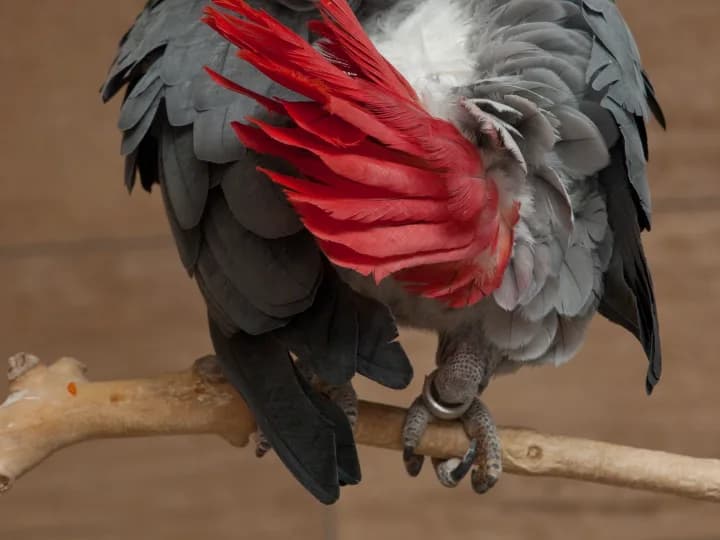
Amazon Parrot – Amazon Parrot quick facts
Difficulty: 5 of 5, expert
Loud, theatrical extroverts and strong talkers that also sing. Mature males can turn aggressive during the breeding season every year. They gain weight easily, so watch the seed and the treats. With a lifespan of 40 to 70 years, an Amazon is a bird to name in your will.
- Lifespan: 40 to 70 years
- Noise: Loud
- Minimum cage: 36 by 24 by 48 in
The biggest commitments
Magnificent birds that are surrendered more often than any other. Read their quick facts before you fall in love.
Cockatoo – Cockatoo quick facts
Difficulty: 5 of 5, expert
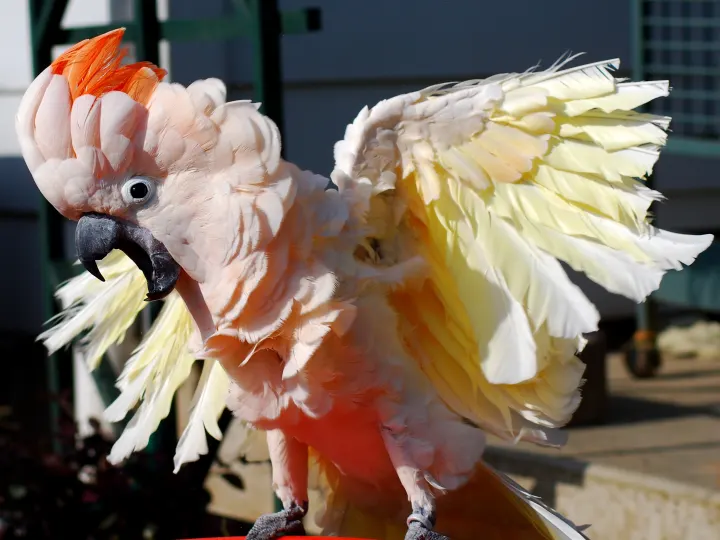
Affectionate to a degree that is hard to live with. A cockatoo wants contact almost constantly, and one left alone all day screams and plucks themselves bald. In Australia, they are destructive birds when they stop being fed by their usual favorite people. They can break a lot of things, so be prepared to be VERY hands on. They are extremely loud and goofy, they shed more dust than any other parrot, and they can open ordinary cage latches. Needs a cage of at least 40 by 30 by 50 inches, and they live 40 to 70 years.
- Lifespan: 40 to 70 years
- Noise: Very loud
- Minimum cage: 40 by 30 by 50 in
Macaws – Macaws quick facts
Difficulty: 5 of 5, expert
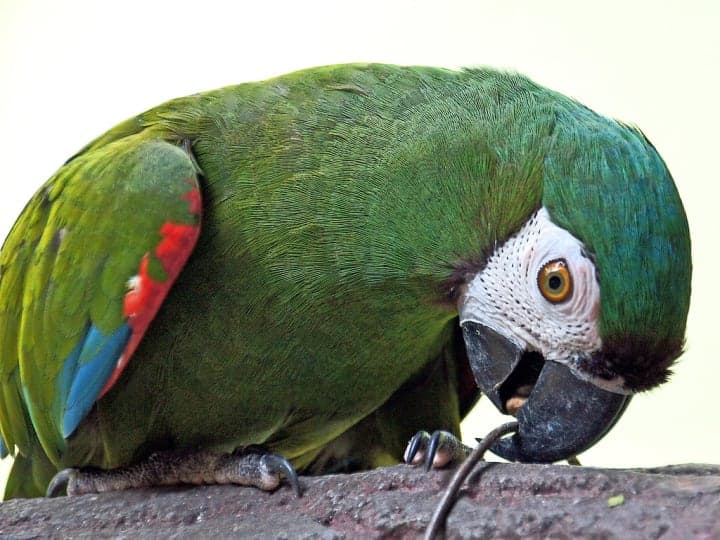
A blue and gold macaw has a wingspan of almost four feet, and that, more than temperament, decides whether one fits your home. They need a room to themselves or a huge flight cage where they can fully open their wings, a constant supply of hardwood to chew, and nuts in their diet. These big birds are handled by experienced bird owners who tend to flight train them. They can be extremely loud, deeply bonded, and with you for 50 years or more.
- Lifespan: 50 years and more
- Noise: Extremely loud
- Minimum cage: 48 by 36 by 60 in
Outside the house
Not cage birds at all. Chickens are the usual first livestock, and a goose is one of the longest commitments on this page.
Chicken – Chicken quick facts
Difficulty: 2 of 5, easy
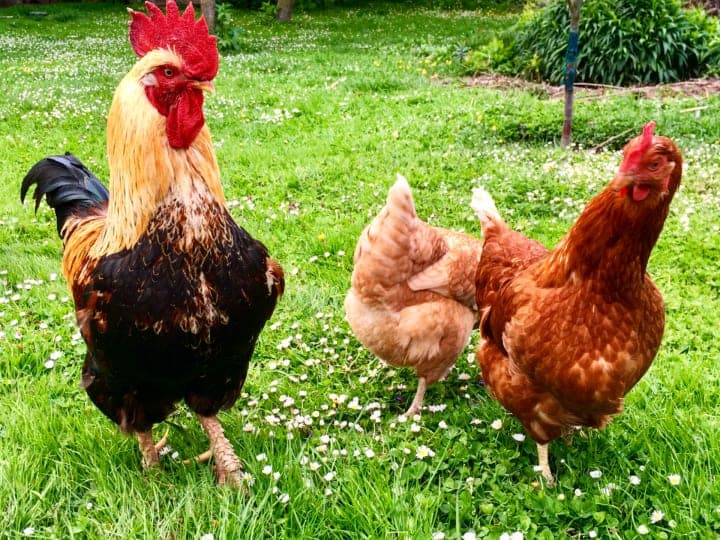
The usual first livestock, and livestock rather than a pet with feathers. Allow about four square feet of coop and eight of run for each bird, a complete feed with grit, veggies, mealworms and other food scraps that is organic, and keep at least three. Hens lay well when they're 2-3 years old and live five to ten years. They are sociable and curious, they will scratch a flower bed apart in an afternoon, and a hen announcing her egg is louder than people expect. They need a coop that shuts properly, a covered run, and a dry spot to dust bathe. Individual birds become tame and will come when called, especially to whoever holds the scraps. Make sure their coop is extremely secure because a lot of people lose their entire flock when wild animals get into it, and some animals can even dig under the coop to get into it. A camera in the coop is recommended.
- Lifespan: 5 to 10 years
- Minimum cage: 4 sq ft of coop and 8 of run per bird
- Adult weight: 4 to 10 lb
Goose – Goose quick facts
Difficulty: 3 of 5, moderate
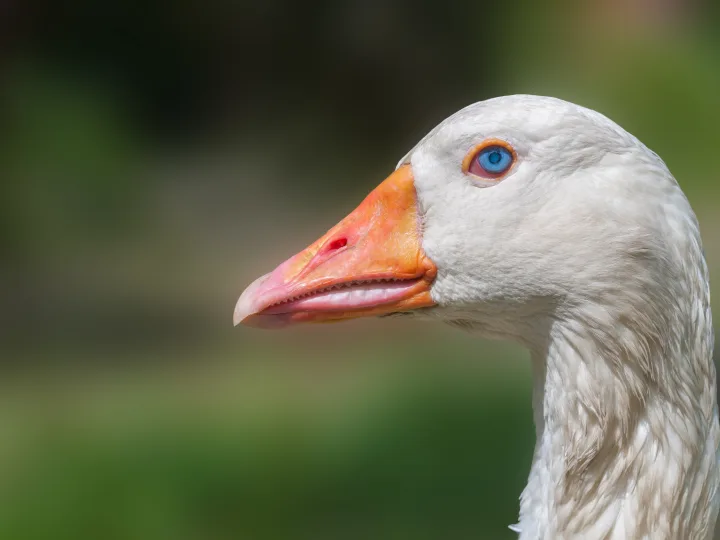
Geese graze, so grass is most of their diet and good pasture feeds them for little through the summer. They are loud, bold and protective, and a gander will stand between his flock and anything he does not know, which is why geese are kept as yard guards. Never keep just one. They need water deep enough to dunk their heads, a coop that shuts at night against foxes. They live 20 to 25 years, longer than most dogs.
- Lifespan: 20 to 25 years
- Adult weight: 9 to 22 lb
Read before you choose
- Bird quick facts: size, lifespan, noise and cage size for every bird we list.
- All quick facts, if a bird turns out not to be the right fit.
- Buyer and seller safety: what to ask and how to pay safely.
The right bird is the one you will still be glad to hear at six in the morning, ten years from now.