Exotic Pets for Sale
Browse exotic pets from breeders across the United States. Ownership rules vary by state and by county, so check yours before you commit to one.
Available now (2)
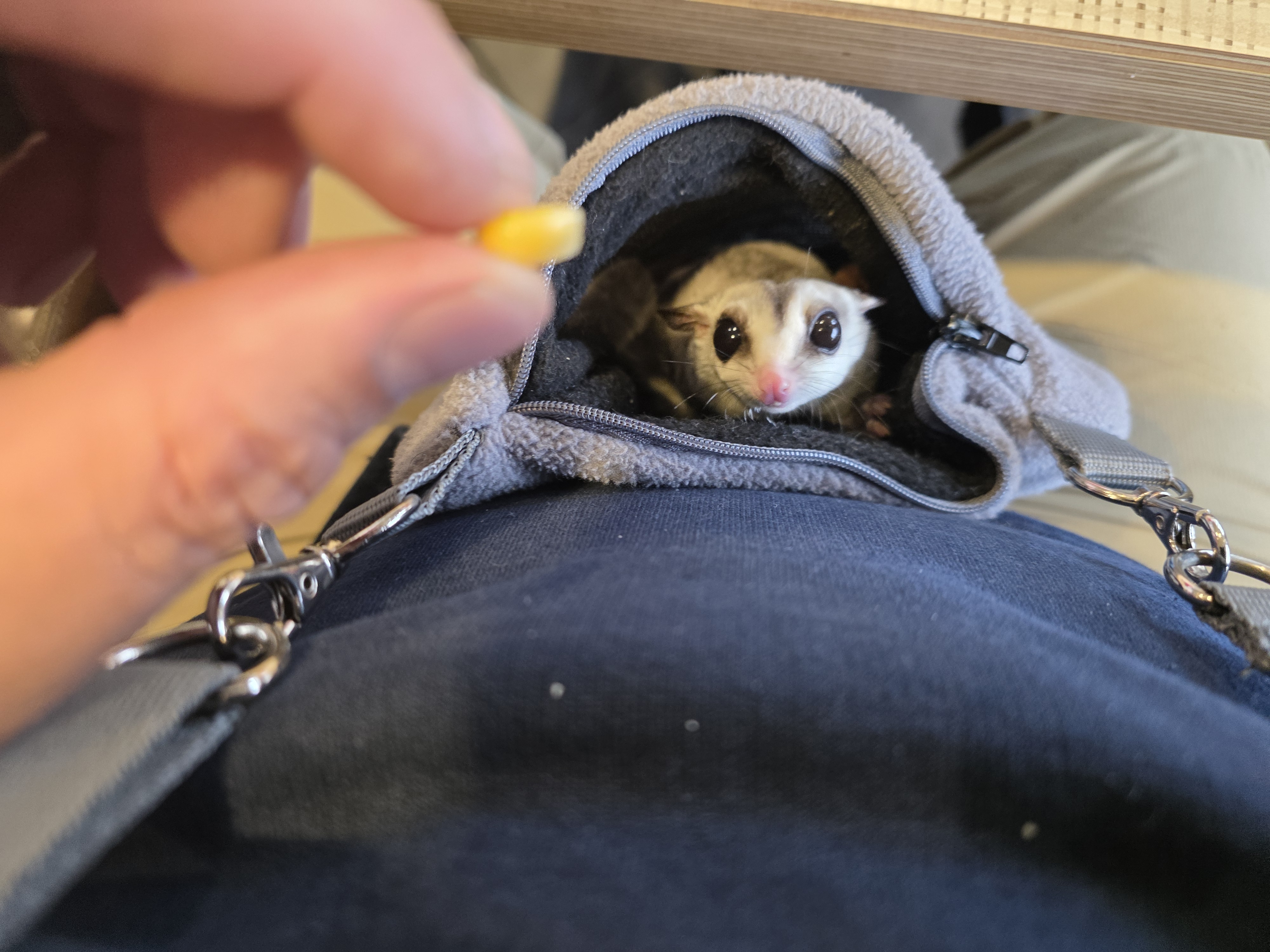
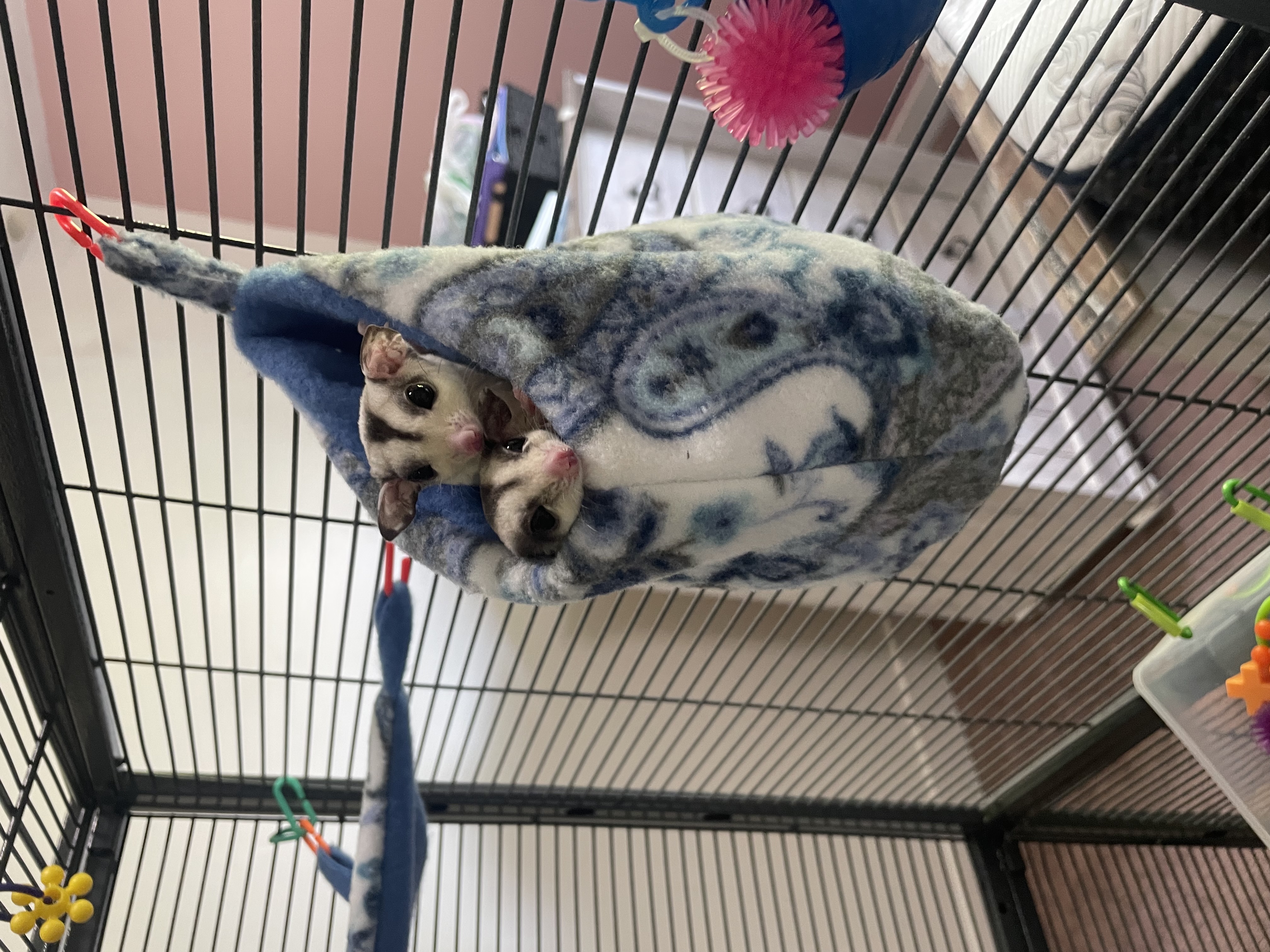
Buying exotic pets: what to look at
Exotic covers everything from a hedgehog to a serval, and the one thing they share is that the law, the vet and the setup all have to be sorted before the animal, not after. Everything below applies across the category.
Check the law where you live, and everywhere in between
Rules come at state, county and city level, and sometimes from a landlord or an HOA on top. Hedgehogs are illegal in several states and in New York City, and ferrets are banned in California and Hawaii. Some animals are legal to own but need a permit, and some can be owned but not carried across a state line. The seller being somewhere it is legal does not make it legal for you, so check your own address first.
Find the vet before the animal
Most small-animal practices will not see an exotic, and the ones that do are often an hour away and booked. Phone one before you buy, confirm they will see the species, and ask what a first check costs. An animal you cannot get treated is an animal you cannot keep properly, whatever the enclosure looks like.
Captive bred, with a date, and what the line is known for
Ask for the birth date and whether the seller bred it. For a sugar glider ask whether it was raised in a colony and handled young, because one raised alone tends to crab and bite for life, and they should be kept in pairs anyway. For a hedgehog ask whether wobbly hedgehog syndrome has appeared in the line, since there is no test for it and good breeders track it. Most ferrets in the US arrive already neutered and descented from large farms, so ask which it is and ask about adrenal disease, which is common.
The setup is most of the cost
Hedgehogs and gliders both need the room kept warm, in the low to high seventies, all year. Both are nocturnal, so a child who wants a daytime pet will be disappointed. Gliders need a specific diet rather than fruit, and a hedgehog needs a lean high-protein food plus insects. Ask the seller exactly what it is eating and ask to see the enclosure, because the enclosure tells you how it has been kept in a way the animal cannot.
What to look at on the day
Clear eyes and a clean nose on any of them. On a hedgehog, quill loss is normal during quilling at six to twelve weeks, but bare patches on an older animal, or dry flaking skin, are mites. On a ferret, hair thinning that starts at the base of the tail, or a swollen vulva on a female, is the look of adrenal disease. On a glider a bald patch on a male's forehead is a scent gland and normal, while a thin tail base is an animal that is underweight. Alert, curious, and willing to be handled for a minute is what you want to see.
More on choosing a seller and reading a listing on the PetListings blog.