Farm Animals for Sale
Browse goats, chickens, ducks, pigs and other farm animals and poultry from breeders across the United States.
Available now (2)
Buying farm animals: what to look at
A farm animal is bought for eggs, milk, meat, fibre or breeding, and it brings whatever disease its old place had onto yours, where it stays. So the seller's records matter more than they would for a pet, and the questions below are about the herd or flock as much as the animal.
Ask about the whole herd, not the one you are buying
Where did the stock come from, is the herd closed, what has been brought in recently, and have there been any losses this year. A seller who runs a closed herd and tests it will tell you so unprompted. Whatever the answer, quarantine anything new for thirty days on your own place, away from your animals, before it joins them.
Goats and sheep: ask for test results, then look at the neck
The three to ask about are CAE, CL and Johne's, and the answer you want is a dated lab sheet for the herd, not “we have never had it”. Then run your hands along the jaw, the throat and in front of the shoulders feeling for lumps or old abscess scars, which is what CL looks like from outside. Pull down the lower eyelid: pale pink or white inside means anaemia from worms. Check the hooves for overgrowth and for the smell of foot rot, and ask for a birth date rather than an age.
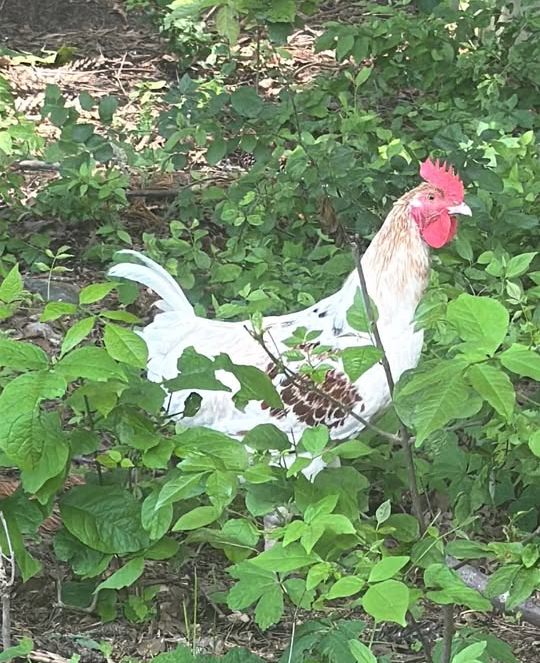
Poultry: the comb, the legs and the vent
A hen in lay has a bright red comb. A pale, shrunken one is a bird that is not laying or not well. Look at the legs for raised, crusty scales, which are leg mites, and part the feathers around the vent looking for lice and for clumps of eggs at the base of the feathers. Listen for a rattle or a sneeze, because respiratory disease in a flock is chronic and spreads. Ask for the hatch date, ask whether chicks are sexed or straight run, and in the US ask whether the flock is NPIP certified.
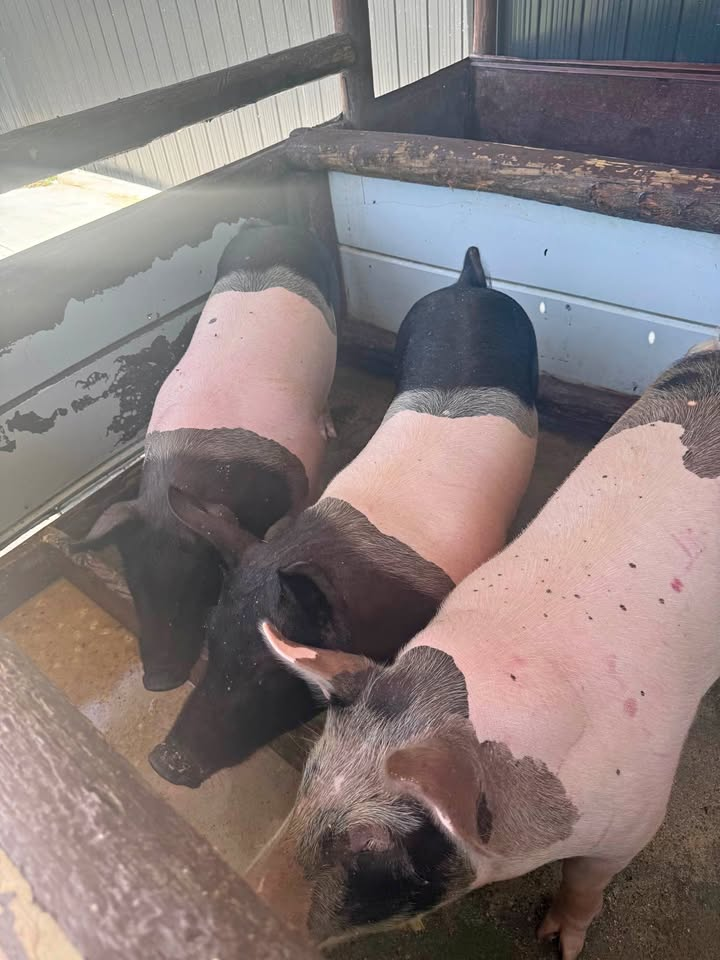
Pigs: the weight against the age
Ask what it weighs and when it was born, because a pig growing well is the simplest sign of a pig being fed and kept properly. Ask what it has been vaccinated and wormed for and when. Ask the breed and the expected adult weight, and treat “teacup” as a marketing word: a small breed still ends up well over a hundred pounds. A pig that is coughing, wet at the nose or holding a leg up stays where it is.
Sort the paperwork before the trailer
Most states need a certificate of veterinary inspection for livestock crossing a state line, and sheep and goats in the US need an official scrapie ear tag before they leave the farm. Registered stock comes with registration papers, and a transfer that has not been done is a job left for you. Ask for all of it before you arrange transport, because the animal that is already in your trailer is the one with no paperwork.
More on choosing a seller and reading a listing on the PetListings blog.