Cats
85 breeds listed on Pet Listings.
85 pages written
A
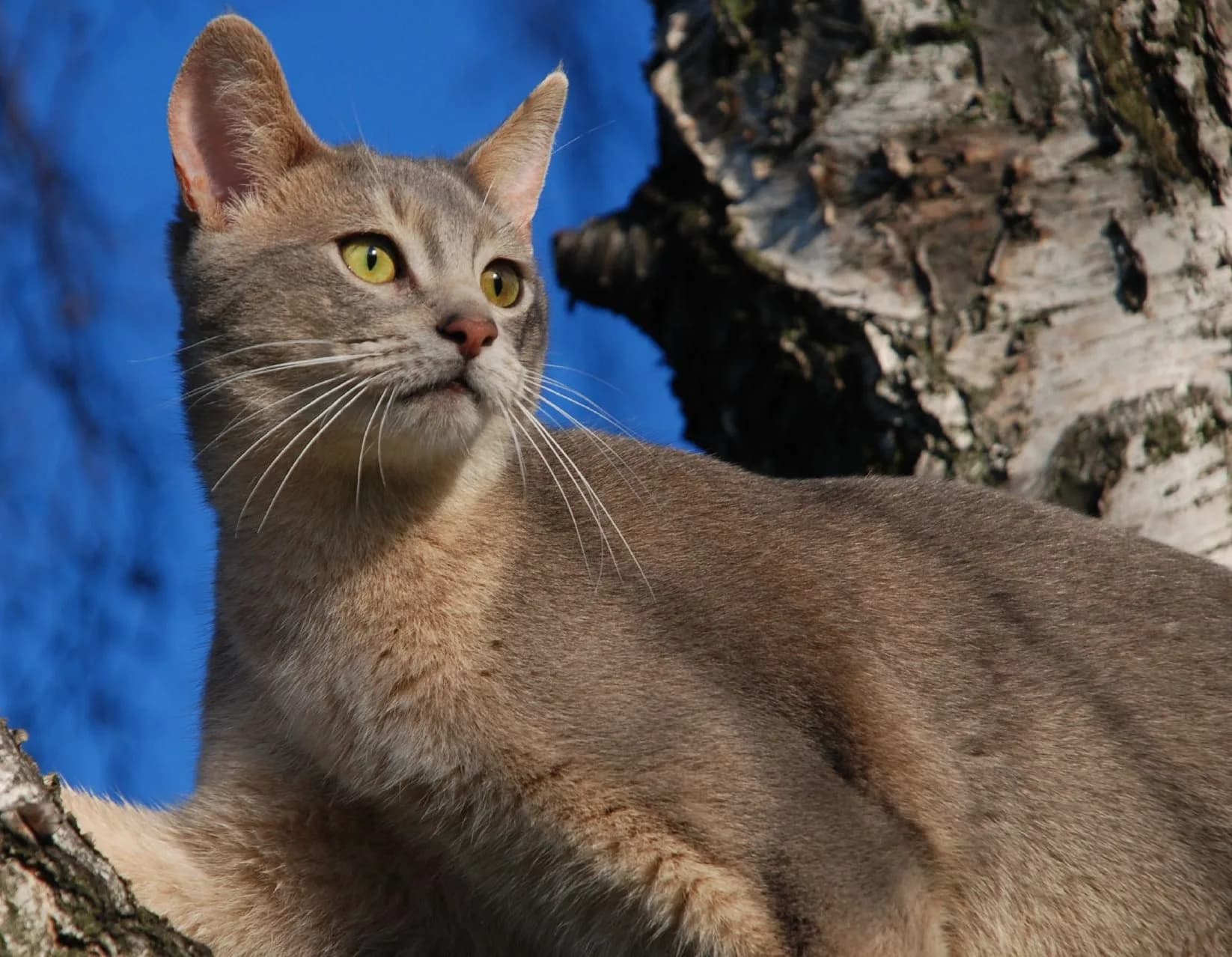 AbyssinianEach hair is banded with several colours, so the coat has no pattern up close and shimmers at a distance. Busy to the point of restless, and rarely found sitting.
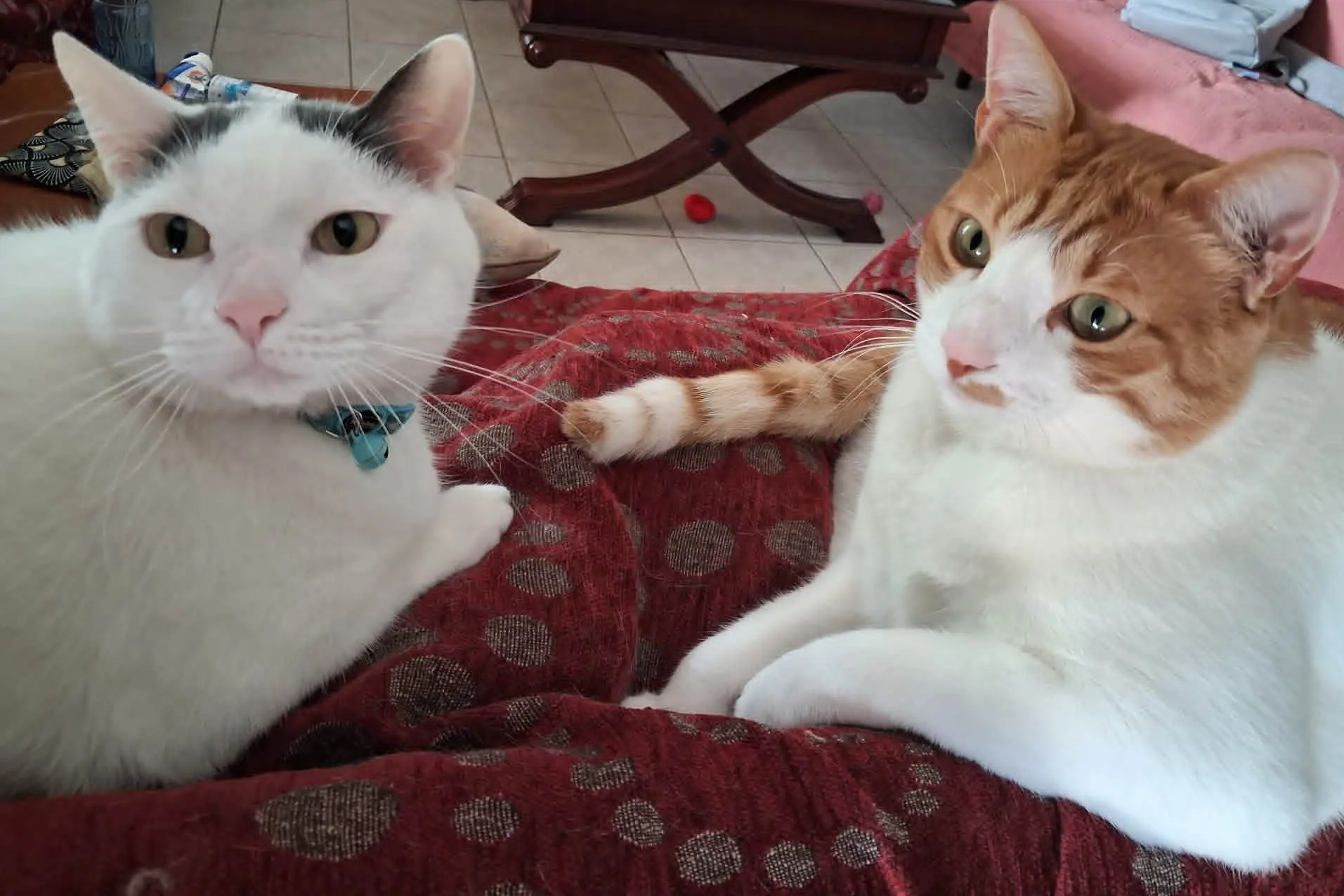 AegeanGreece's only native breed, from the Cyclades, and one of the few cats that fishes. Bicolour and semi longhaired, and a natural breed rather than a made one.
 American BobtailThe short tail is a natural mutation and no two are the same length. It takes two or three years to finish growing, and it follows people around like a dog.
 American CurlThe ears curl backwards, and kittens are born with them straight: they turn in the first week or two. The whole breed traces back to one stray found in 1981.
 American ShorthairThe working farm cat of colonial America, bred on for soundness rather than for looks. Heavy boned, easy going, and best known in silver tabby.
 American WirehairThe coat is crimped and springy, whiskers included, from a single mutation on a New York farm in 1966. It is one of the rarest breeds registered anywhere.
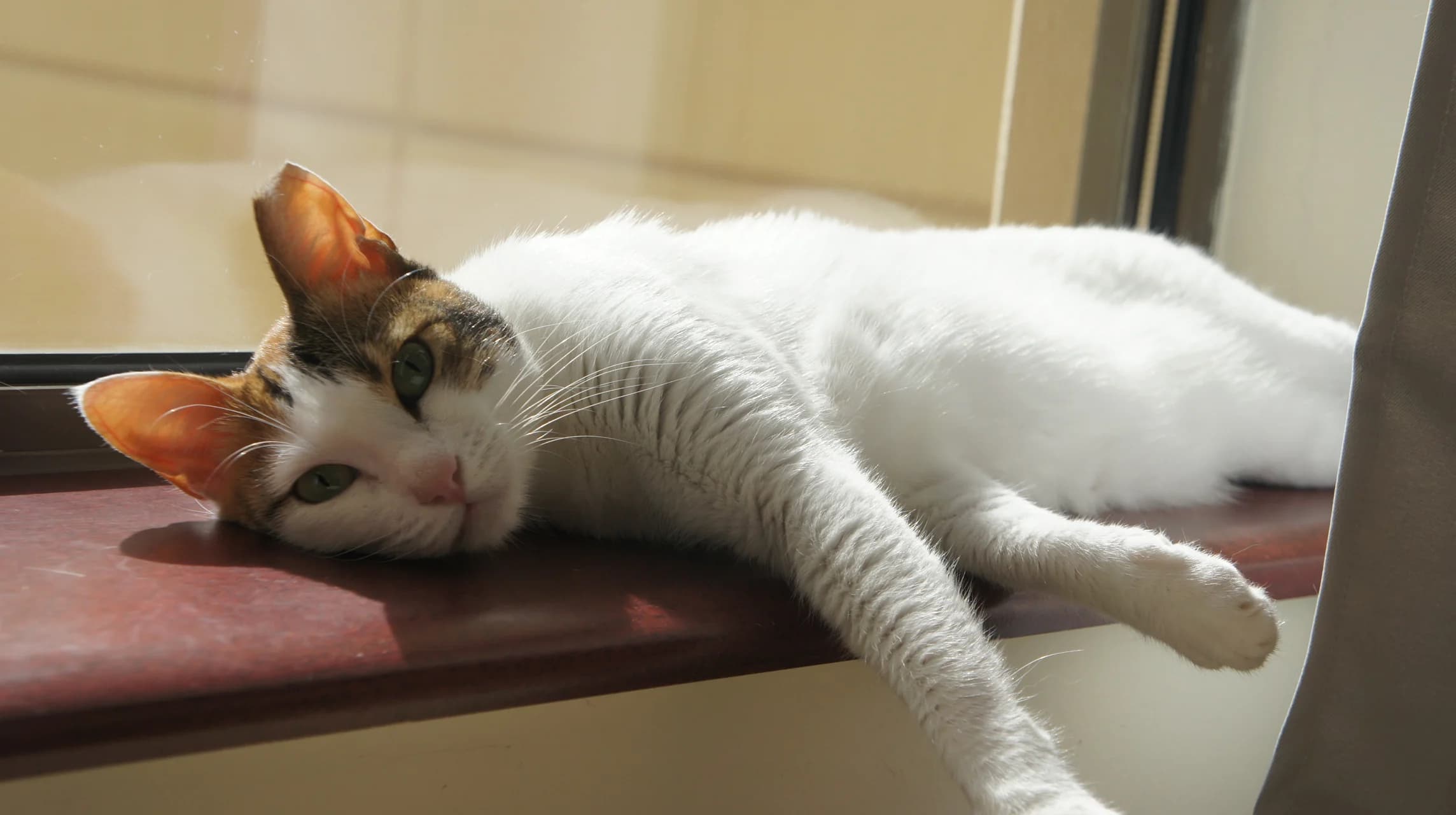 Arabian MauA natural desert breed from the Arabian peninsula, living alongside people long before anyone registered it. Large ears and a short coat, both built for heat.
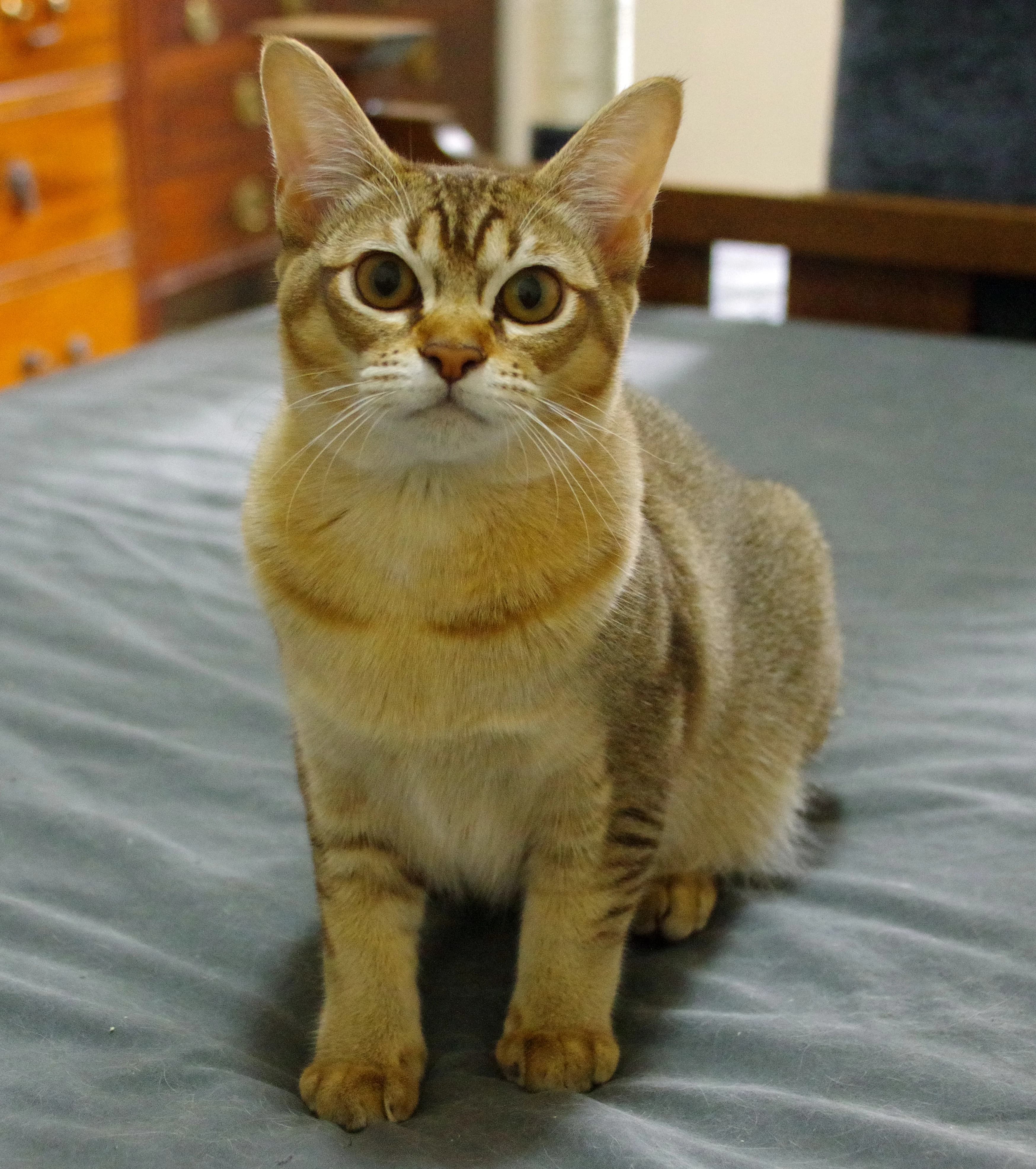 AsianBuilt like a Burmese but bred to carry a wider range of colours and patterns. Developed in Britain, and it keeps the Burmese habit of answering back.
 Asian Semi-longhairThe semi longhaired member of the Asian group, also registered as the Tiffanie. Burmese in build and in temperament, with a plume of a tail.
 Australian MistThe first breed developed in Australia, out of Burmese, Abyssinian and local shorthairs. Bred deliberately to live indoors, which few breeds can claim by design.
B
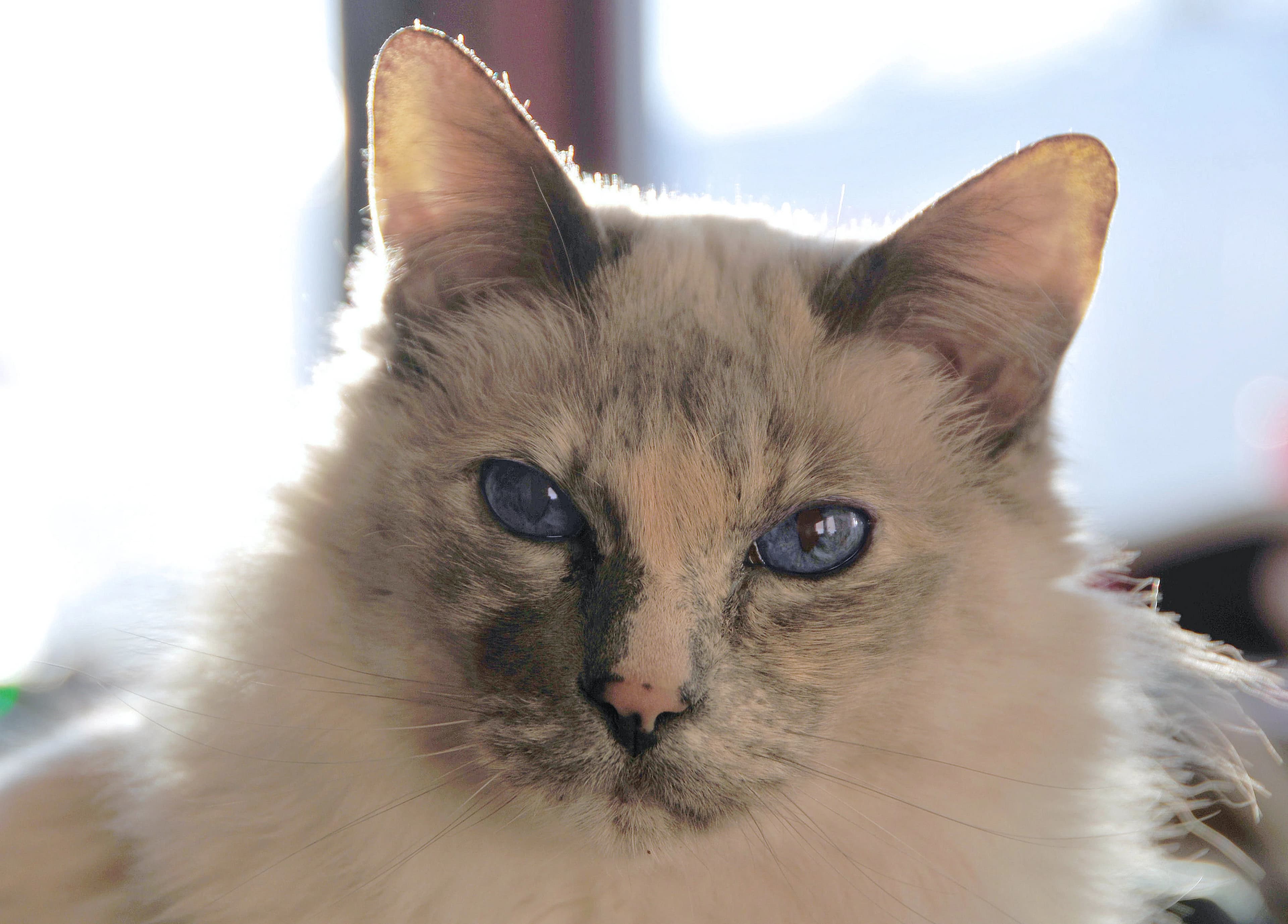 BalineseA longhaired Siamese under another name, points and all, and nothing to do with Bali. It has the Siamese voice too, though it uses it a little less.
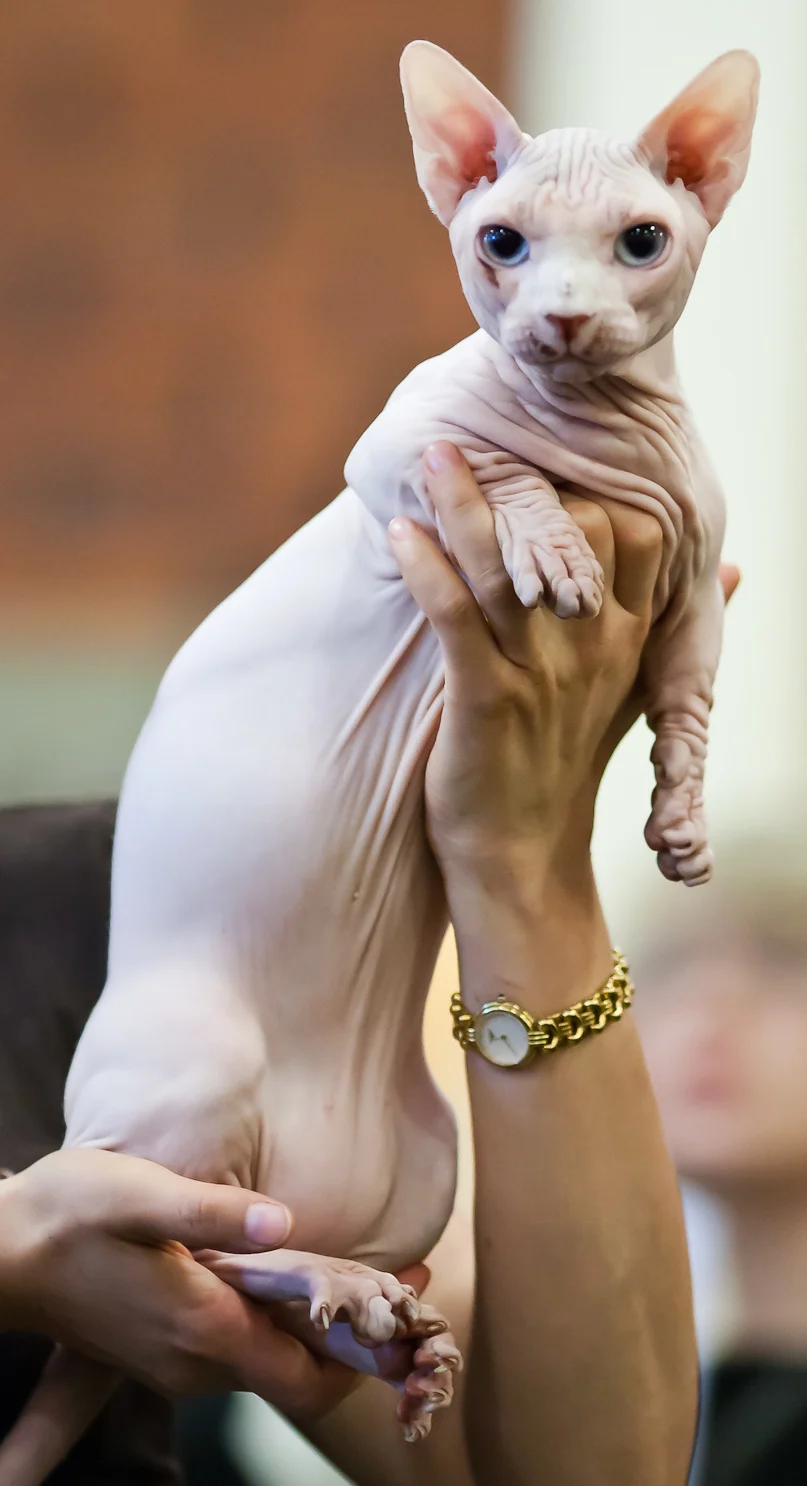 BambinoHairless from the Sphynx and short legged from the Munchkin, which is exactly what it was crossed from. A young breed, and a contested one among registries.
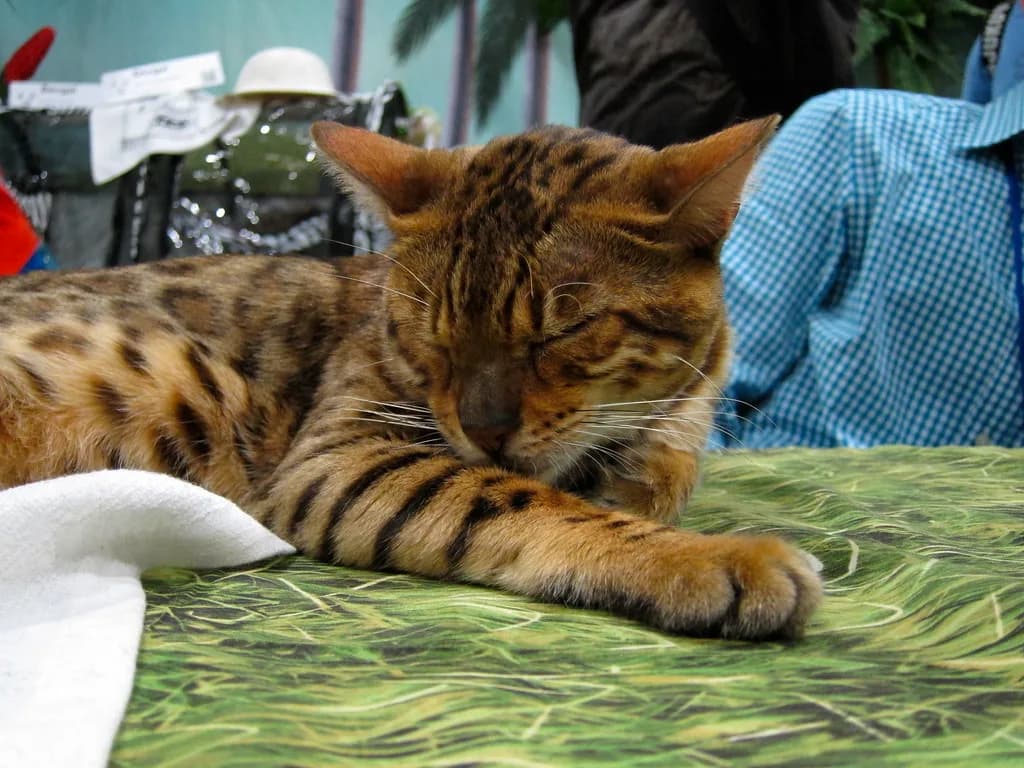 BengalThe rosettes come from the Asian leopard cat, several generations back. Bengals climb everything, and they are among the few cats that will join you in the shower.
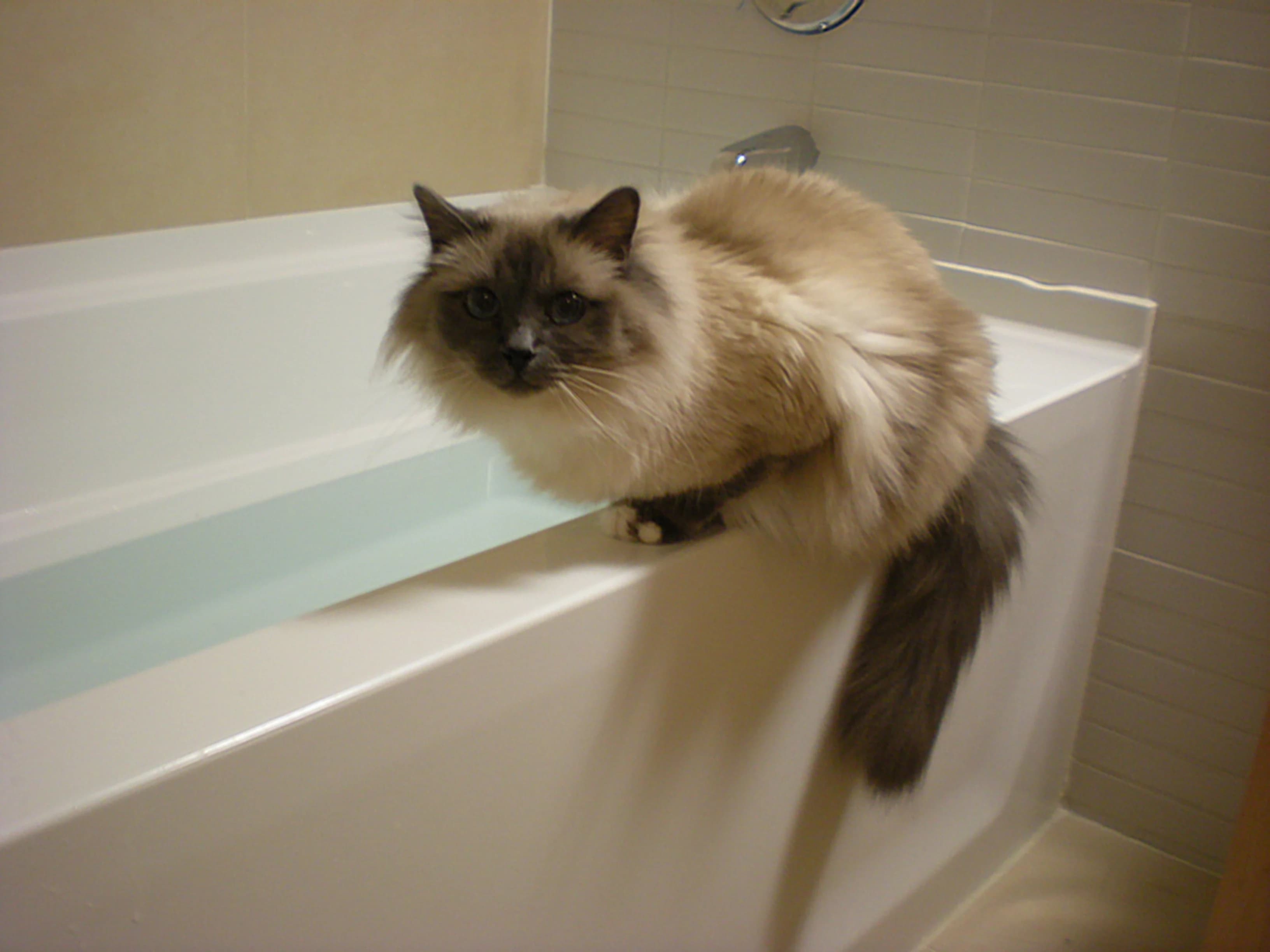 BirmanColourpointed like a Siamese but with white gloves on every foot, and the gloves have to match. Deep blue eyes, and far quieter than the Siamese.
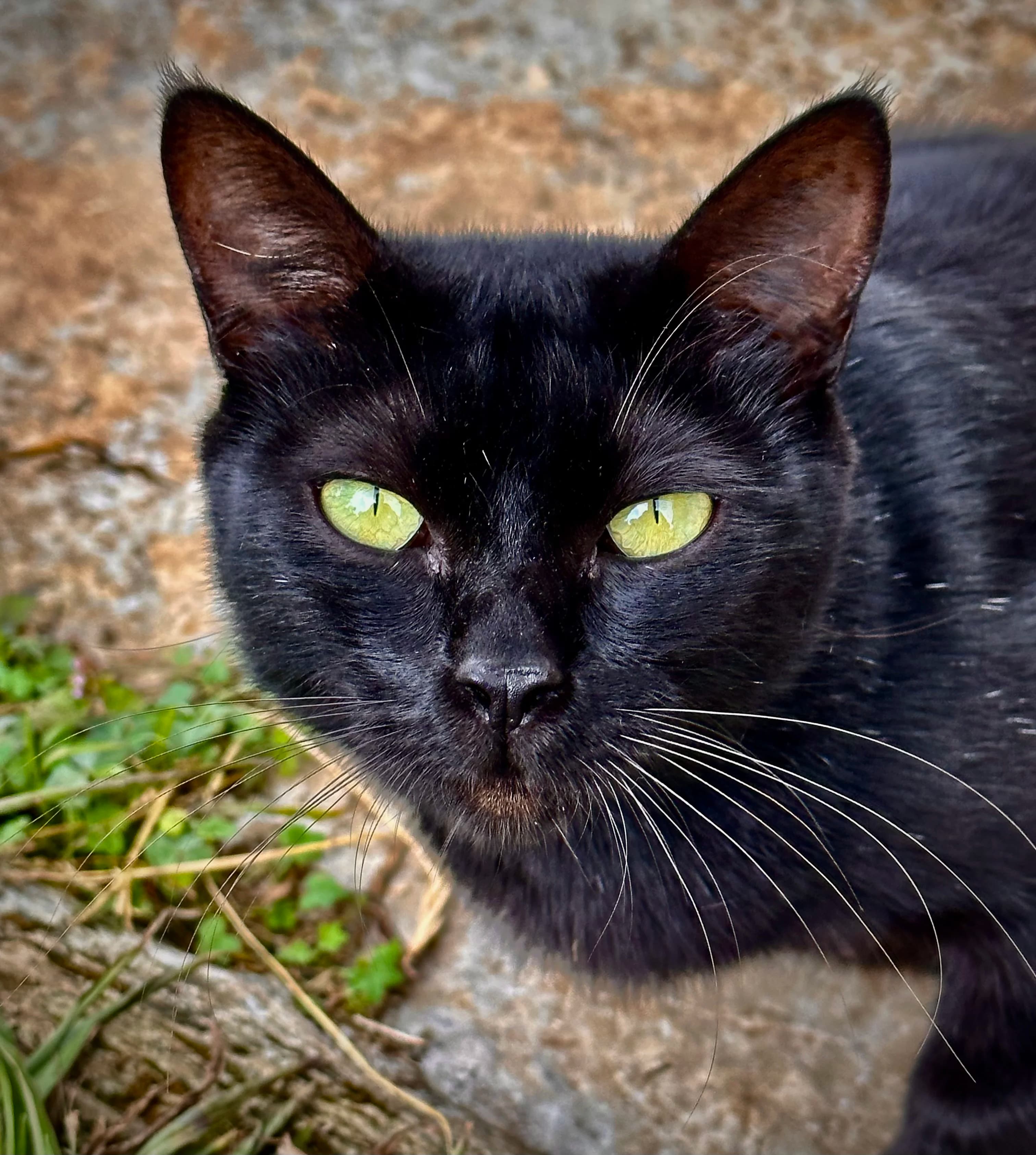 BombayBred to look like a small black panther, down to black nose leather and black paw pads. The eyes are copper, and the coat is patent leather rather than matte.
 Brazilian ShorthairBrazil's first recognised breed, built up from the street cats the Portuguese brought over. Lean, athletic and hardy, without the fragility of a made breed.
 British LonghairA British Shorthair carrying the long coat gene: the same round face and the same calm under a much denser coat. Undemanding, and not a lap cat by preference.
 British ShorthairRound through the head and dense through the coat, and heavier to lift than it looks. It likes company on the floor beside you rather than on your lap.
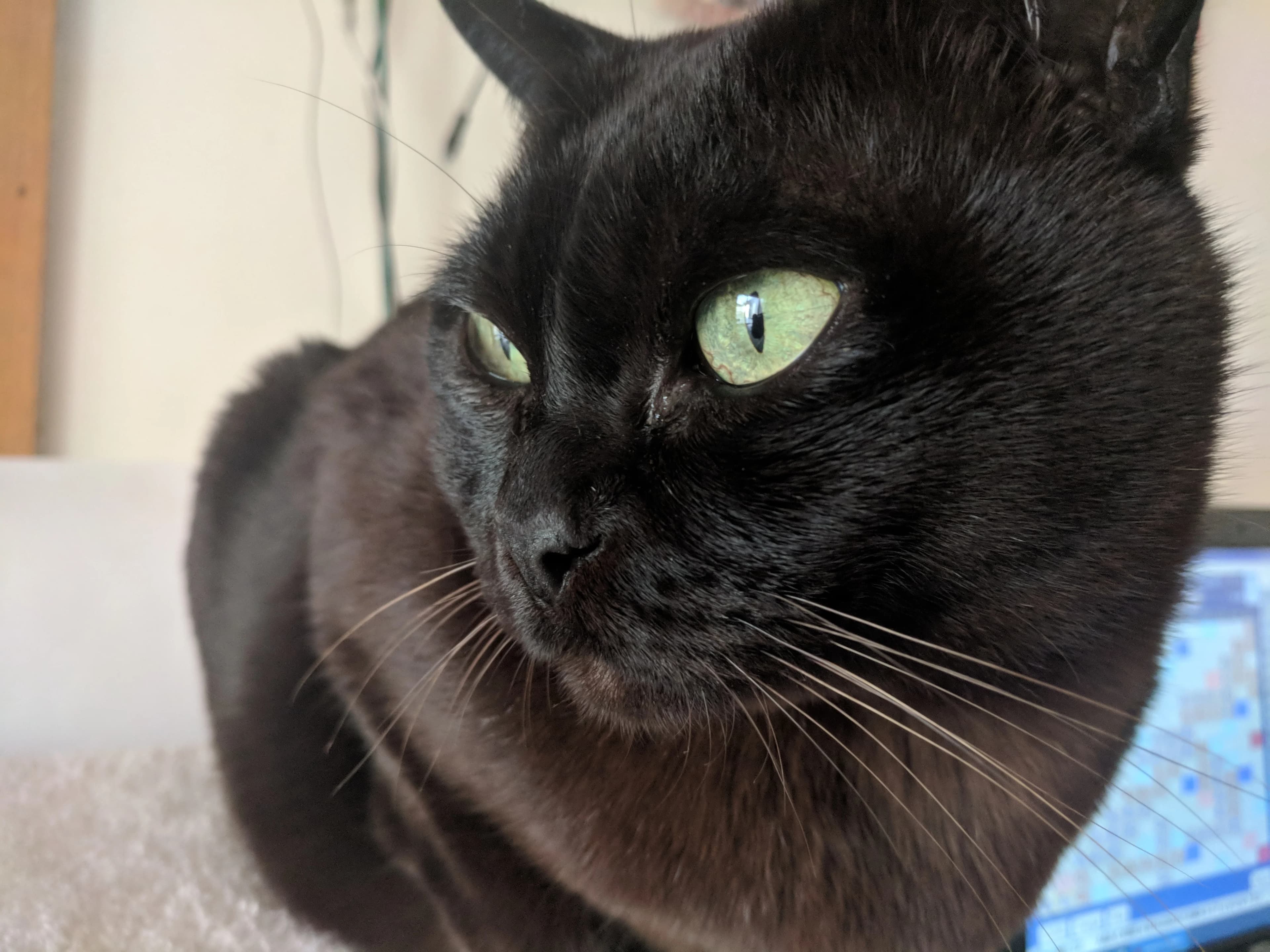 BurmeseEvery Burmese traces back to one cat, Wong Mau, brought out of Burma in 1930. Deceptively heavy for its size, and it talks constantly in a low voice.
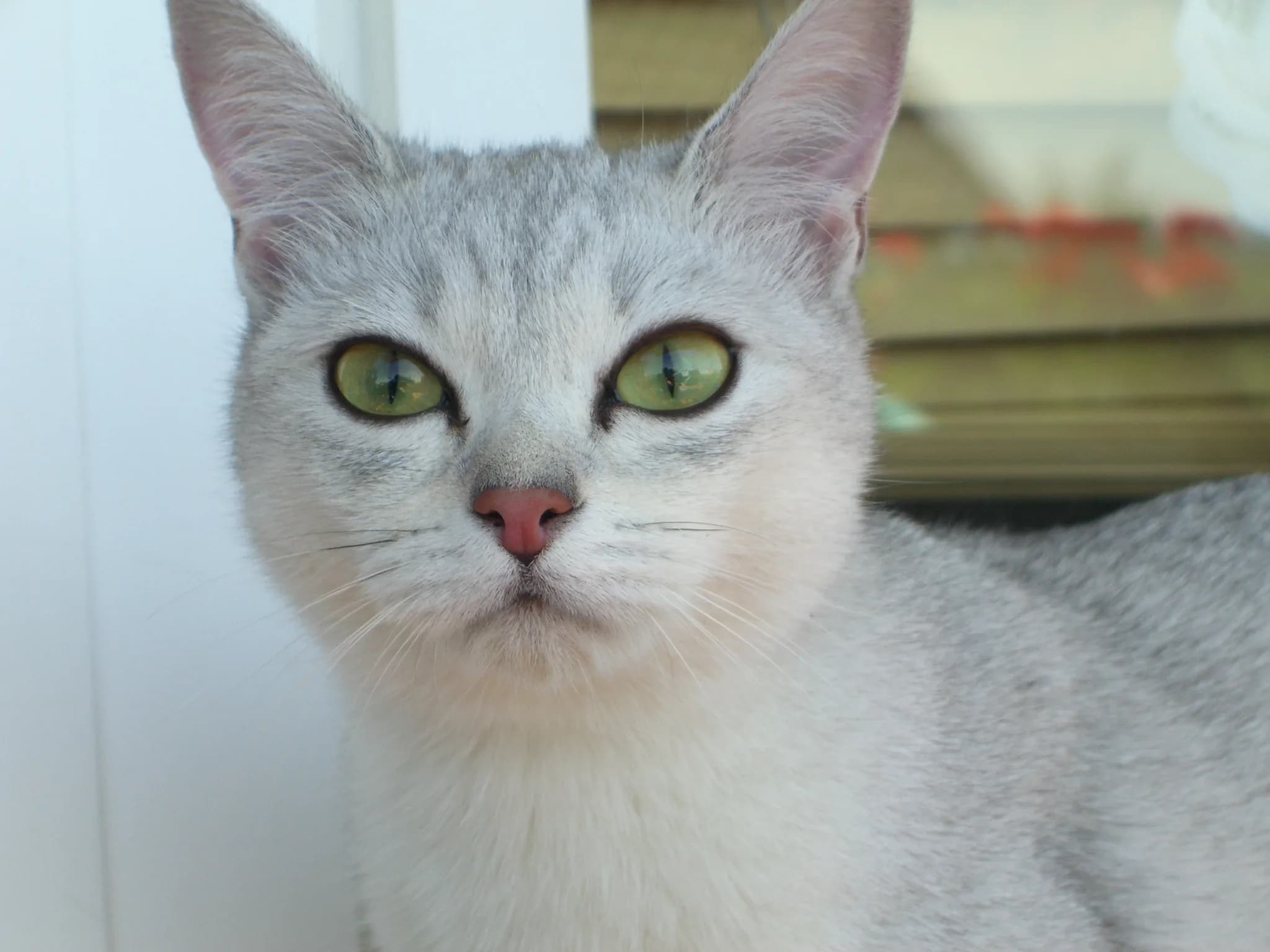 BurmillaThe result of an accidental mating between a Burmese and a Chinchilla Persian in 1981. The coat is silver with dark tipping, so it shifts as the cat moves.
C
California SpangledBred in the 1980s to look like a spotted wild cat with no wild blood in it, as an argument against the fur trade. Very rare, and once sold by a department store. Chantilly-TiffanyA semi longhaired chocolate cat that was declared extinct twice and brought back both times. Quiet, and it chirps rather than meows.
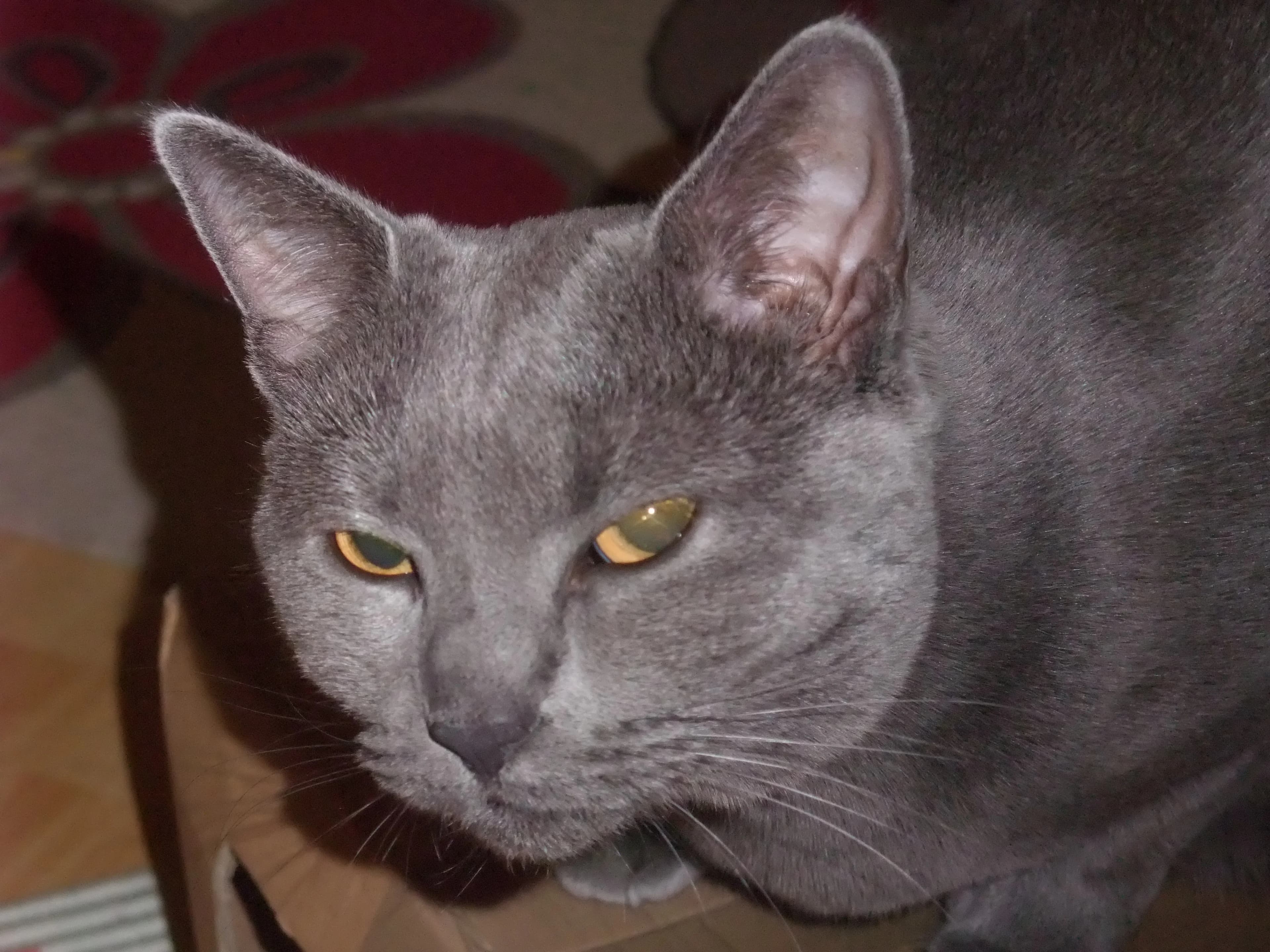 ChartreuxFrench, blue coated, and the coat is woolly rather than silky, breaking in ripples. Famously quiet: many Chartreux barely make a sound at all.
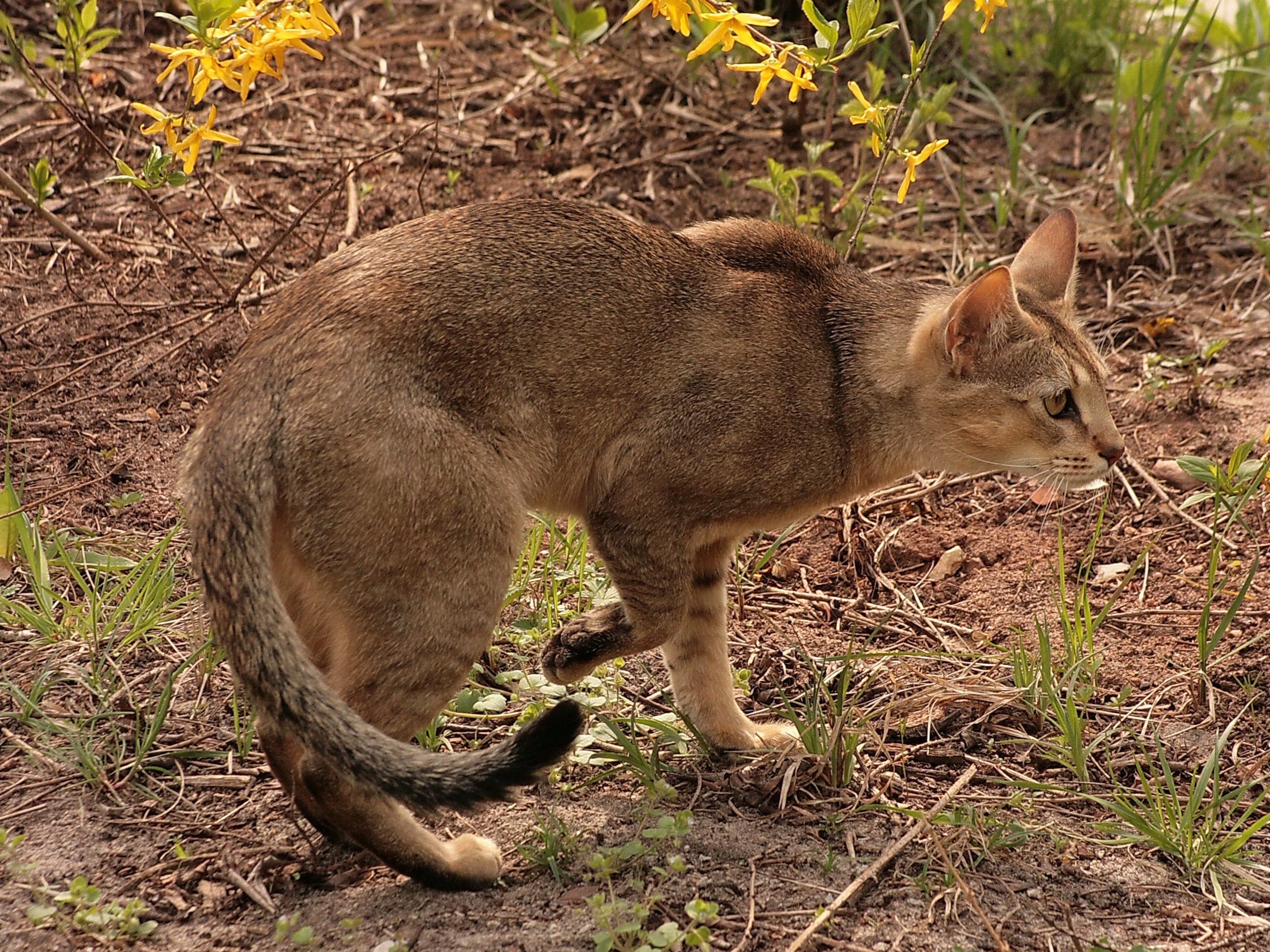 ChausieA hybrid of the jungle cat and a domestic, and it shows: long legged, tall eared, built to run. It needs more space and more to do than a house cat.
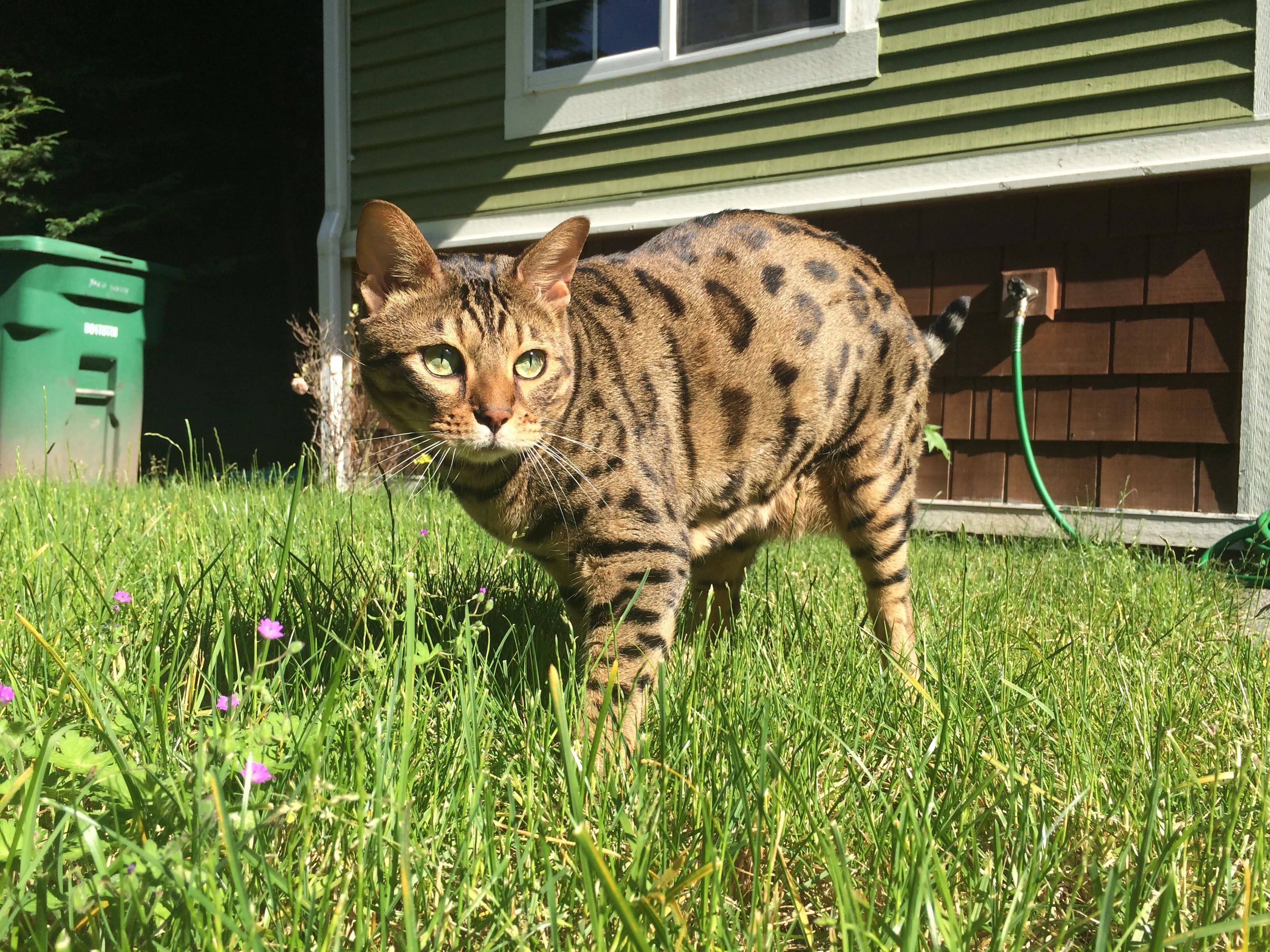 CheetohA cross of the Bengal and the Ocicat, bred for a spotted coat on a big frame. New enough that the standard is still settling.
 Colorpoint ShorthairA Siamese in point colours the Siamese standard does not admit, red and cream among them. Same build, same voice, same insistence on being in the room.
 Cornish RexThe coat has no guard hairs at all, only the soft undercoat, waved like corrugated iron. It feels warm in the hand because so little sits between you and the cat.
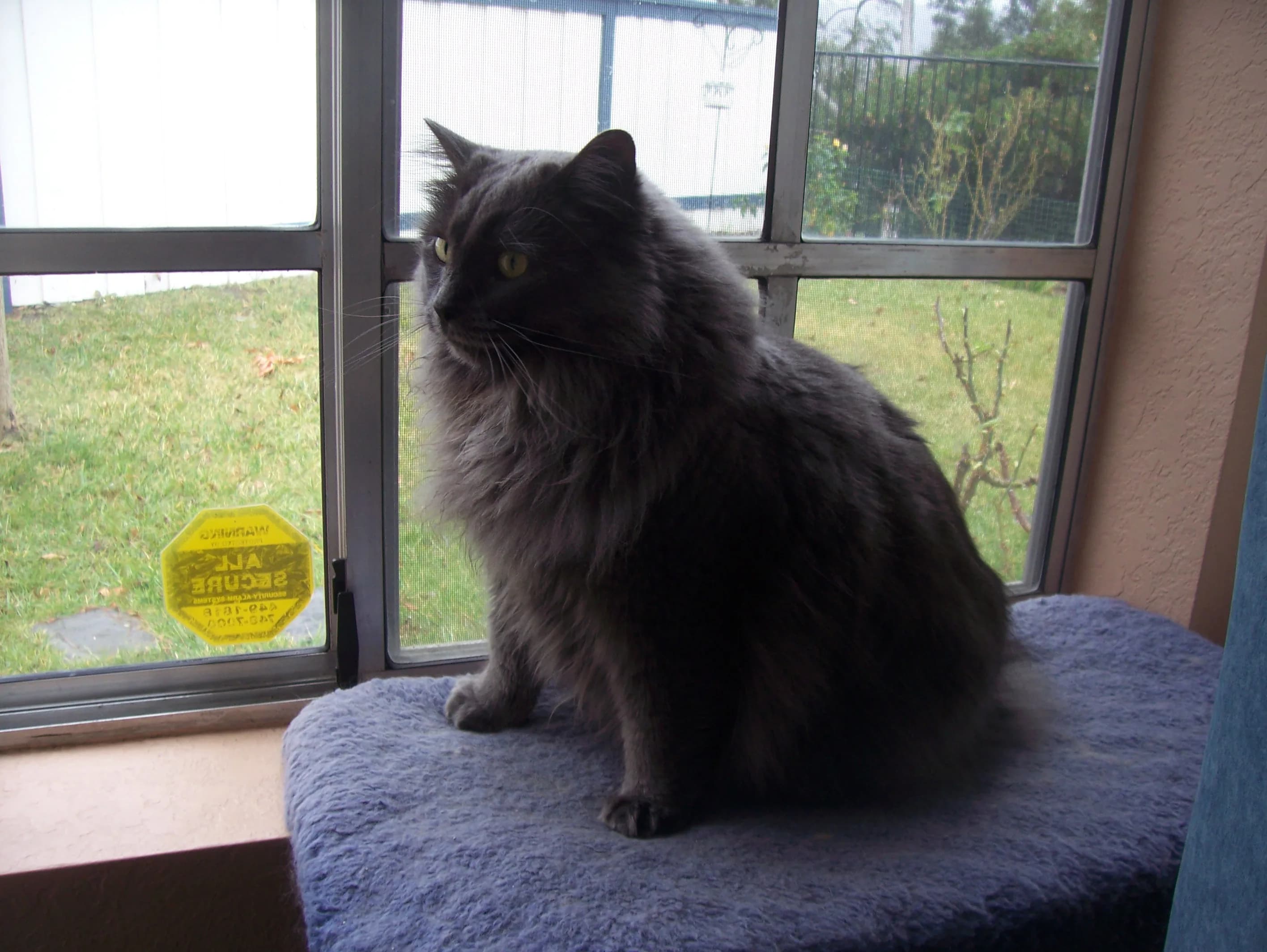 CymricA longhaired Manx, which means tailless or nearly so, from the Isle of Man. The hind legs run longer than the front, so it moves with a rabbit's hop.
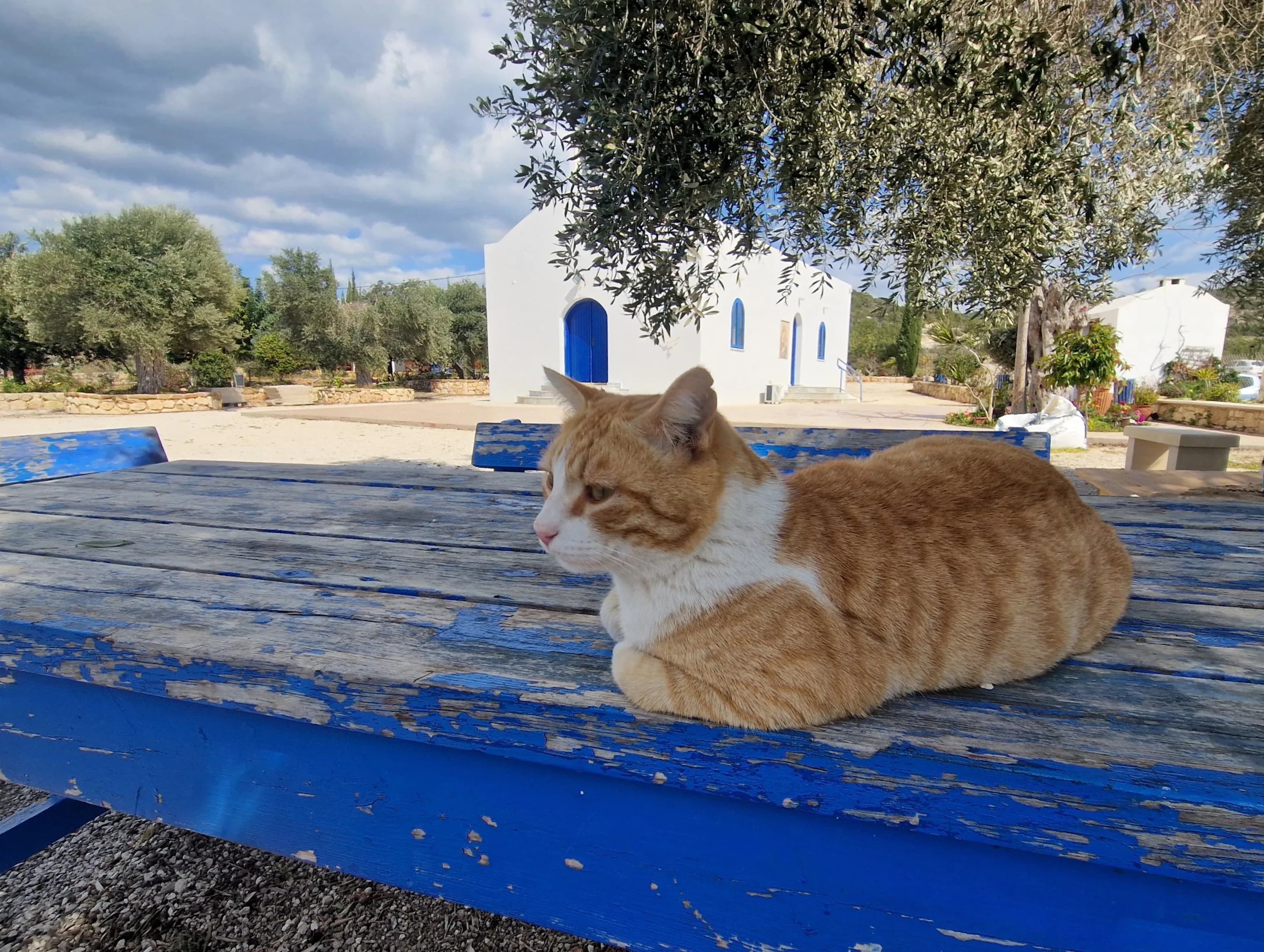 CyprusFrom Cyprus, where the oldest known burial of a cat alongside a person was found, around nine thousand years old. Large, rangy, and still largely a natural breed.
Chantilly-TiffanyA semi longhaired chocolate cat that was declared extinct twice and brought back both times. Quiet, and it chirps rather than meows.ChartreuxFrench, blue coated, and the coat is woolly rather than silky, breaking in ripples. Famously quiet: many Chartreux barely make a sound at all.ChausieA hybrid of the jungle cat and a domestic, and it shows: long legged, tall eared, built to run. It needs more space and more to do than a house cat.CheetohA cross of the Bengal and the Ocicat, bred for a spotted coat on a big frame. New enough that the standard is still settling.Colorpoint ShorthairA Siamese in point colours the Siamese standard does not admit, red and cream among them. Same build, same voice, same insistence on being in the room.Cornish RexThe coat has no guard hairs at all, only the soft undercoat, waved like corrugated iron. It feels warm in the hand because so little sits between you and the cat.CymricA longhaired Manx, which means tailless or nearly so, from the Isle of Man. The hind legs run longer than the front, so it moves with a rabbit's hop.CyprusFrom Cyprus, where the oldest known burial of a cat alongside a person was found, around nine thousand years old. Large, rangy, and still largely a natural breed.D
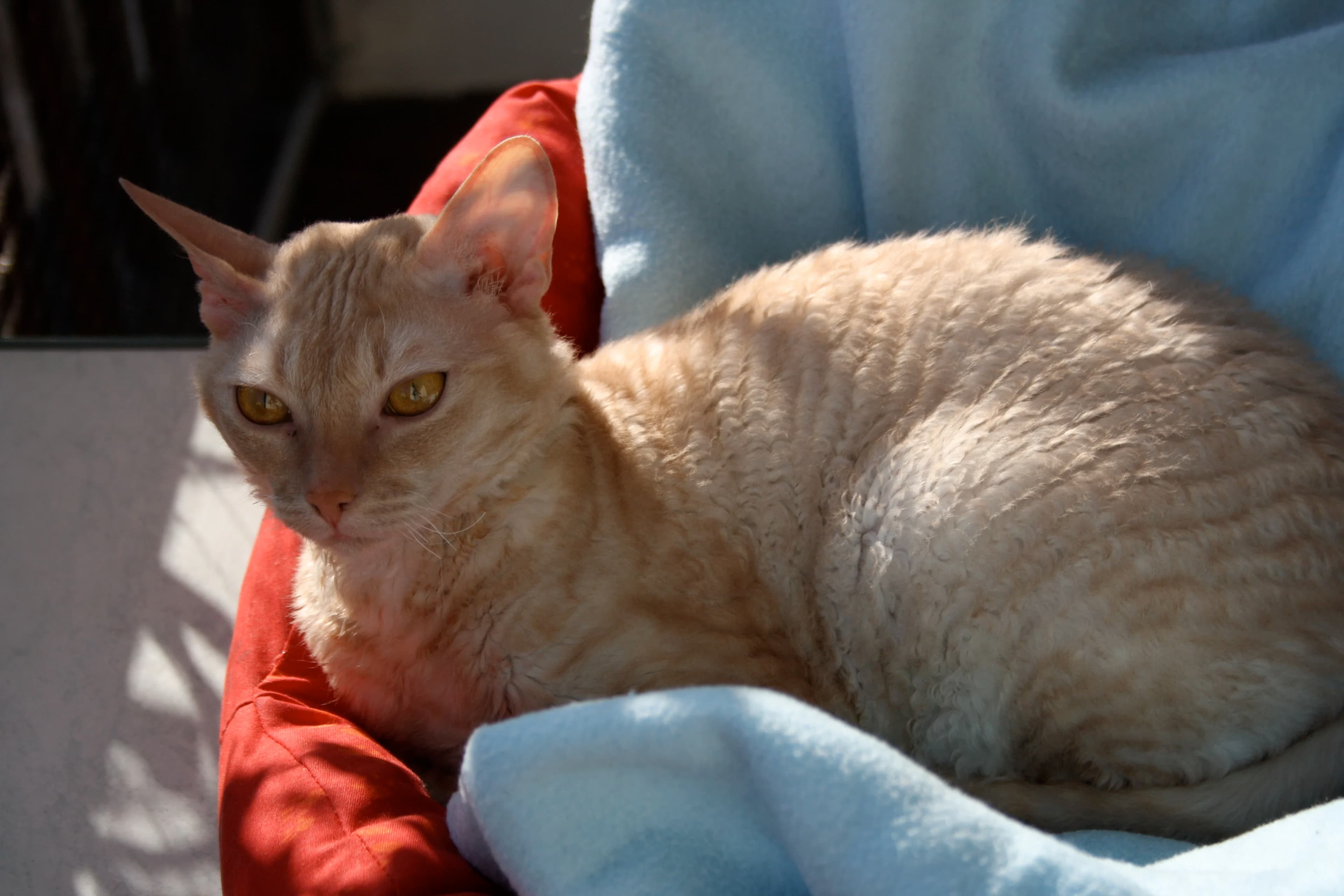
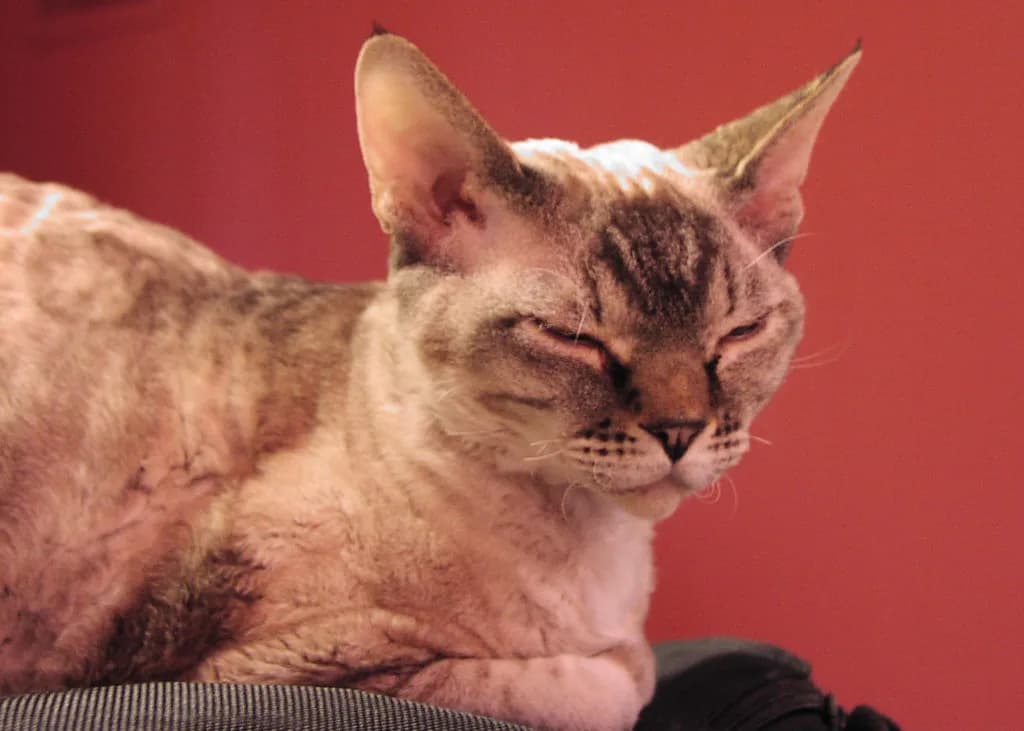 Devon RexEnormous ears on a small wedge of a face, and a coat so short and loose it looks unfinished. It rides on shoulders and finds the warmest lap in the house.
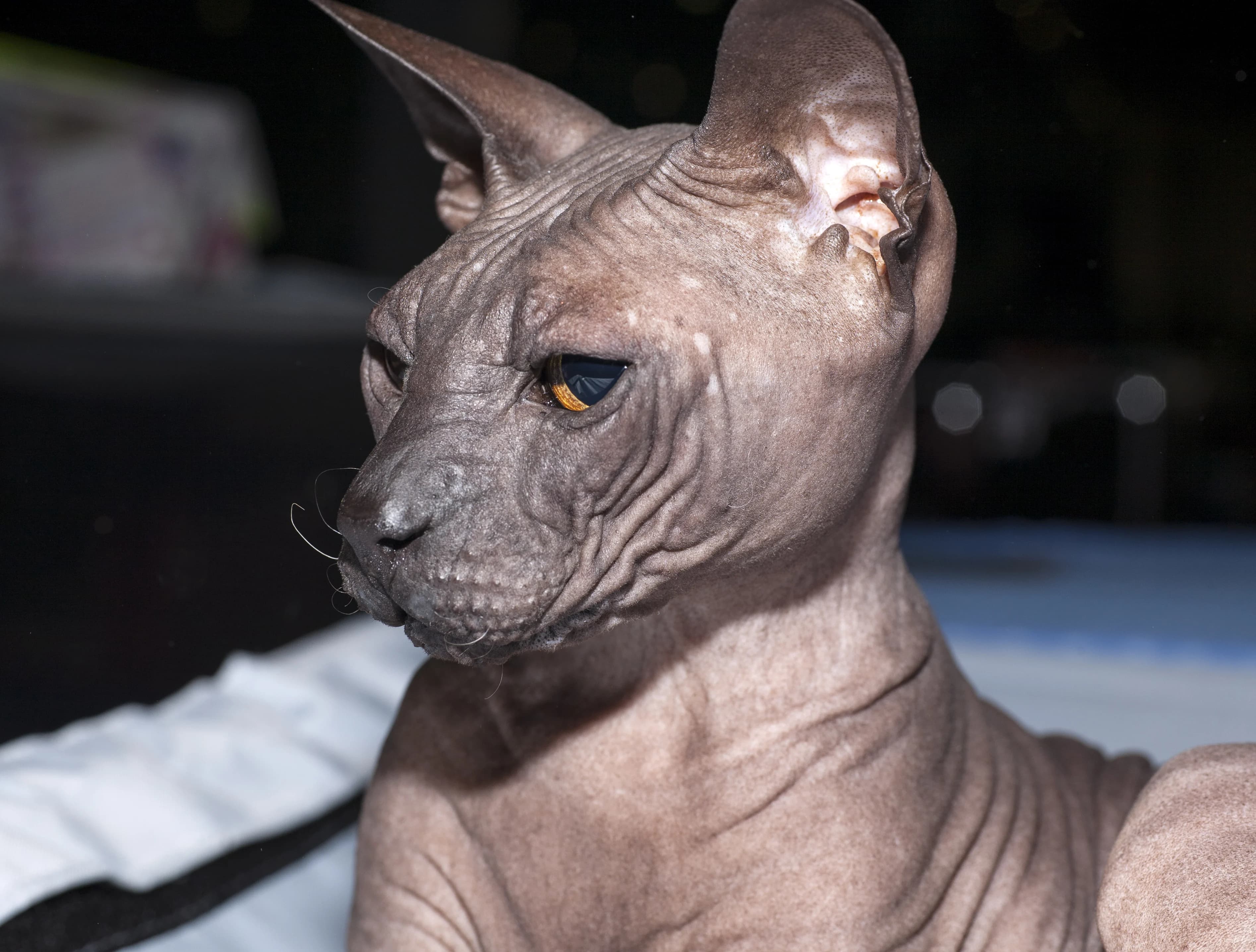 DonskoyRussian, hairless, and by a different gene than the Sphynx: this one is dominant. Some are born with a coat and lose it over their first year.
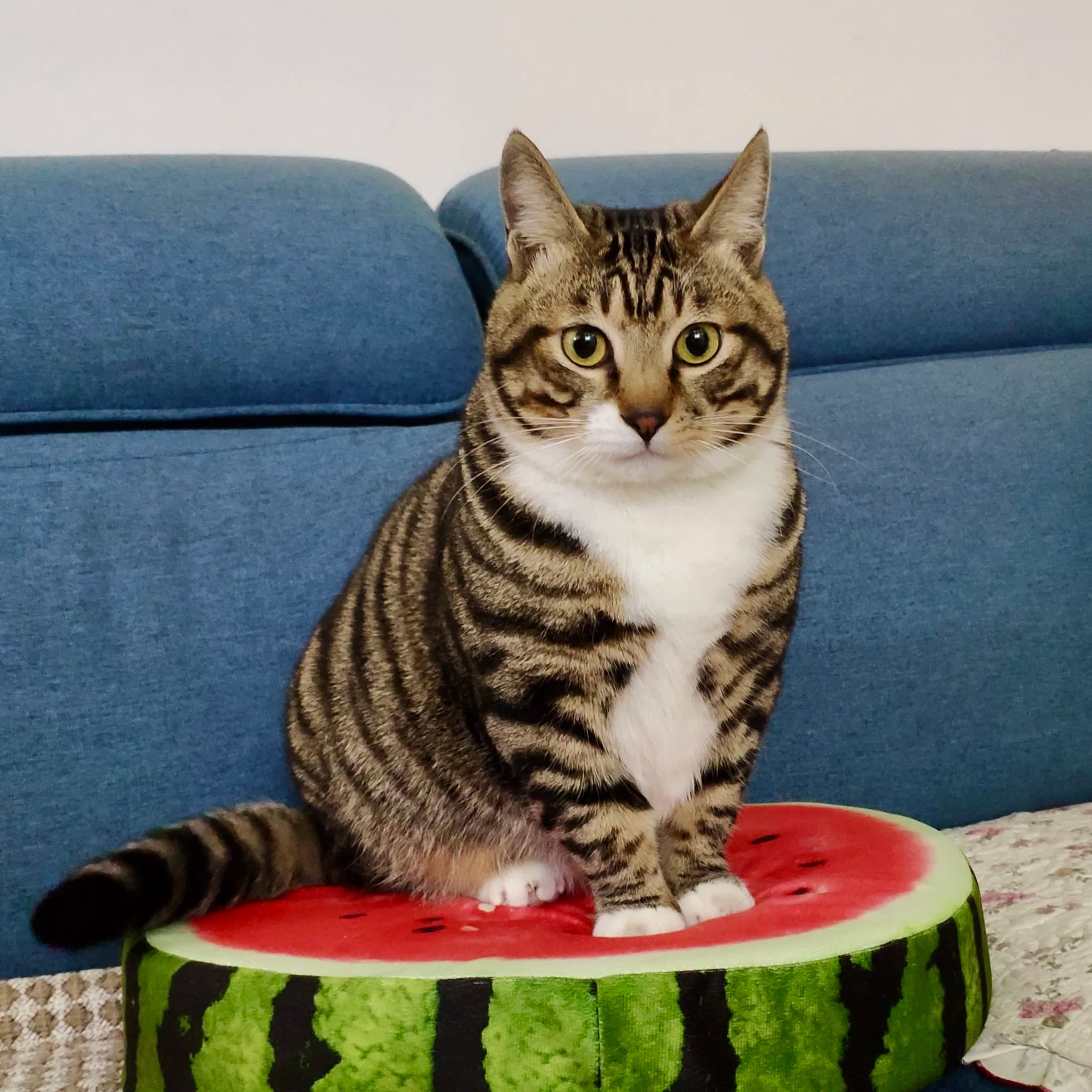 Dragon LiChina's own natural breed, a ticked brown tabby that has been in the country's art for centuries. Independent, and closer to a working cat than a lap cat.DwelfHairless, short legged and curl eared at once, from crossing the Sphynx, the Munchkin and the American Curl. One of the rarest cats in existence.
E
 Egyptian MauThe only domestic breed whose spots are natural rather than bred in. It is also the fastest, helped by a flap of skin behind the knee that lengthens its stride.
 European ShorthairThe ordinary cat of continental Europe, standardised rather than constructed. Hardy, self sufficient, and it will hunt whether or not it has been fed.
 Exotic ShorthairA Persian in a short coat, face and all, which is exactly how it was bred. All the Persian calm and none of the daily grooming.
F
G
H
 Havana BrownSolid warm brown from nose to tail, with brown whiskers, which no other breed requires. Developed in England, and it reaches out a paw to get your attention.
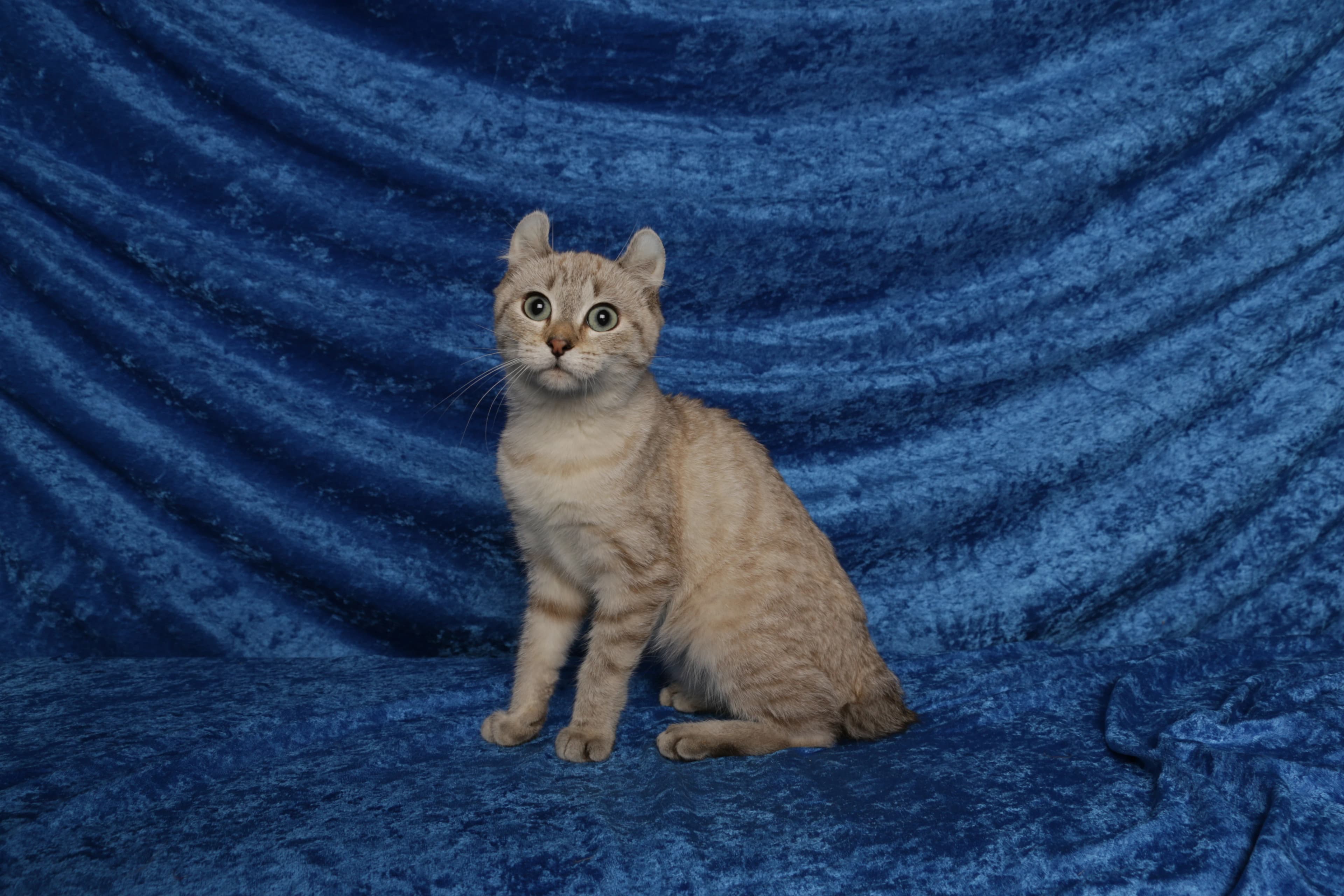 HighlanderCurled ears and a short tail on a big frame, and extra toes are allowed by the standard. A new breed built to look wild with no wild ancestry behind it.
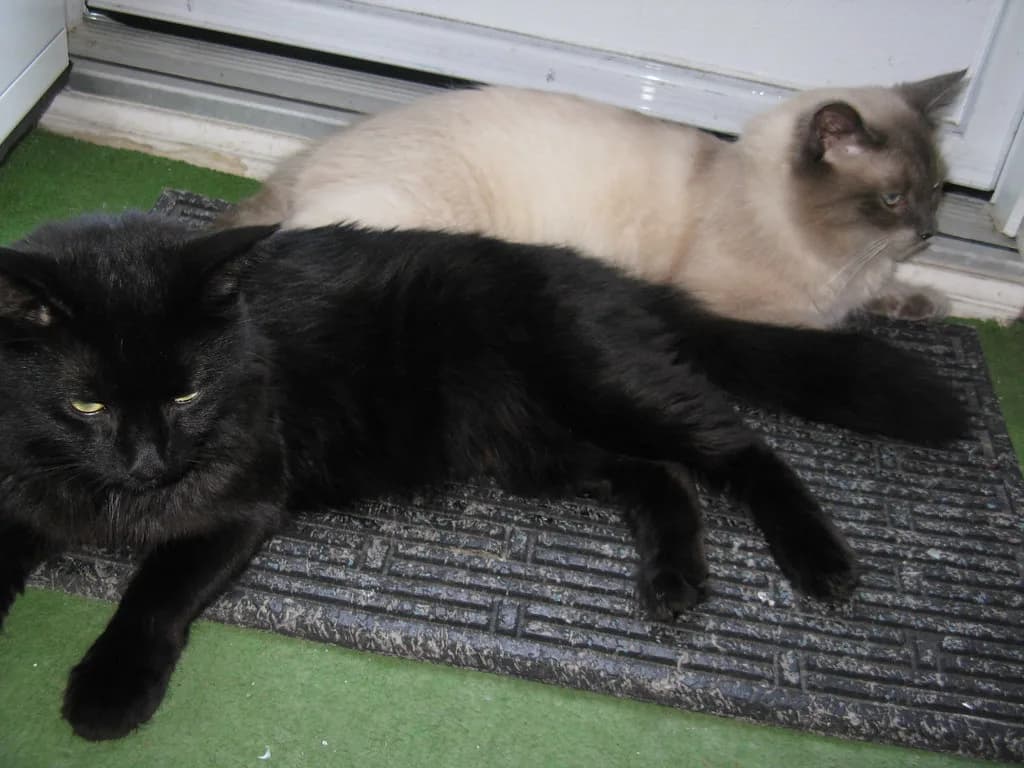 HimalayanA Persian carrying Siamese points, so the long coat comes with a dark mask and blue eyes. Quiet, and it stays on the ground rather than on top of the cupboards.
J
 Japanese BobtailThe tail is a pom rather than a stump, and every one is different. This is the cat of the beckoning figure in Japanese shops, and has been for centuries.
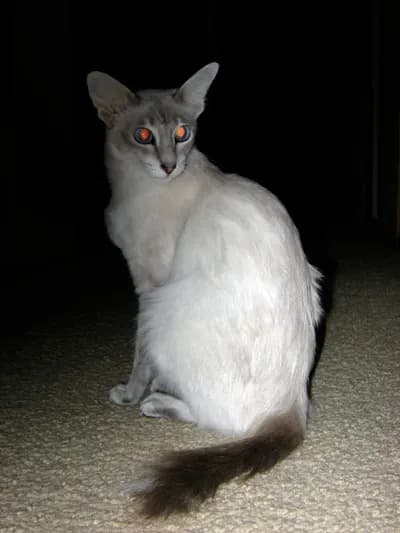 JavaneseA Balinese in the point colours the Balinese standard leaves out. Long coated, fine boned, and as talkative as anything else in the Siamese family.
K
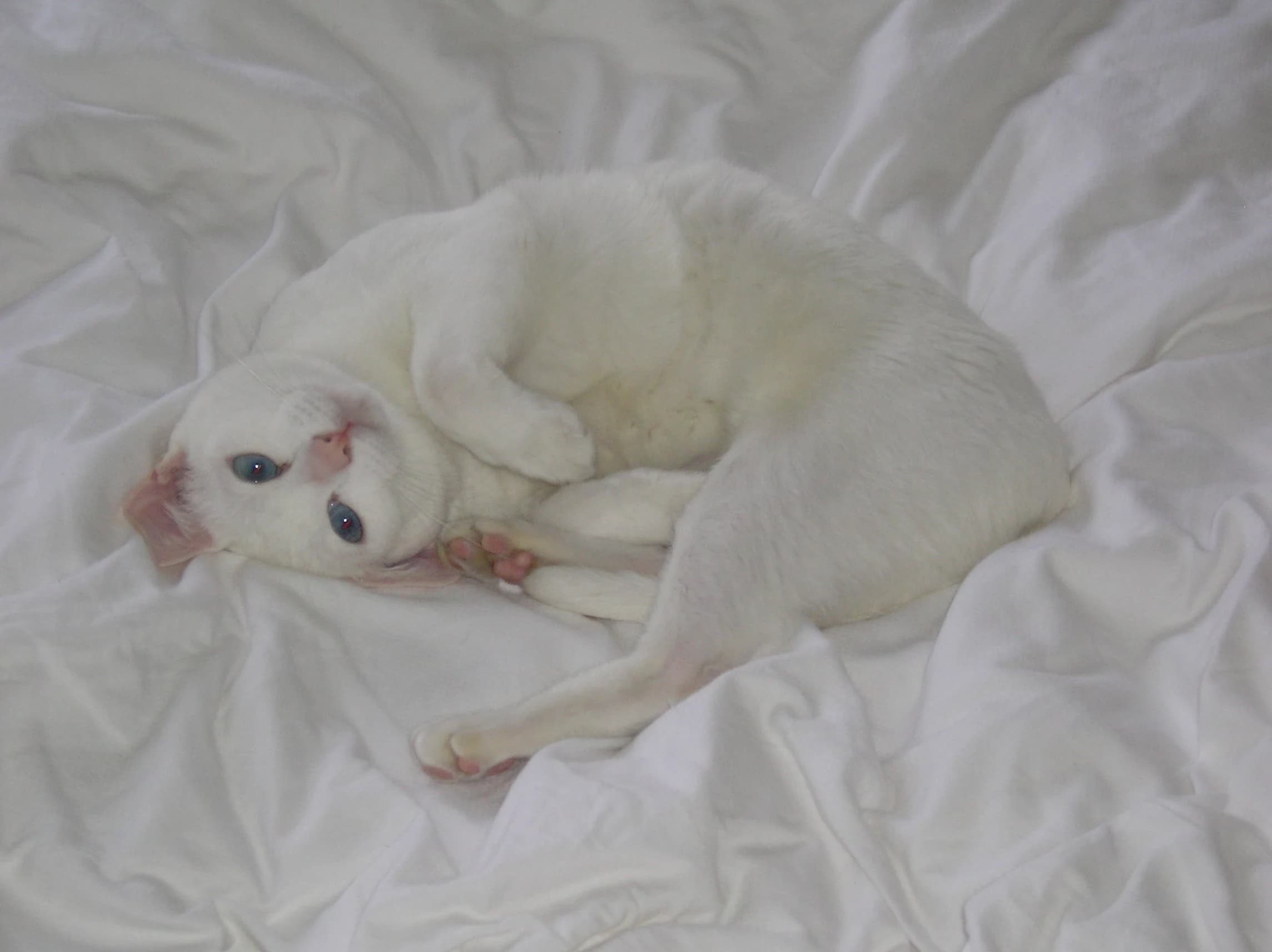 Khao ManeeThai, pure white, and often odd eyed with one blue and one gold. It was a palace cat in Siam and was not exported until the 1990s.
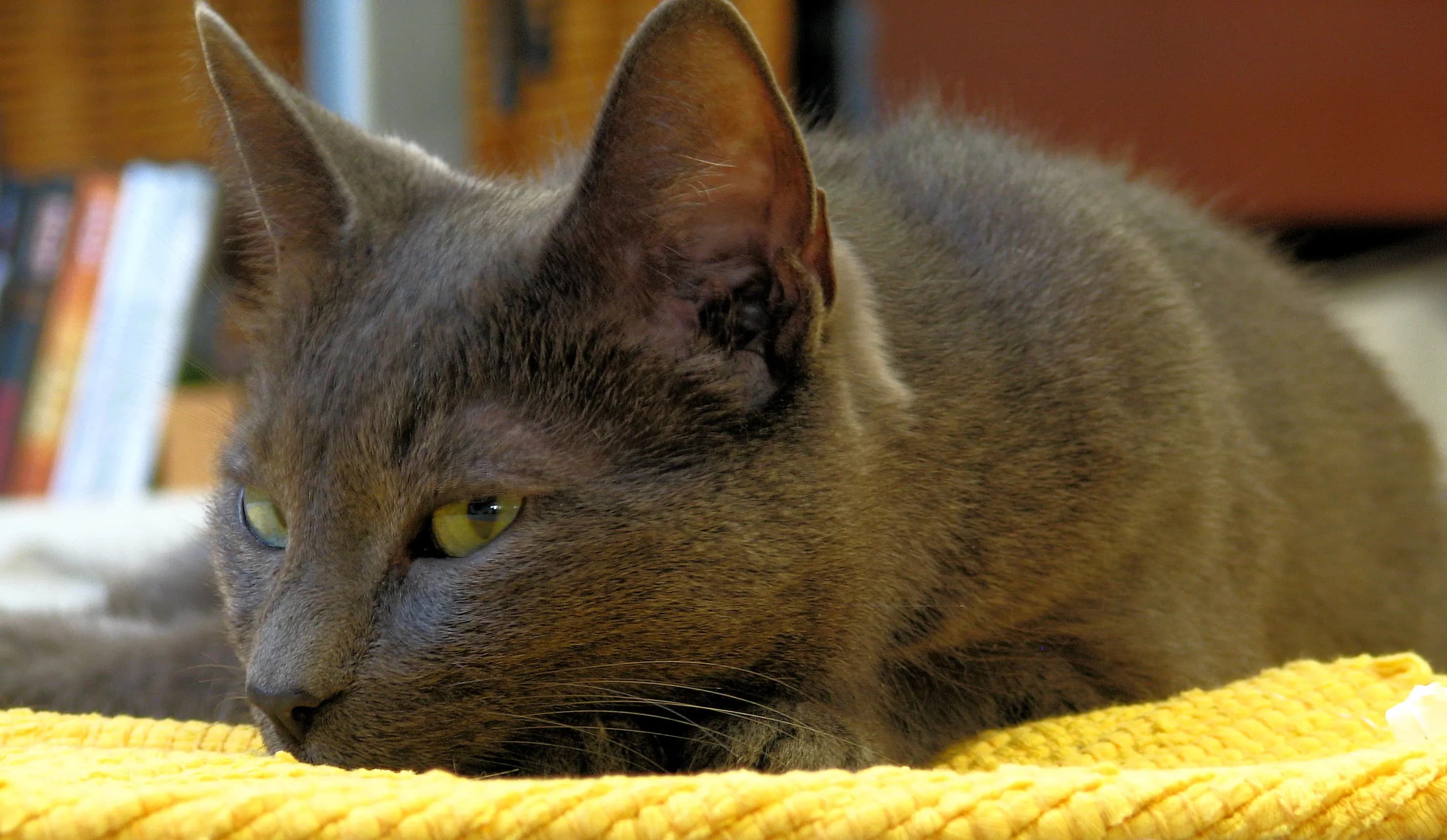 KoratThai, silver blue, and heart shaped through the face. It has been given in pairs as a luck gift for centuries and appears in manuscripts hundreds of years old.Korean BobtailA natural bobtail from Korea, where it has lived alongside people for centuries without anyone breeding for it. The tail is a kink or a pom, never long.
 Kurilian BobtailFrom the Kuril islands between Russia and Japan, where it fishes for itself. The tail is a short pom, and the breed is a serious hunter rather than an ornament.
L
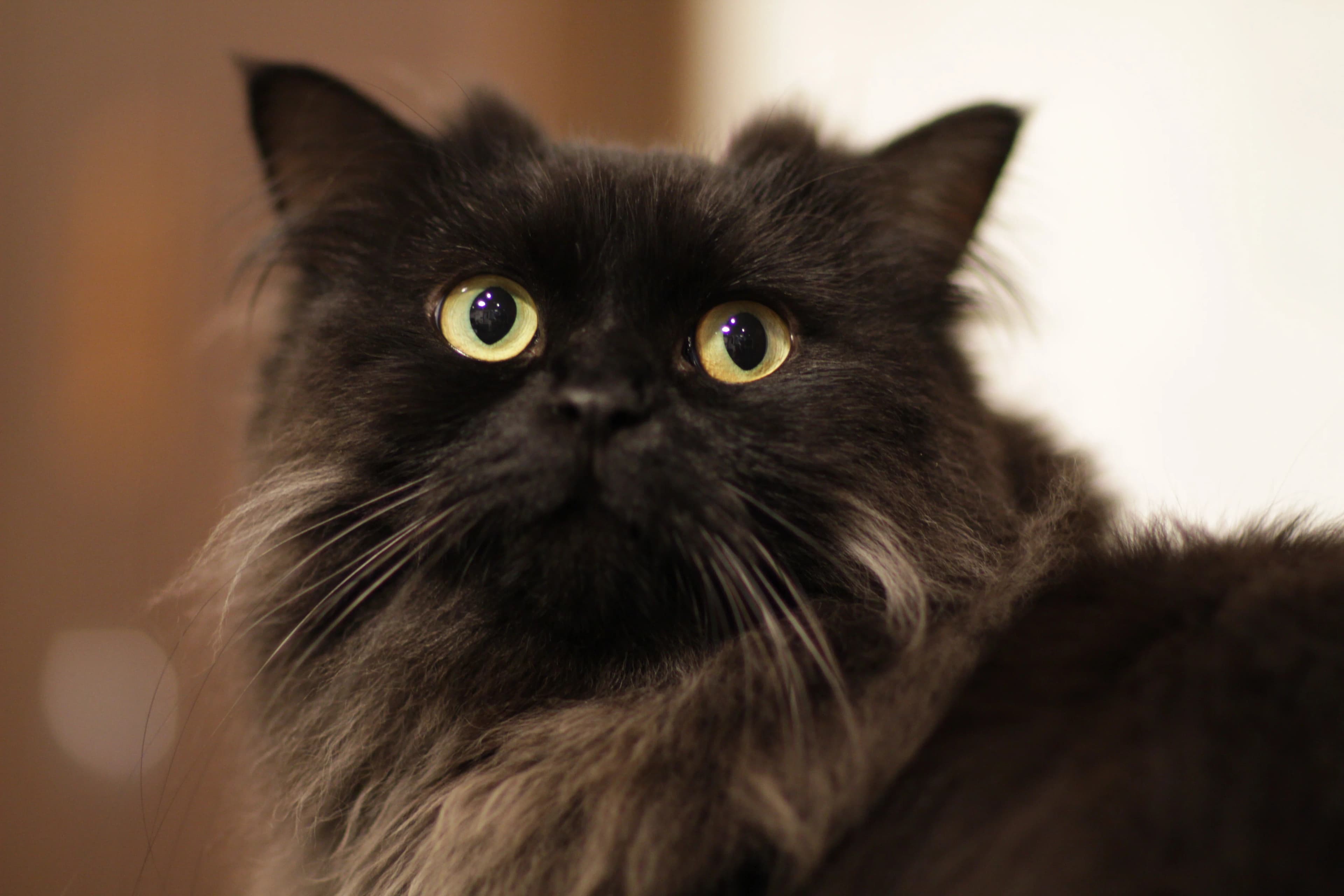 LaPermThe curls trace to a barn kitten born bald in Oregon in 1982. Many LaPerms arrive with no coat at all and grow the curls over their first months.
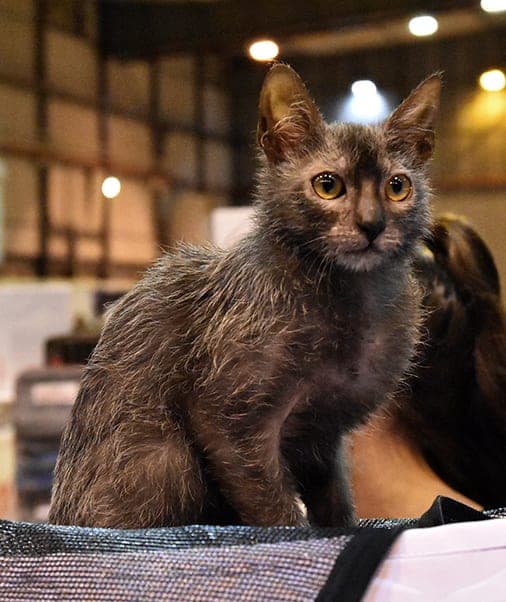 LykoiThe patchy coat is a natural mutation rather than a cross, and it earns the werewolf nickname. A Lykoi moults right down to bare skin and then grows it back.
M
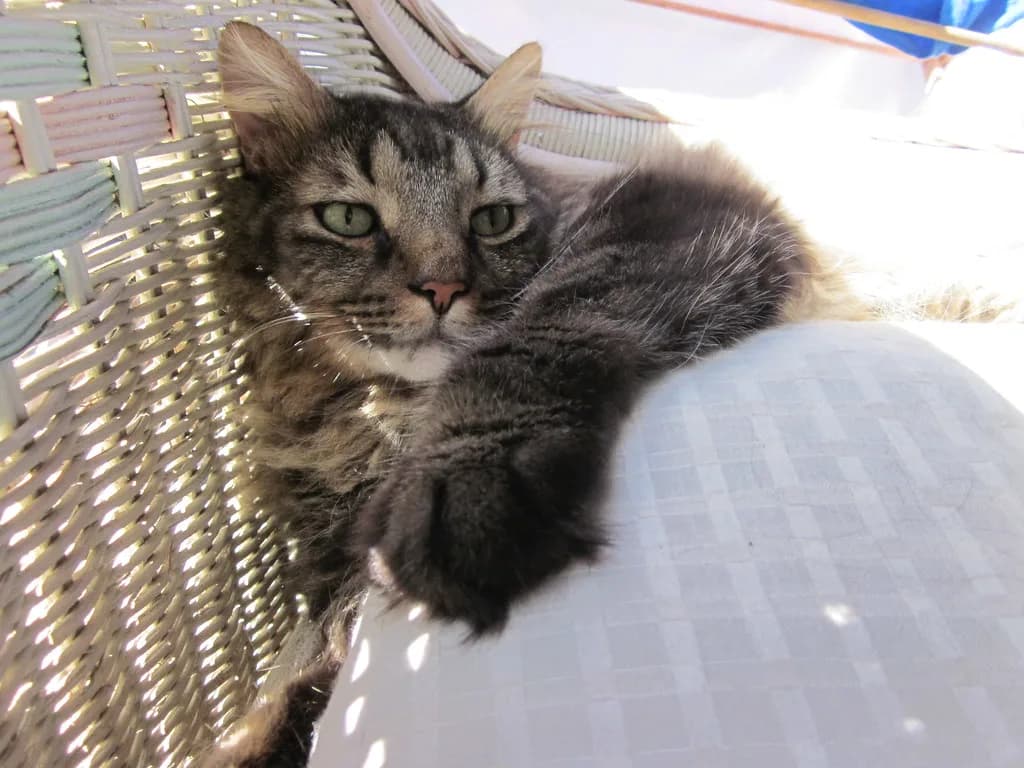 Maine CoonThe largest of the domestic breeds, and it takes four years to reach full size. Tufted ears, a tail like a raccoon's, and a chirp in place of a meow.
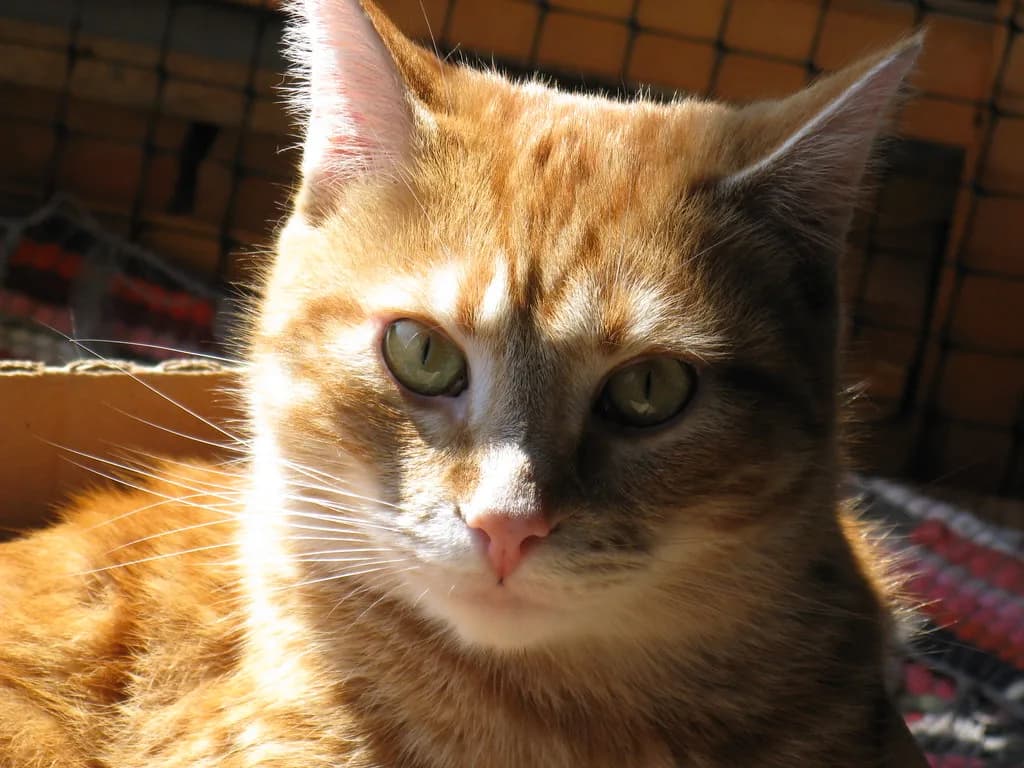 ManxTailless from a mutation on the Isle of Man, where an island population fixed it. Long hind legs give it a hop, and the degrees of tail have their own names.
 Mekong BobtailA colourpointed bobtail from the Mekong region, once a temple cat of Siam. The tail is kinked, and no two kinks are alike.
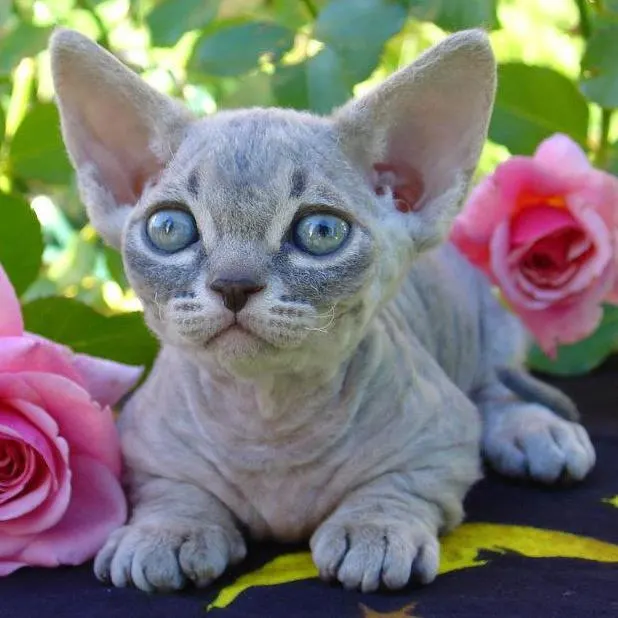 MinskinShort legged, and furred only at the points: face, ears, legs and tail, with bare skin between. Developed in Boston from the Munchkin and the Sphynx.
N
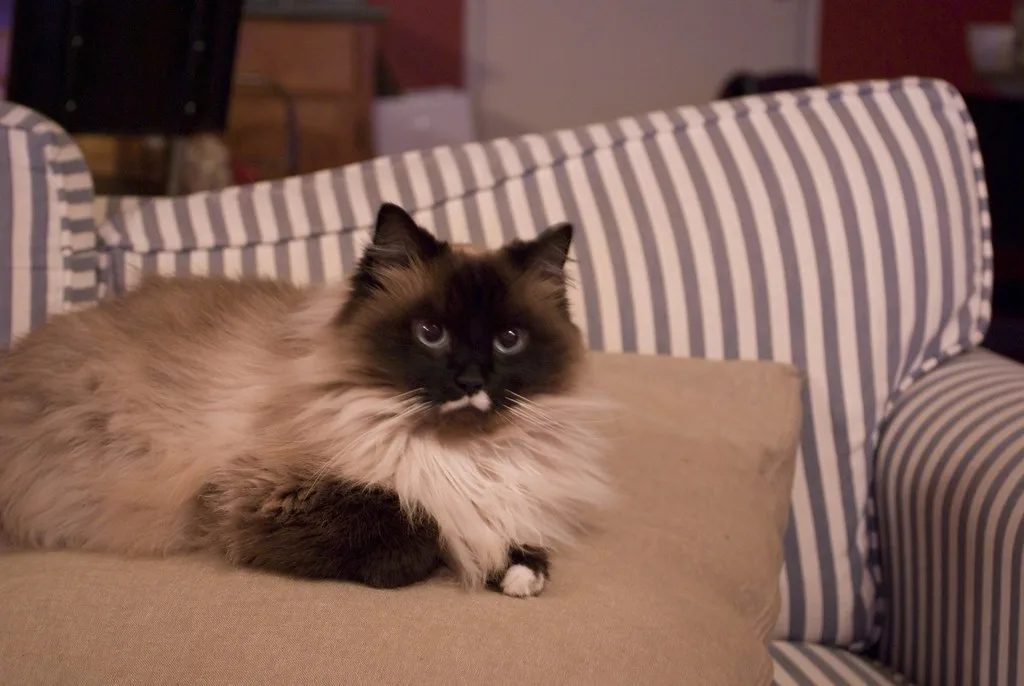 NapoleonShort legs from the Munchkin and a round Persian face, now registered as the Minuet. It keeps the Persian calm at about half the height.
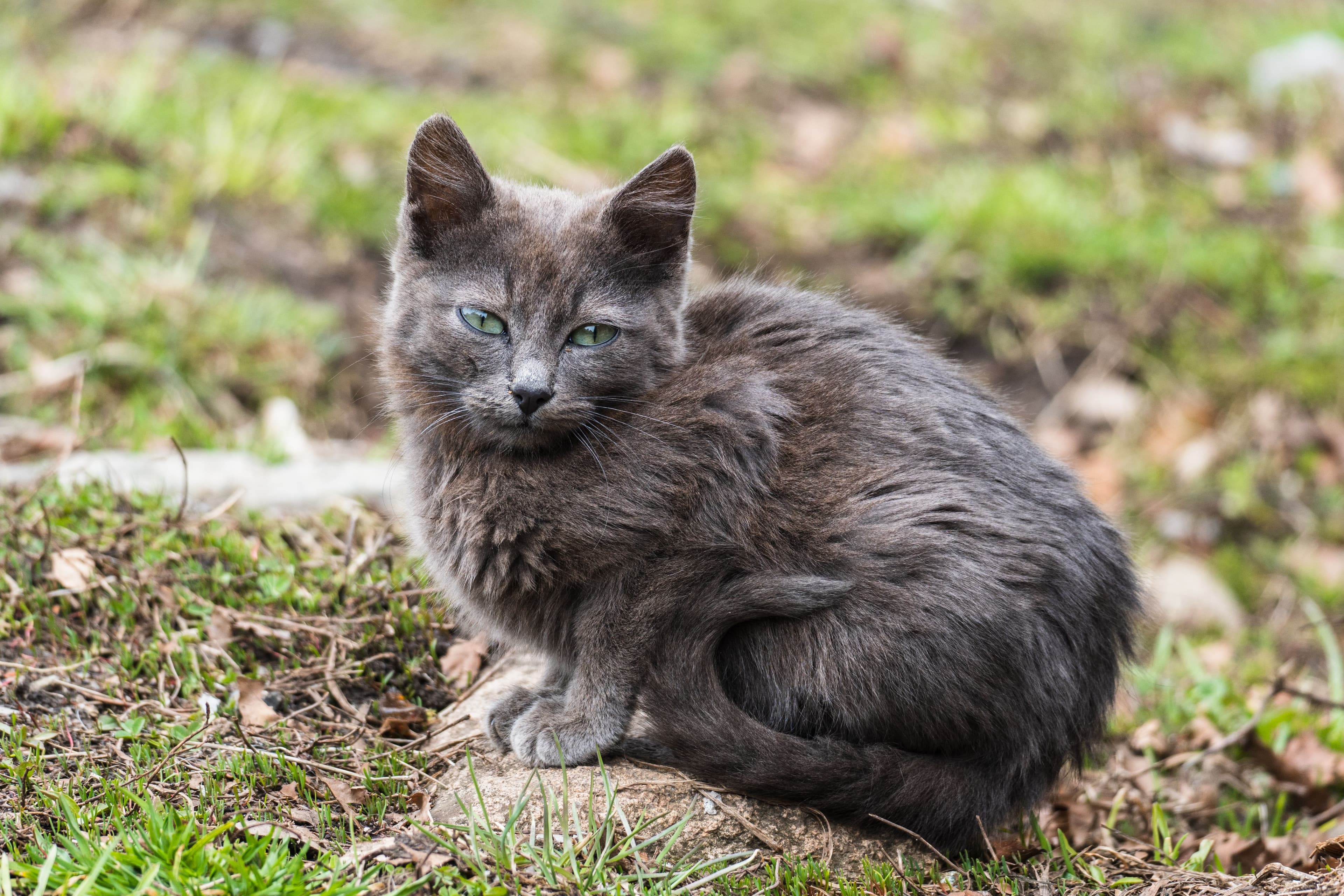 NebelungA longhaired Russian Blue, and the name means creature of mist. Reserved with strangers to the point of vanishing, and devoted to one or two people.
 Norwegian Forest CatBuilt for a Norwegian winter: a water shedding topcoat over a woolly one. It climbs down trees head first, which most cats cannot manage.
O
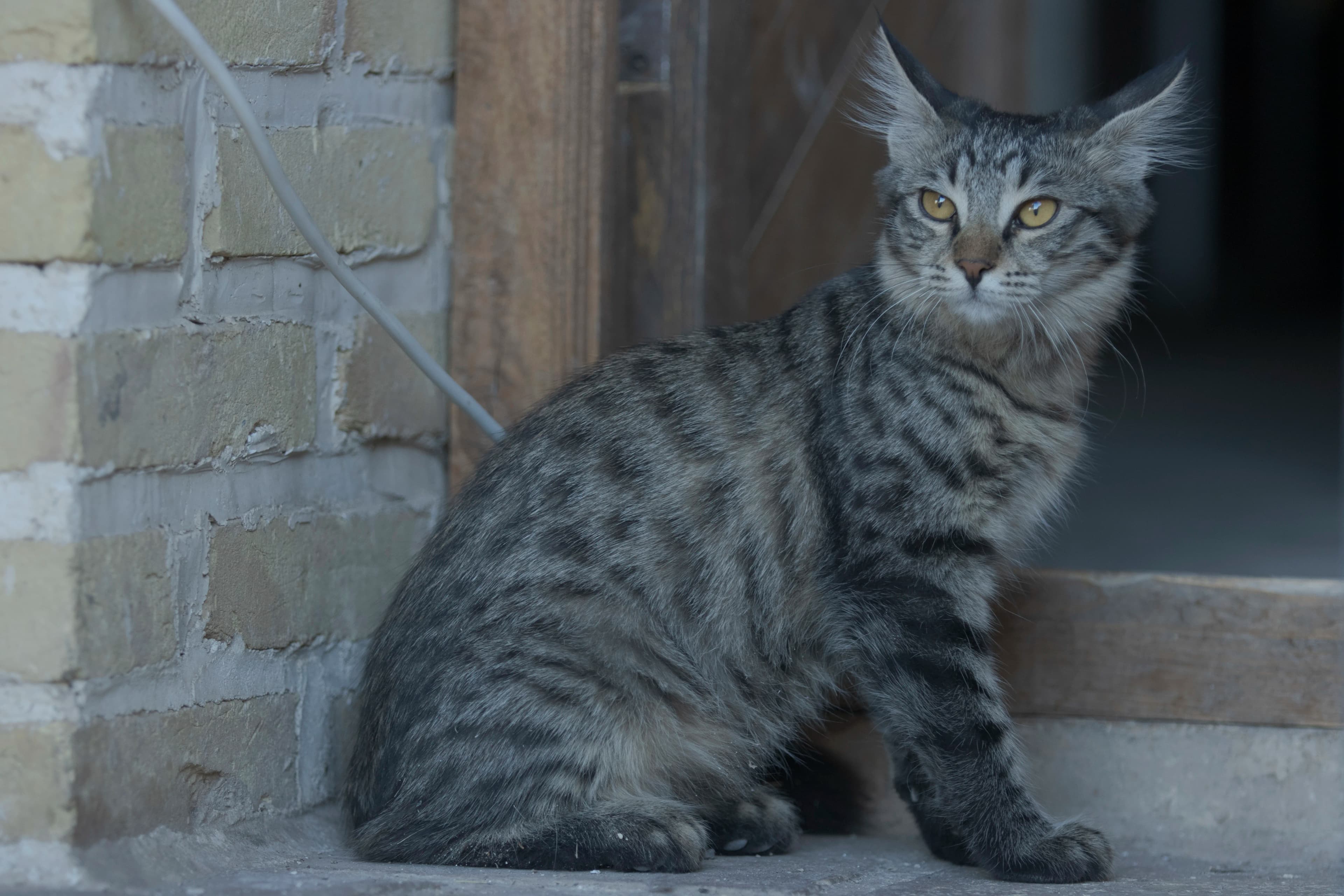 OcicatSpotted like an ocelot with no wild ancestry at all: it came out of an Abyssinian and Siamese breeding by accident in 1964. Dog like and highly trainable.
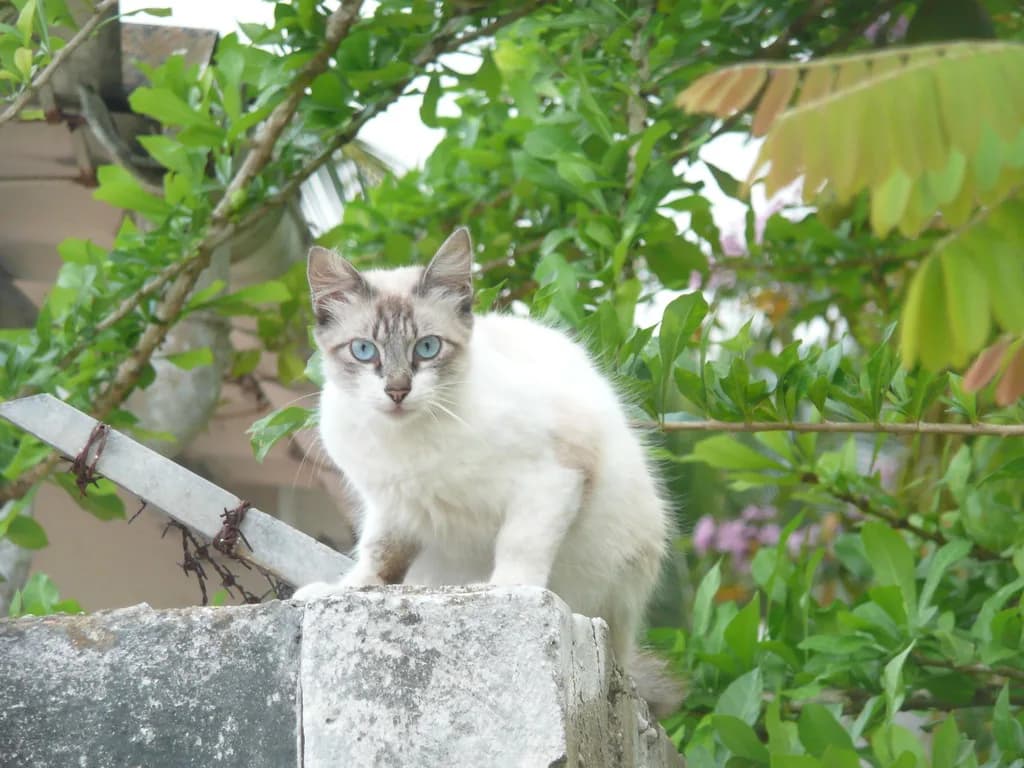 Ojos AzulesDeep blue eyes in any coat colour, which no other breed manages: blue eyes usually come tied to white or to points. One of the rarest cats anywhere.
 Oriental LonghairA Siamese body in solid colours under a long coat, with the same wedge head and huge ears. Hundreds of colour and pattern combinations are recognised.
 Oriental ShorthairA Siamese in every colour except the points, which is how the breed was designed. Loud, busy, and it wants a part in whatever you are doing.
P
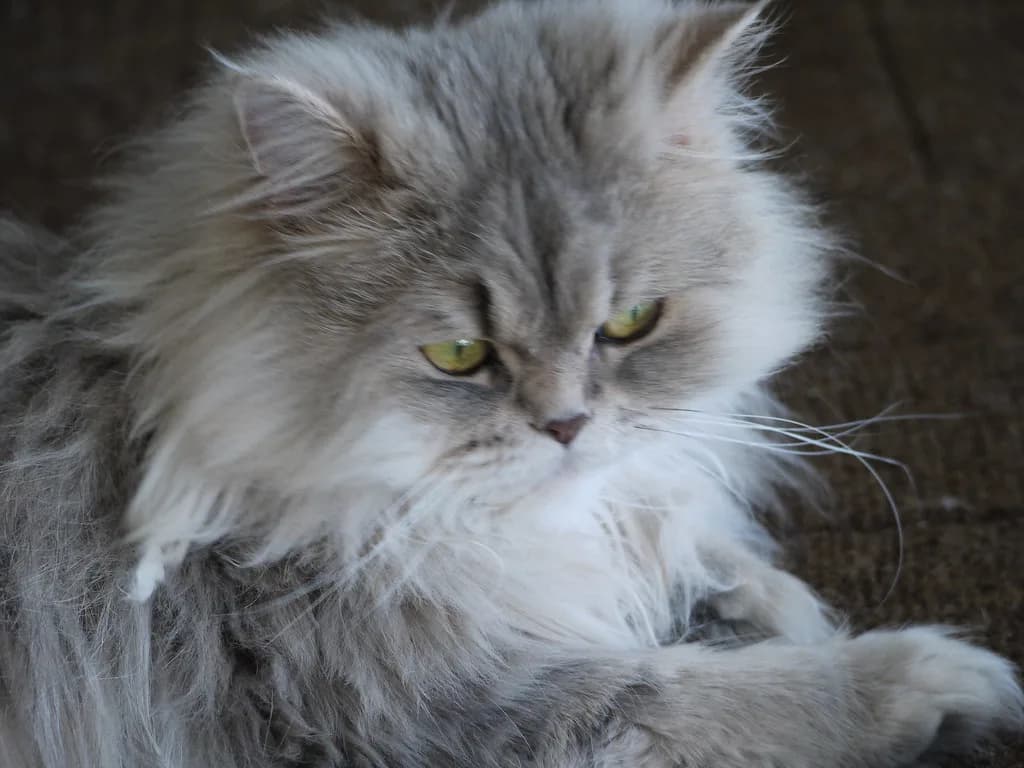 PersianThe long coat needs combing every day, and that is the whole commitment of the breed. Persians want quiet, and they stay on the furniture you left them on.
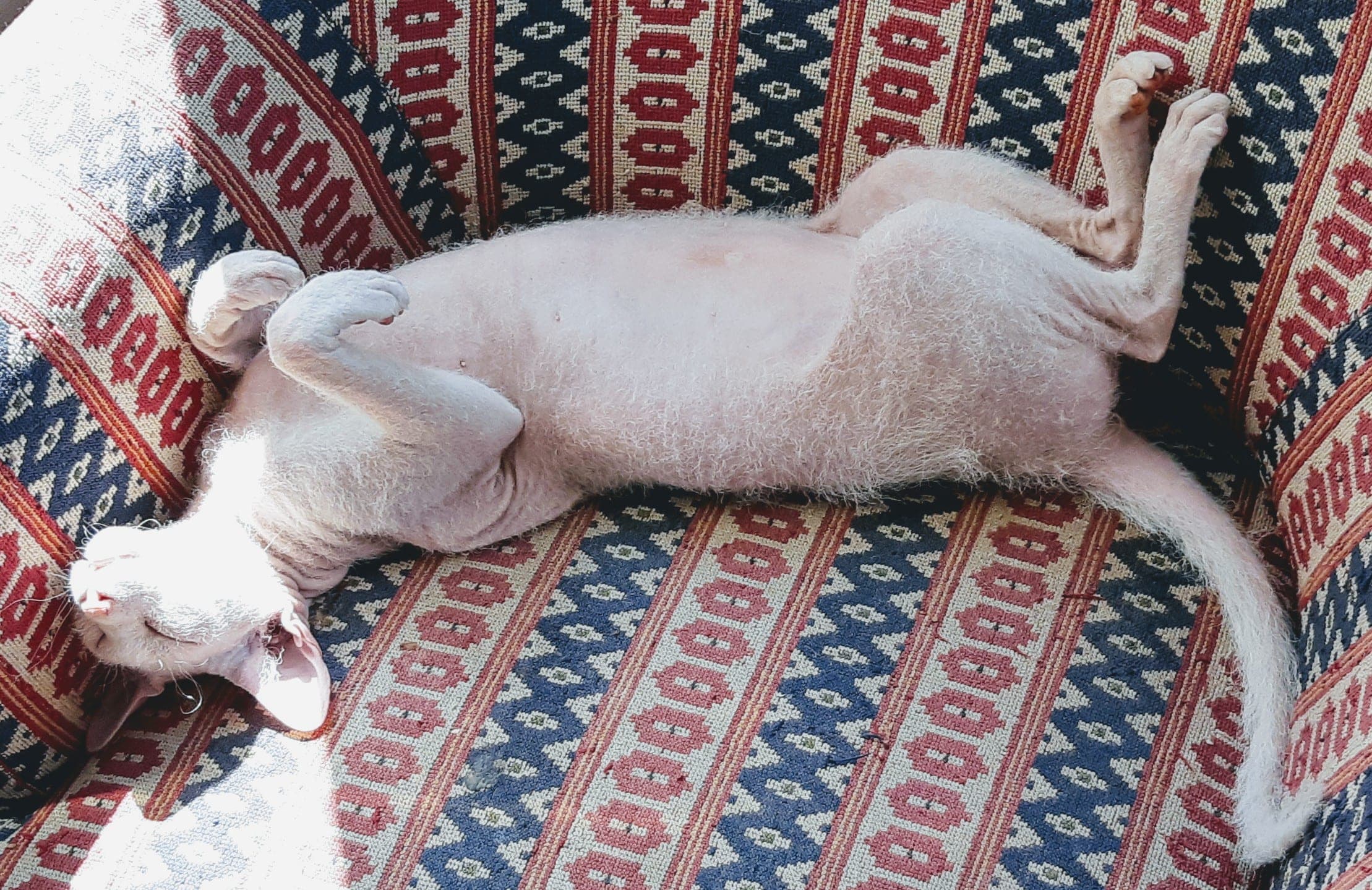 PeterbaldRussian and Oriental in build: a long fine cat that may be bare, downy or brush coated, and can change over its life. The toes are webbed and it uses them.
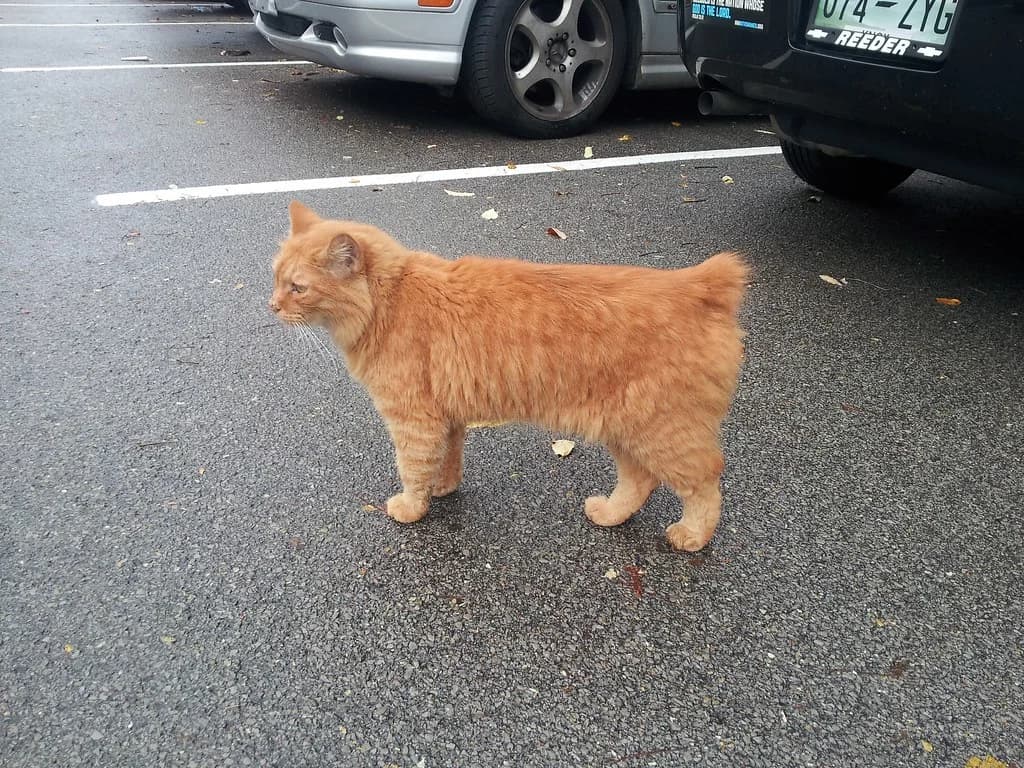 Pixie-bobBred to look like a bobcat, with a short tail and often extra toes: the standard allows up to seven per foot. Entirely domestic, whatever the story says.
R
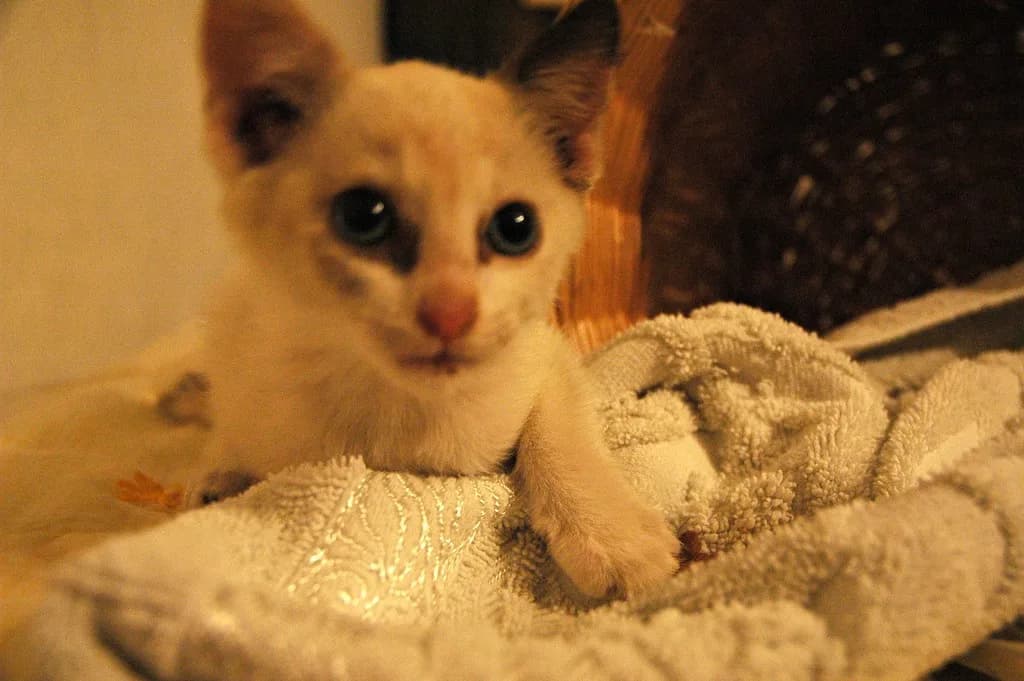 RagamuffinA relative of the Ragdoll in every colour the Ragdoll leaves out. Large, slow to mature, and it goes limp the moment it is picked up.
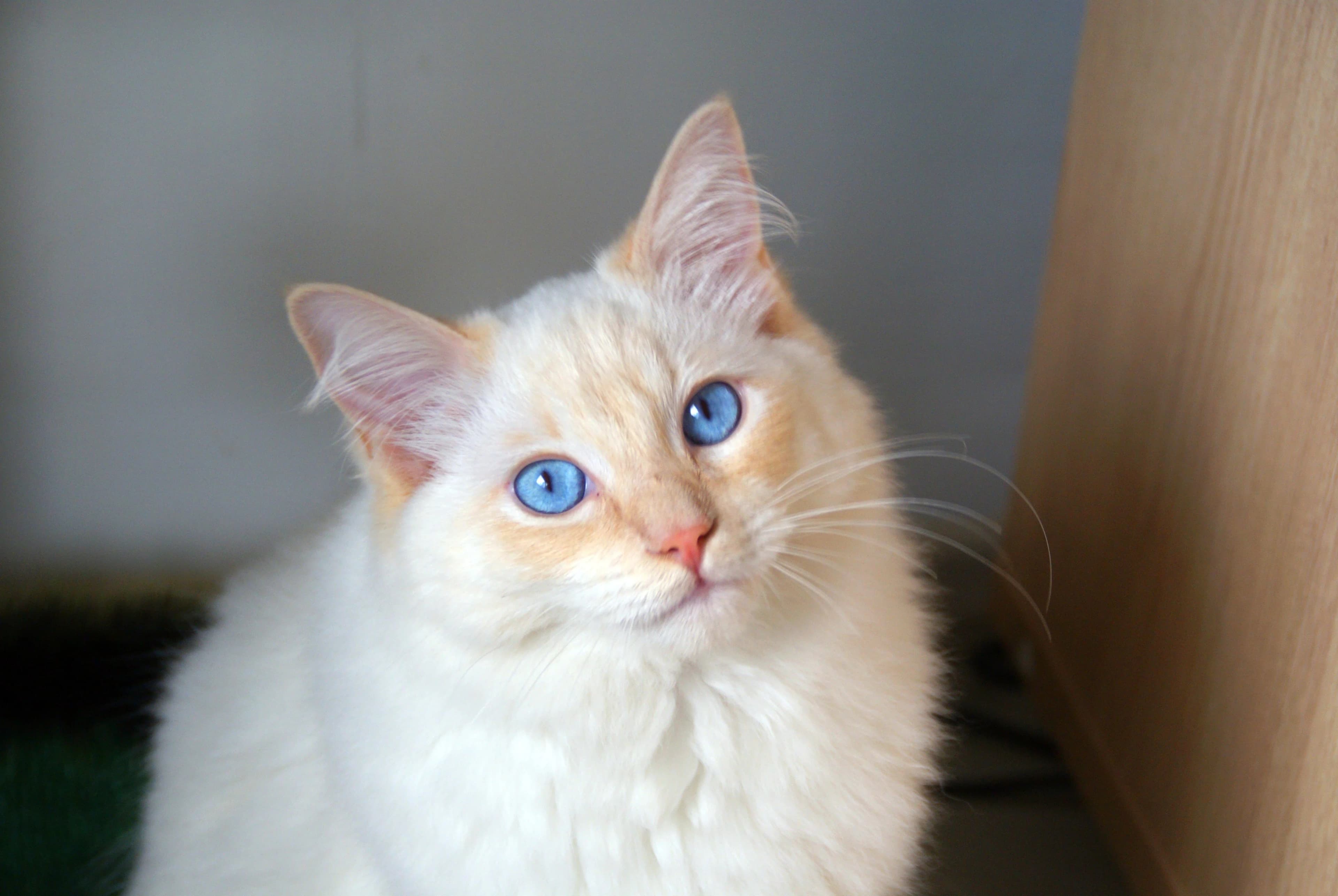 RagdollIt goes limp when you lift it, which is where the name comes from. Blue eyes, a pointed coat, and it meets people at the door.
 Russian BlueA dense double coat tipped with silver, so the blue looks lit from inside. Green eyes, an upturned mouth, and it hides when the doorbell rings.
S
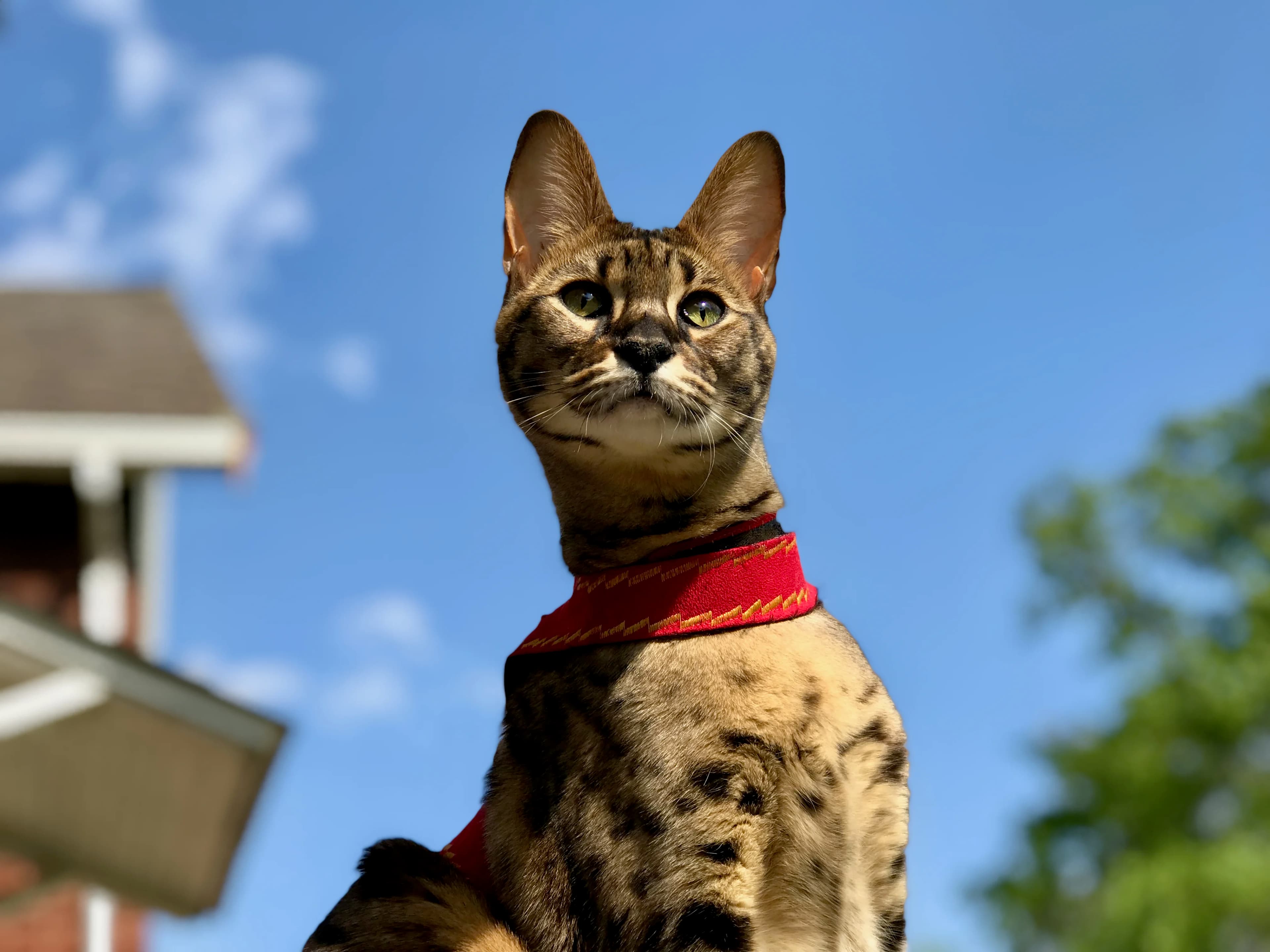 SavannahA serval cross, and the tallest of the domestic cats: an early generation clears eight feet from standing. The generation number says how much wild cat is left.
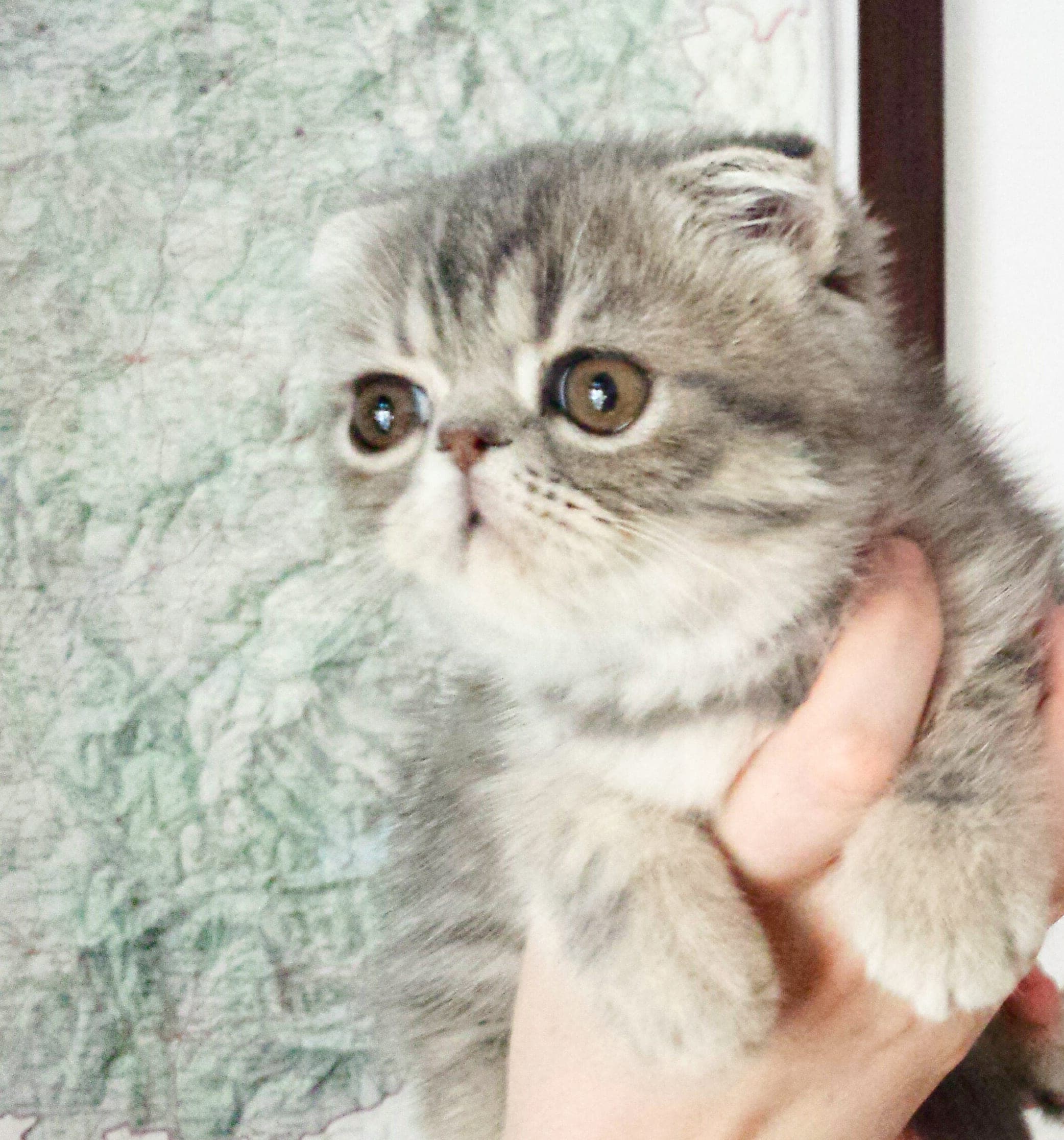
 Scottish FoldThe folded ear comes from a cartilage mutation, and every kitten is born with straight ears that fold at about three weeks. The breed traces to one barn cat.
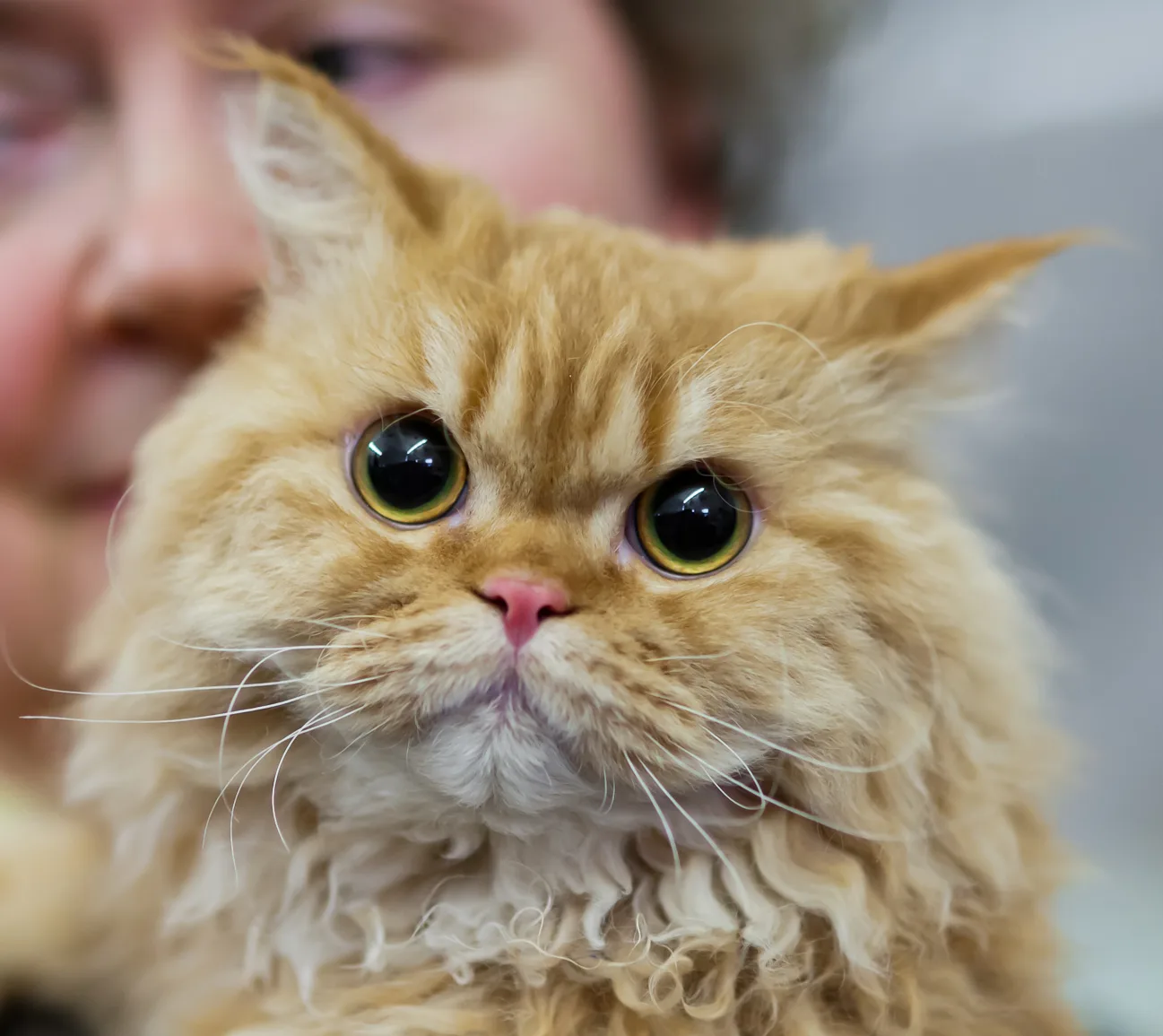 Selkirk RexCurly all over, whiskers included, and the curls loosen and tighten over the first two years. The only rex with a full plush coat rather than a thin one.
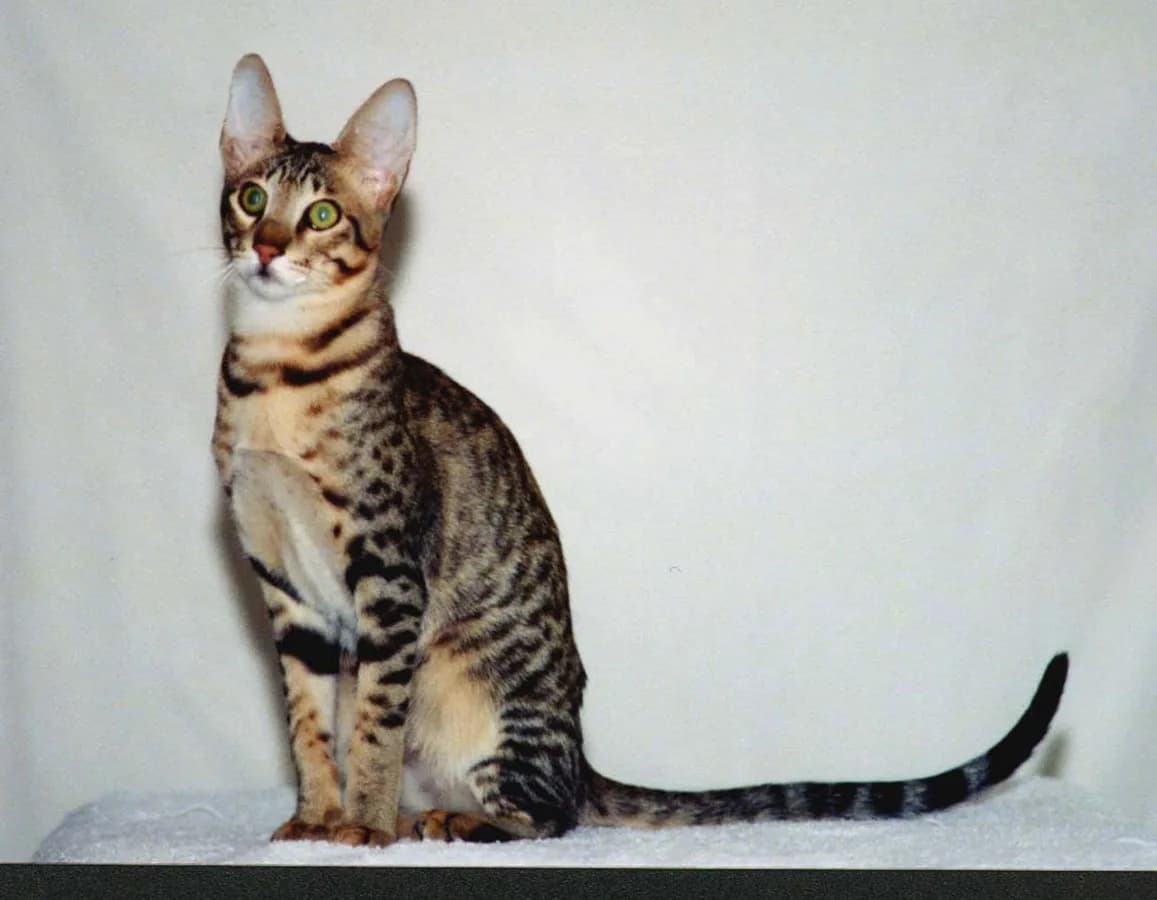 SerengetiBred from the Bengal and the Oriental Shorthair to resemble a serval, with no serval in it. Long legged, huge eared, and it talks like its Oriental half.
 Serrade PetitA small French breed and a genuinely obscure one, barely recorded outside its own country. Fine boned, short coated, and rarely seen at shows anywhere.
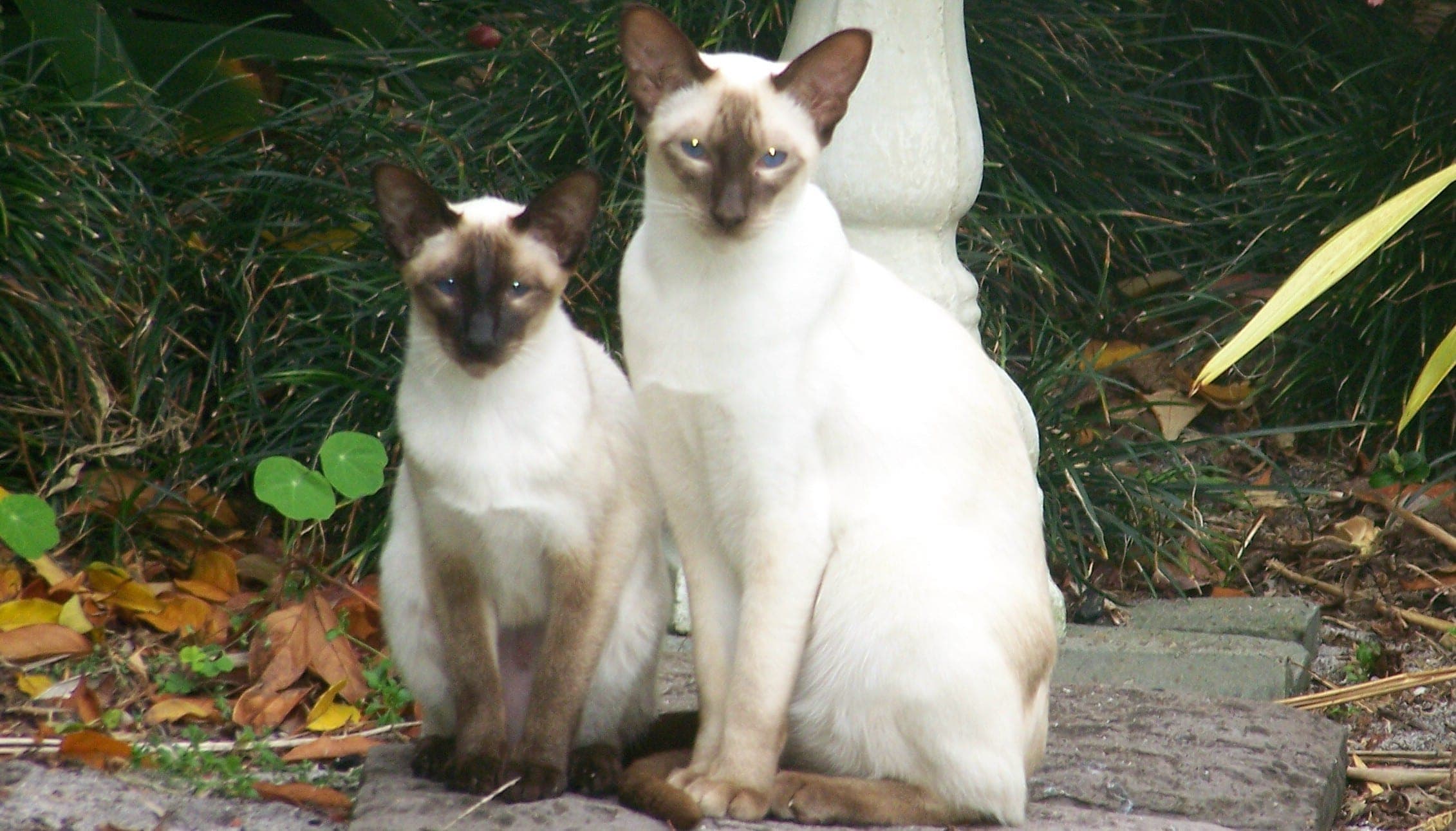 SiameseThe dark points are temperature driven: colour develops only where the body runs cooler, which is why the kittens are born white. Loud, and it expects an answer.
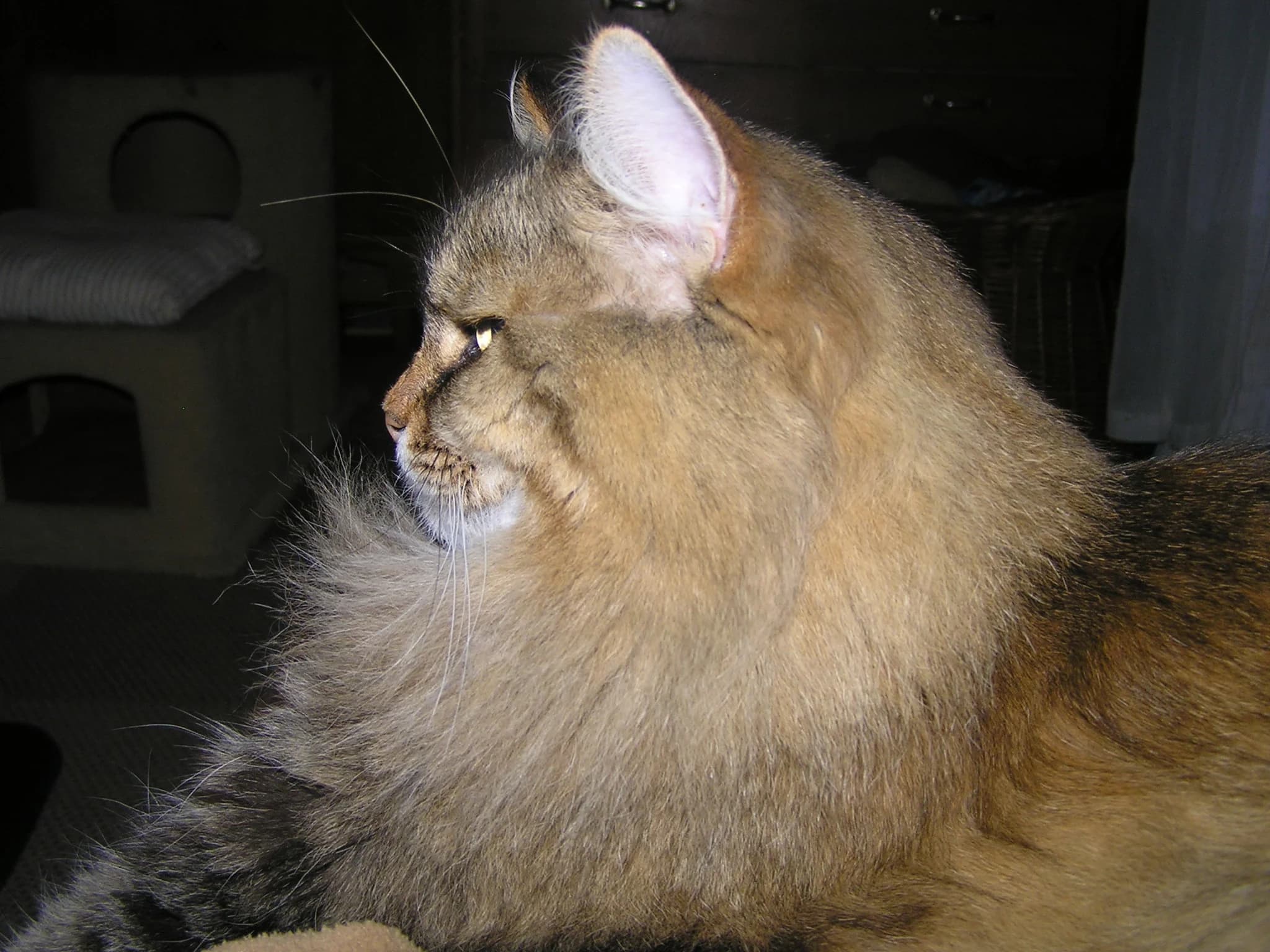 SiberianRussia's native forest cat, with a triple coat that carries it through the winter there. A powerful jumper, slow to mature, and comfortable around water.
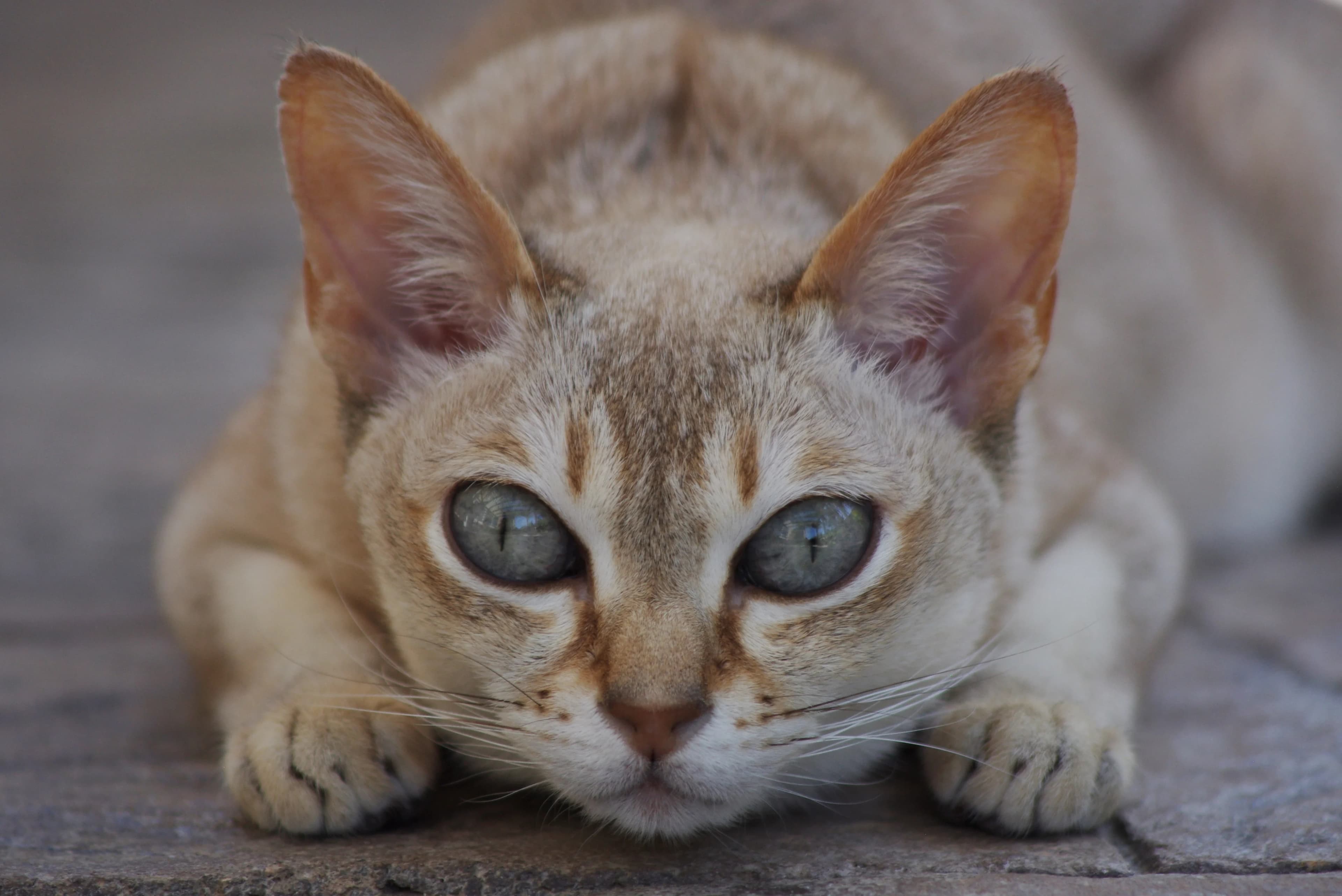 SingapuraThe smallest breed recognised, at four to six pounds full grown. A ticked coat, outsized eyes and ears, and it came off the streets of Singapore.
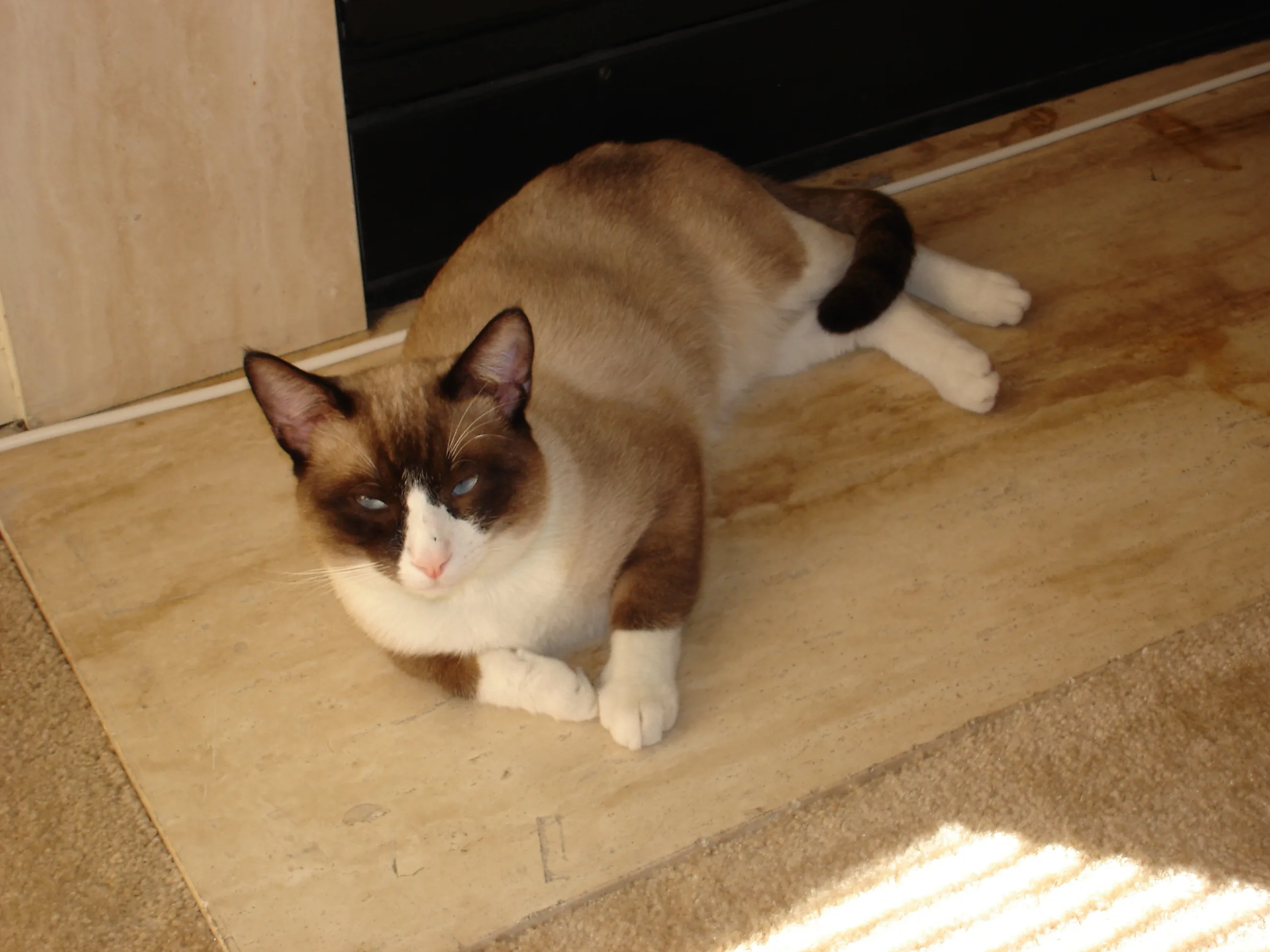 SnowshoeSiamese points with white boots and usually a white V across the face, and the markings are notoriously hard to breed true. Talkative, and many of them like water.
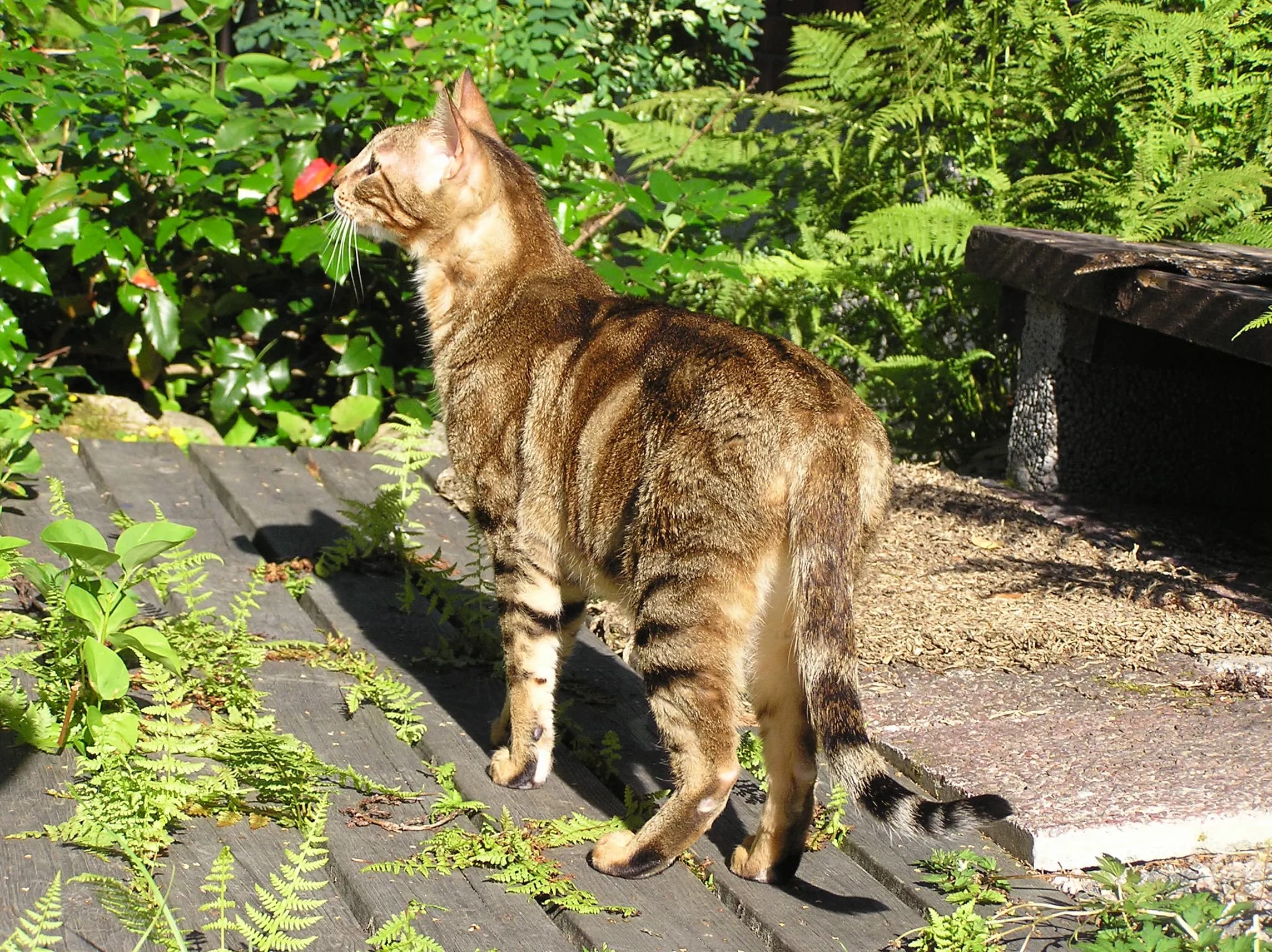 SokokeA natural breed from the Arabuko Sokoke forest in Kenya, and one of the few African cats registered. Lean, hard muscled, and it moves like a wild thing.
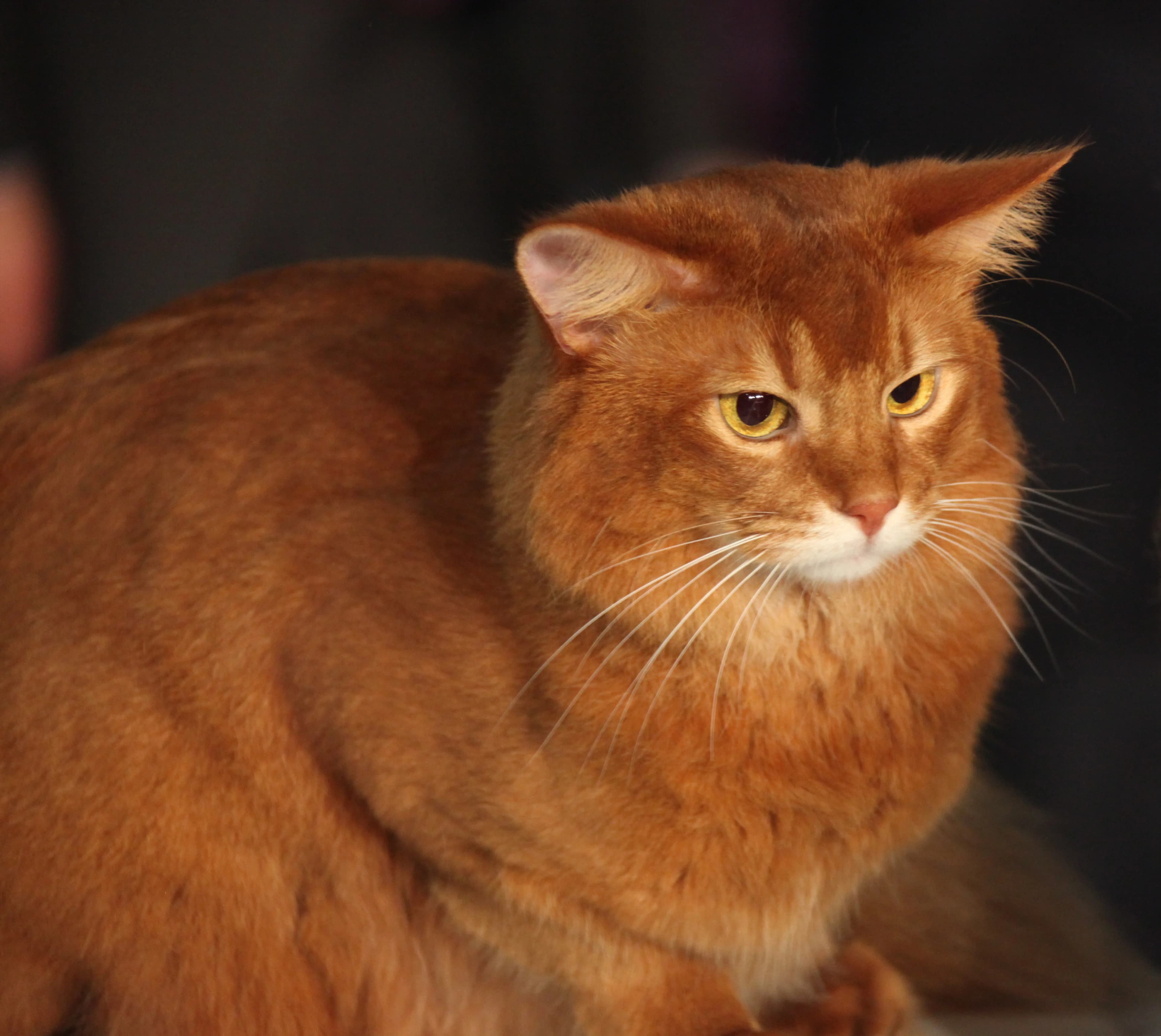 SomaliA longhaired Abyssinian, ticked the same way, with each hair banded several times. The full tail and ruff are why it gets called the fox cat.
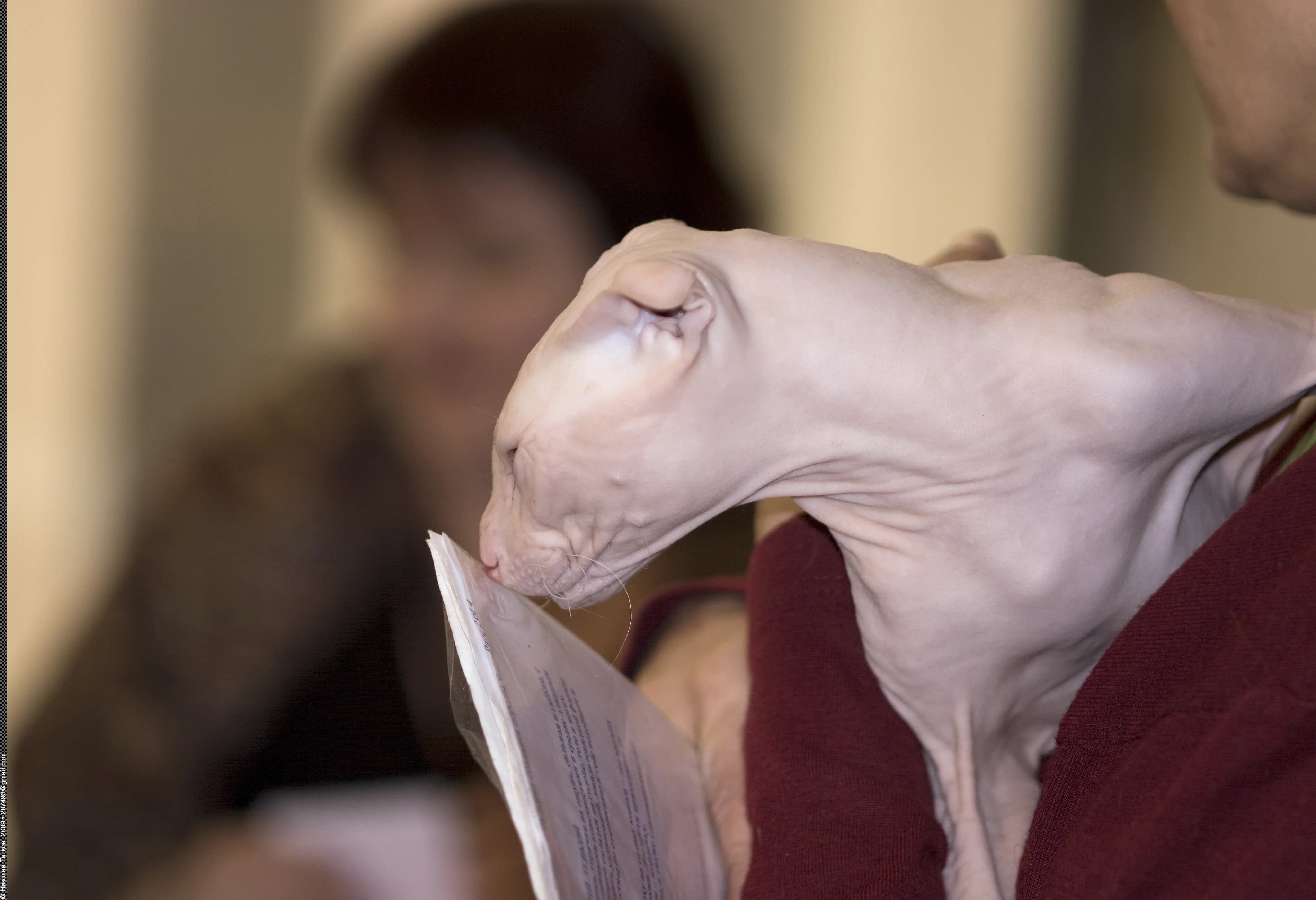
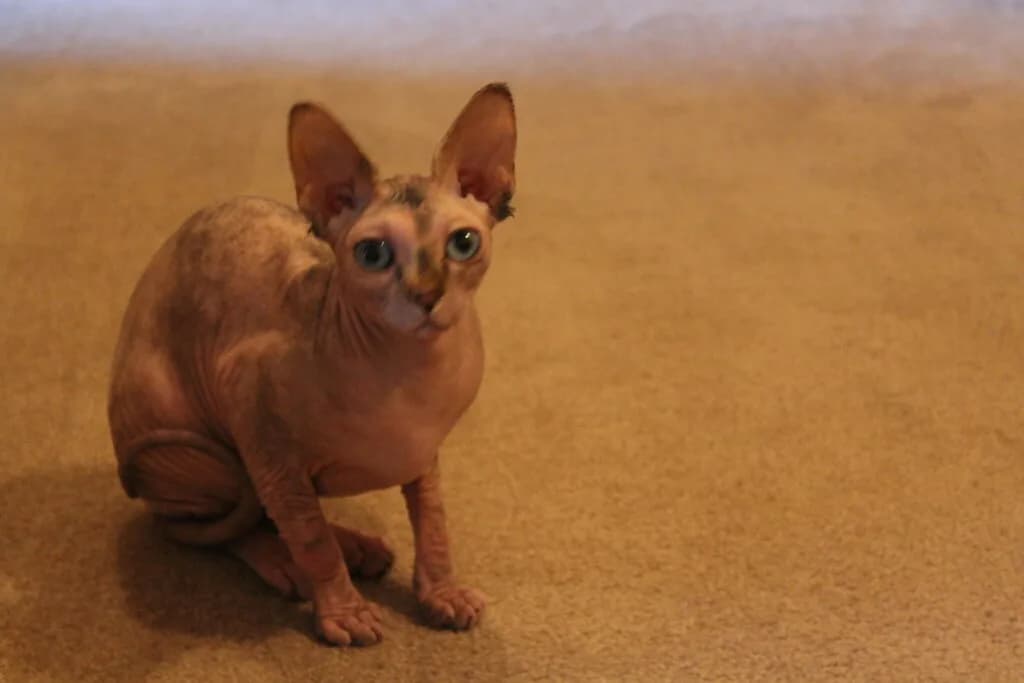 SphynxNot truly bald: there is a fine down, and skin oils build up without a coat, so a Sphynx gets bathed. It runs warm to the touch and looks for laps constantly.
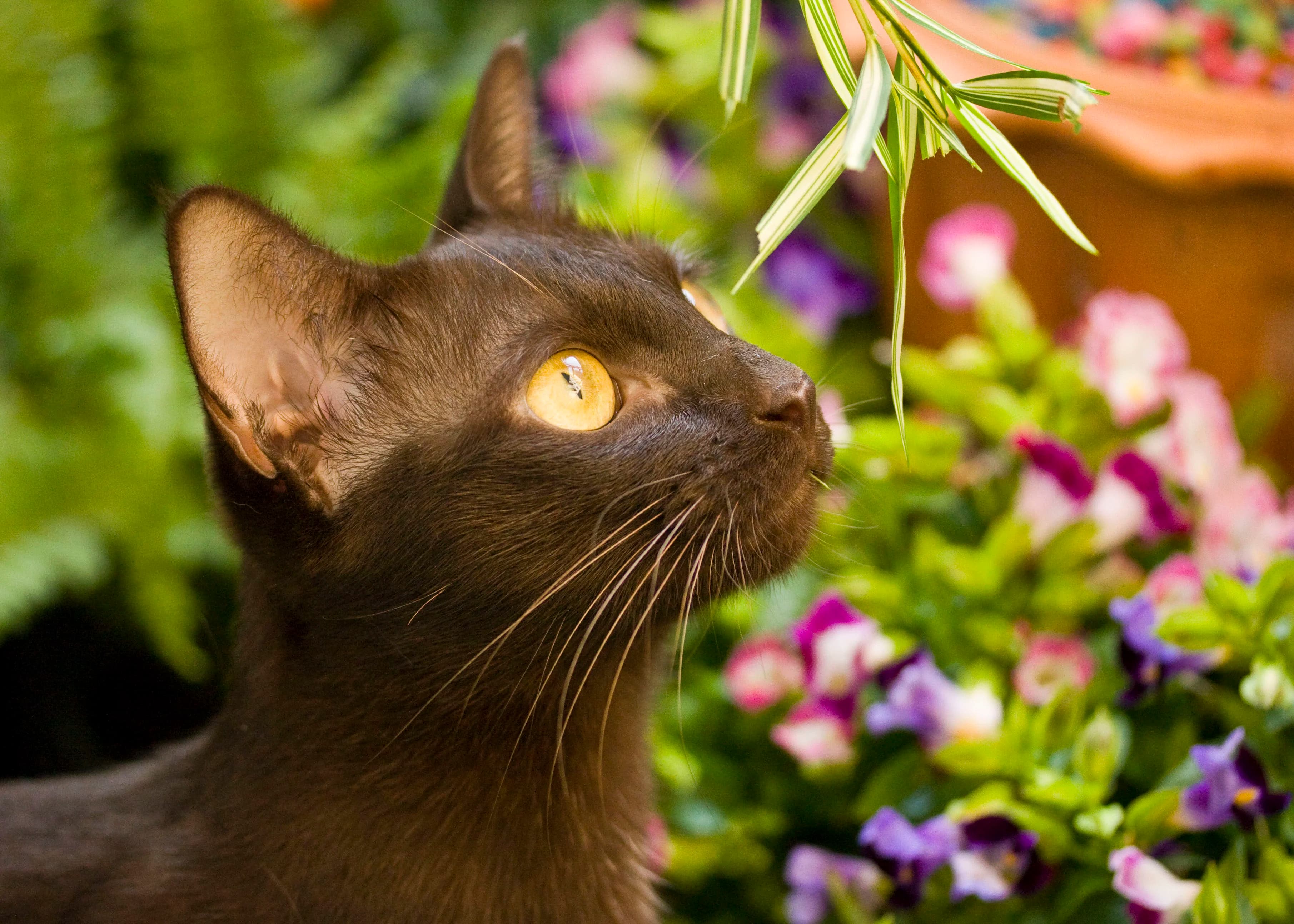 SuphalakA solid copper brown cat from Thailand, described in the same centuries old manuscripts as the Korat. Rare outside Thailand and uncommon inside it.
T
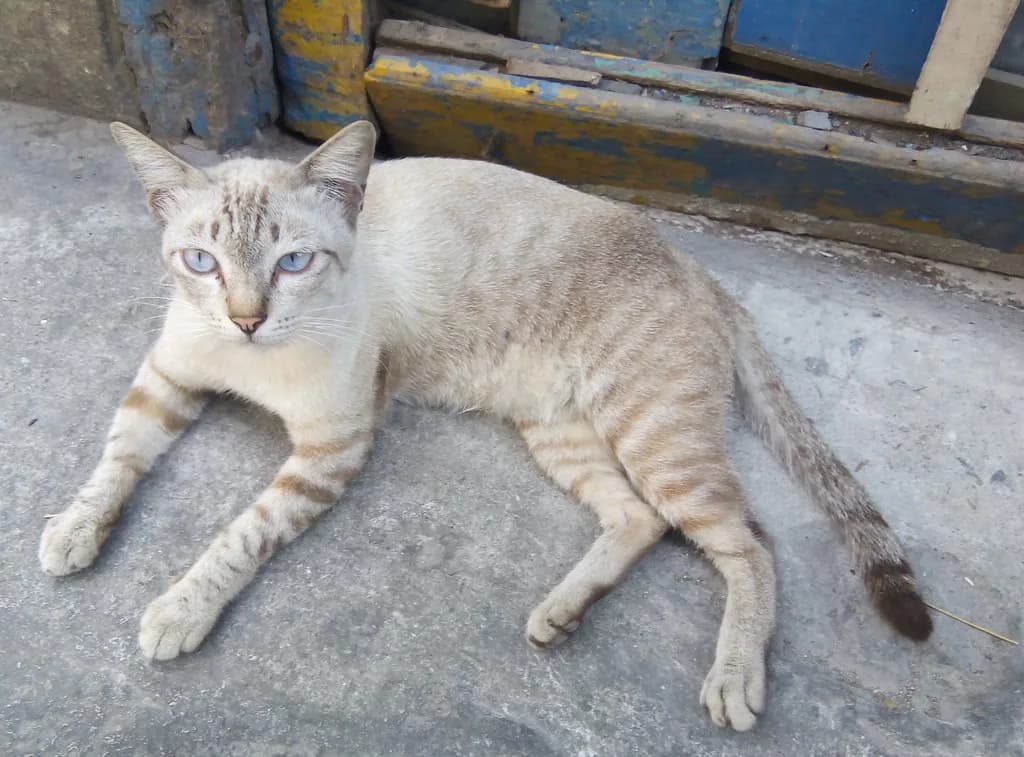 ThaiThe old style Siamese, before the breed was drawn into a narrow wedge: rounder head, sturdier body, the same points. Registered separately to keep the older type.
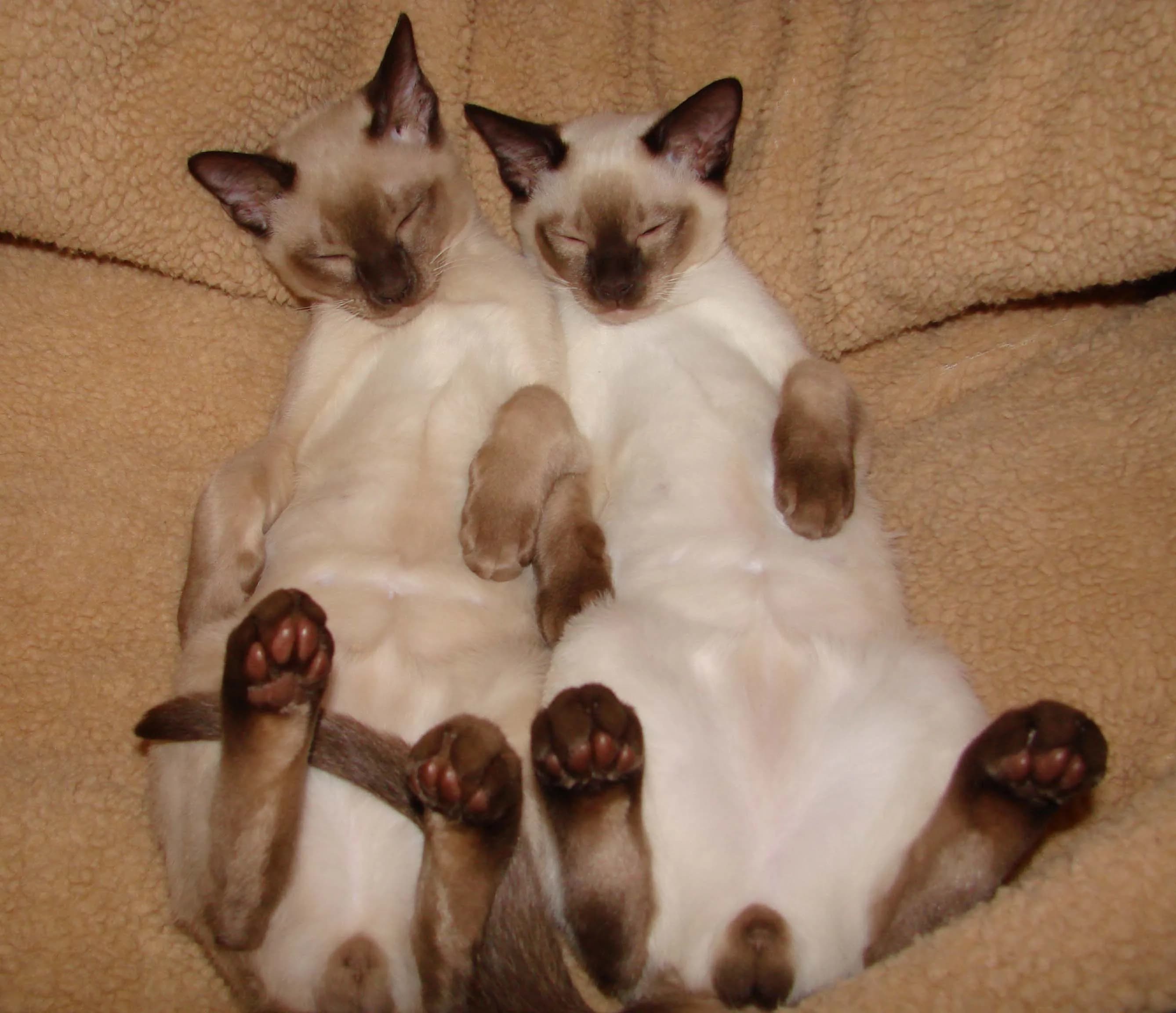 TonkineseA Siamese crossed with a Burmese, and it lands between them in every way: the coat is mink and the eyes come out aqua. Talkative, but at a lower volume.
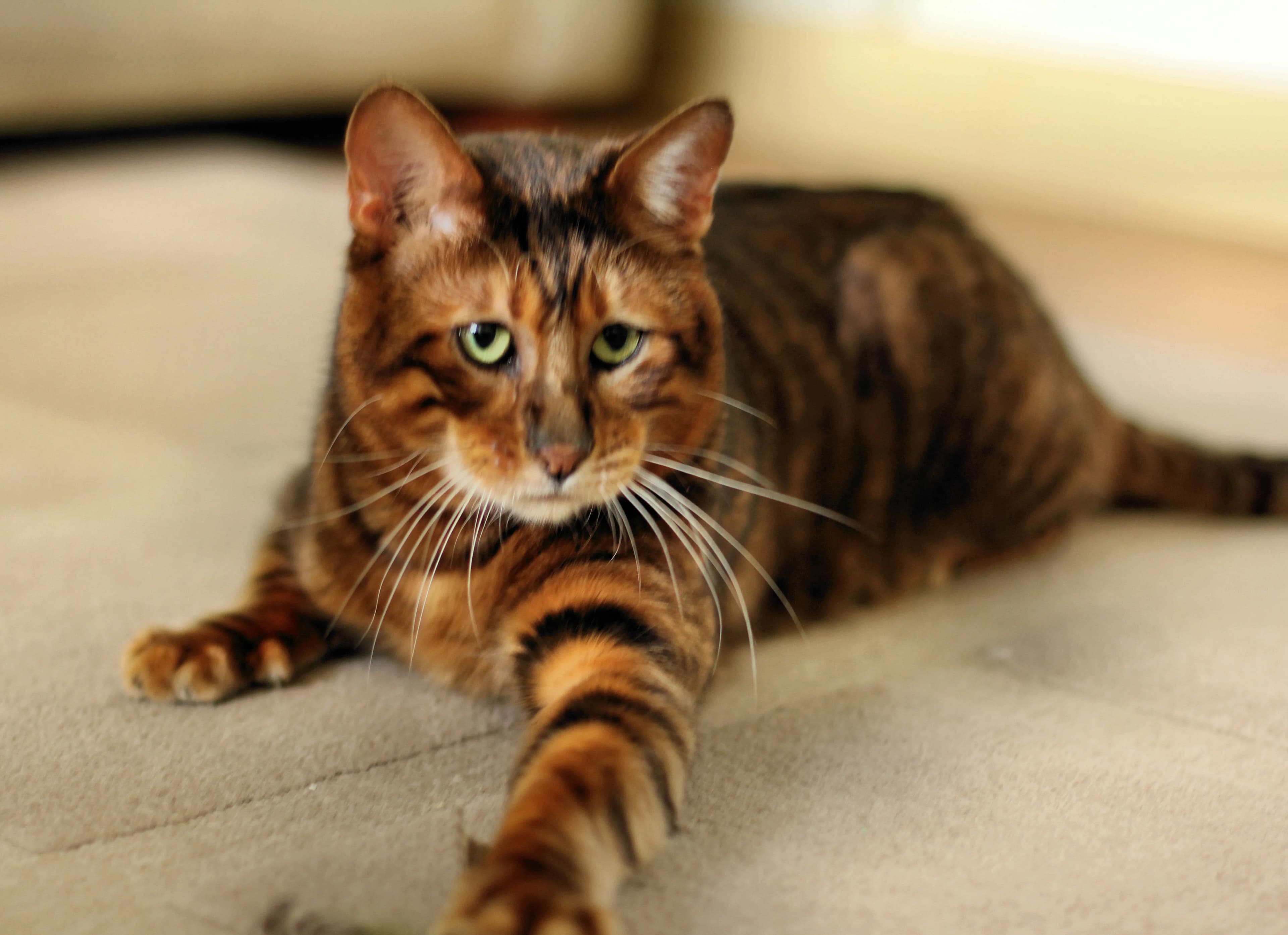 ToygerBred deliberately to look like a tiger in miniature, with vertical stripes in place of a tabby's rings. Entirely domestic, and still a work in progress.
 Turkish AngoraFrom Ankara, and preserved by a Turkish zoo programme when the breed nearly went. A single silky coat rather than a double one, and often odd eyed.
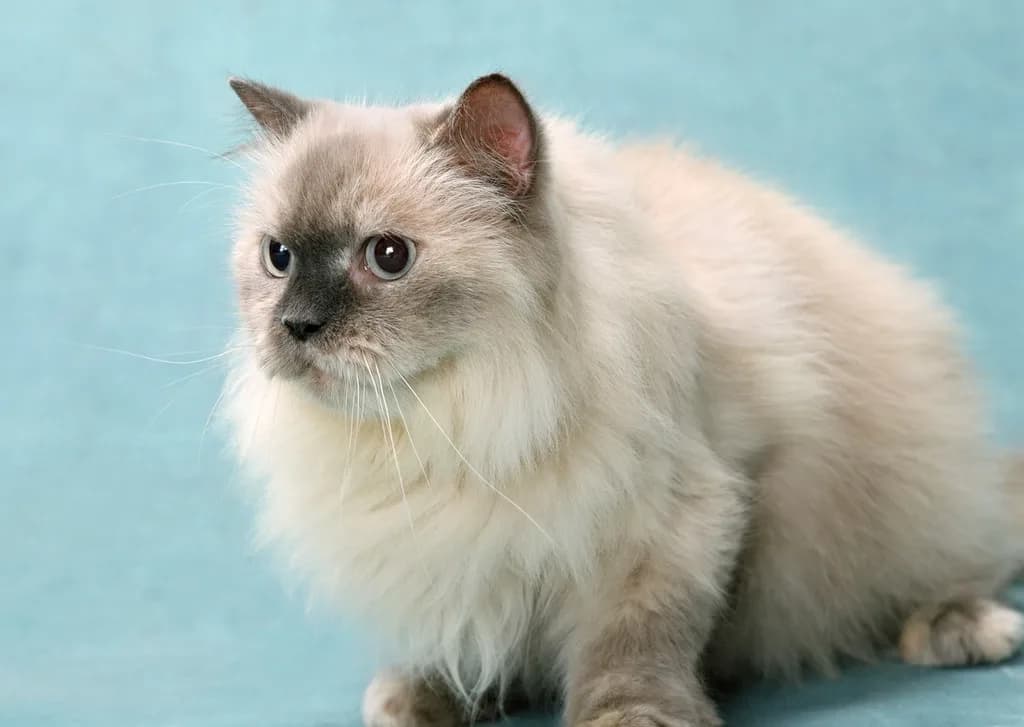 Turkish VanThe pattern is colour on the head and tail with a white body, and nowhere else. It swims, genuinely and by choice, which almost no other cat does.